Waqf Amendment Act oppressive, continuation of attacks on Muslims

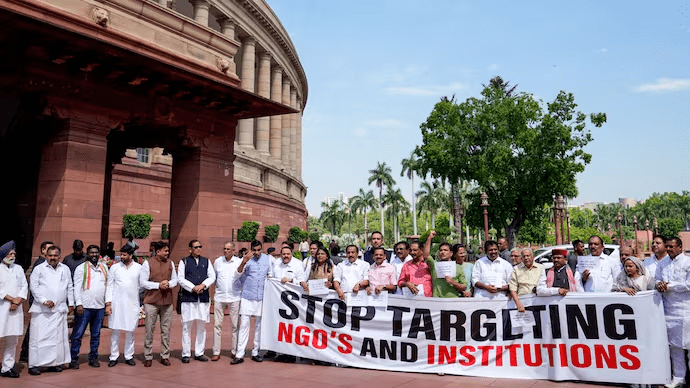
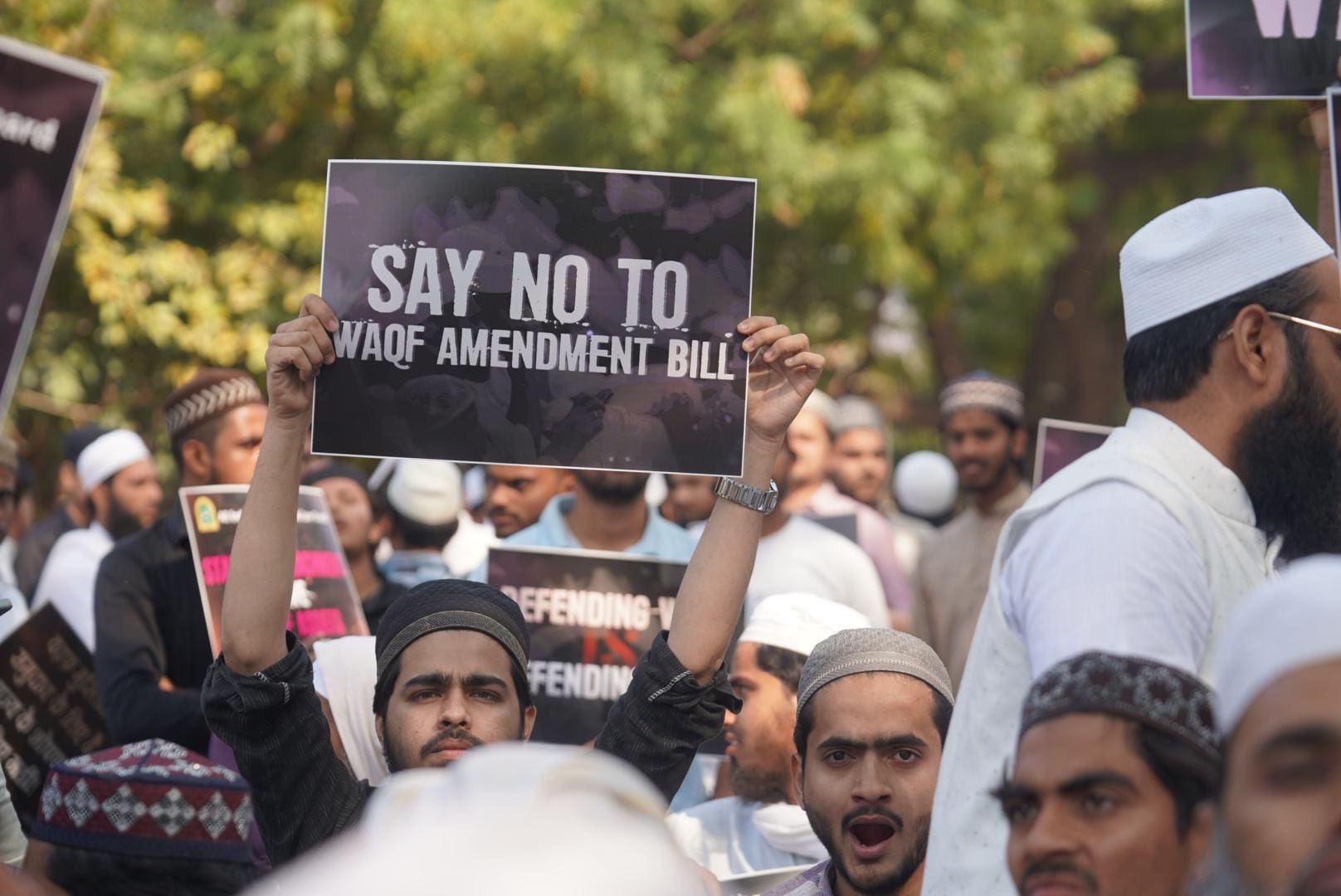
The Waqf (Amendment) Bill, 2025, was passed in both the Lok Sabha and the Rajya Sabha. With the President’s assent, it has now become law. There is no doubt that this Act has created significant crises and challenges in our country.
The Bill sought to amend the Waqf Act, 1995, which governs the administration of Waqf properties in India. It threatens to undermine not only religious freedom and secularism but also the values of religious harmony and coexistence that we have upheld over the years. The Waqf Act granted Muslims the right to donate property for the welfare of their community, particularly its less- privileged members. The Amendment Act has sweeping reforms that increase government control over waqf properties. Efforts are underway to isolate and destabilise the Muslim community by spreading false propaganda that the Waqf Board is the largest landowner in the country and that it poses a threat to people's properties. This narrative is not new; Muslims in India have faced alienation since the formation and political rise of the Rashtriya Swayamsevak Sangh (RSS) and other Sangh Parivar organisations. These movements arose in response to the lower sections of society, under the leadership of Dr. B.R. Ambedkar, questioning the varnasrama dharma and the caste system.
As Hindutva ideology evolved, religious minorities, including Muslims and Christians, along with secular ideologies like communism, were labeled as enemies or outsiders. This hostility intensified in the years following Partition and later manifested in genocidal trends during the Gujarat riots. Anti-Muslim sentiments have been evident in various political actions since then, such as the demolition of the Babri Masjid and the construction of a Hindu temple on its site, the enactment of the Citizenship Amendment Act, the ban on triple talaq and the hijab, and discussions surrounding the Uniform Civil Code. The Waqf Amendment Act is a continuation of that.
If the Sangh Parivar aims to isolate Muslim religious communities, it should not assume that the democratic society of this country, which has a history of fighting against colonial powers, will remain passive. The struggle must continue until this oppressive law is repealed. It is the responsibility of all who wish to see democracy thrive in this country.
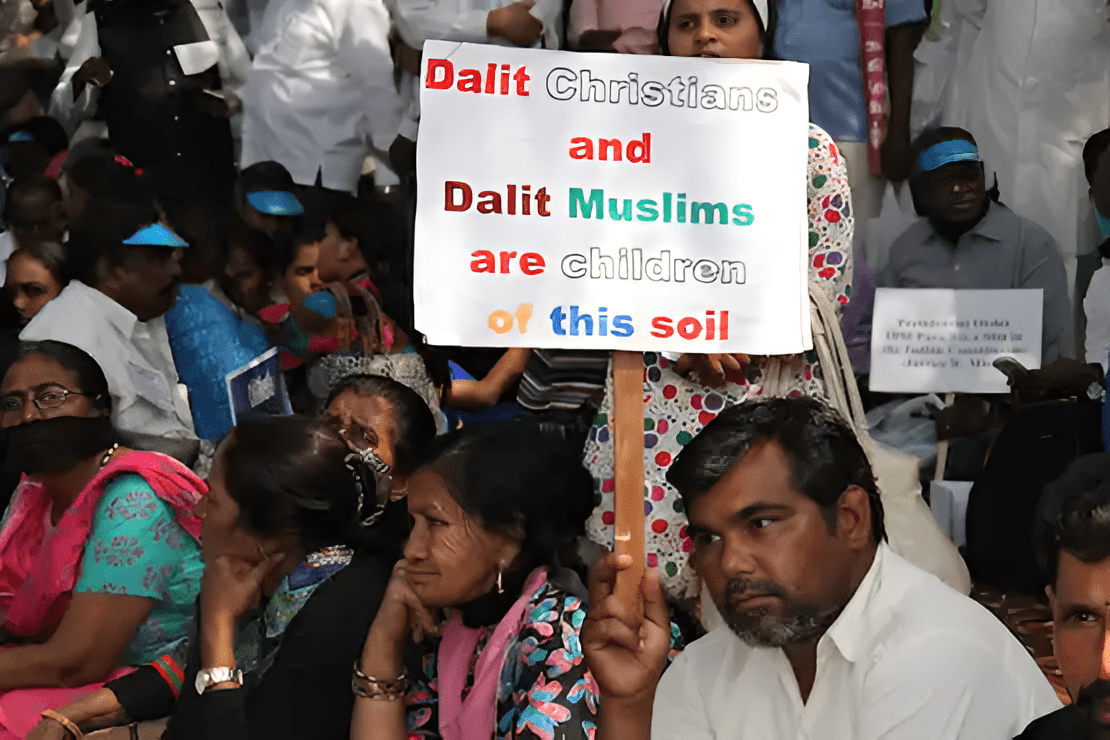
The leadership of a segment of the Christian community has taken positions that are often misunderstood. The Catholic Church in Kerala has historically demonstrated deep social awareness and commitment. However, some in its current leadership express divisive views. It is unclear whether this is due to a lack of understanding of the Sangh Parivar's strategy of dividing and pitting communities against each other for political gain orfrom wilful ignorance, leading them to adopt misguided positions.
Should we understand the Sangh Parivar’s politics in India through the lens of the Munambam land issue? The Munambam issue is something we must address collectively. This land has historically fostered democratic consciousness and political maturity. We must also recognize the “political Munnas” (credit to Dr. John Brittas, M.P.) who seek to exploit this situation for political gain. I believe the Catholic Church will demonstrate the necessary political wisdom.
We must resist the Sangh Parivar's logic, which asserts that it can maintain India as a dominant culture while suppressing minorities and progressive forces at any cost. We need to unite in support of all democratic movements advocating for the withdrawal of the Waqf Amendment Act.
Rev. Dr. Y.T. Vinayaraj is a writer, theologian, and Christian leader based in Bangalore.