The allure of war rhetoric across the aisle

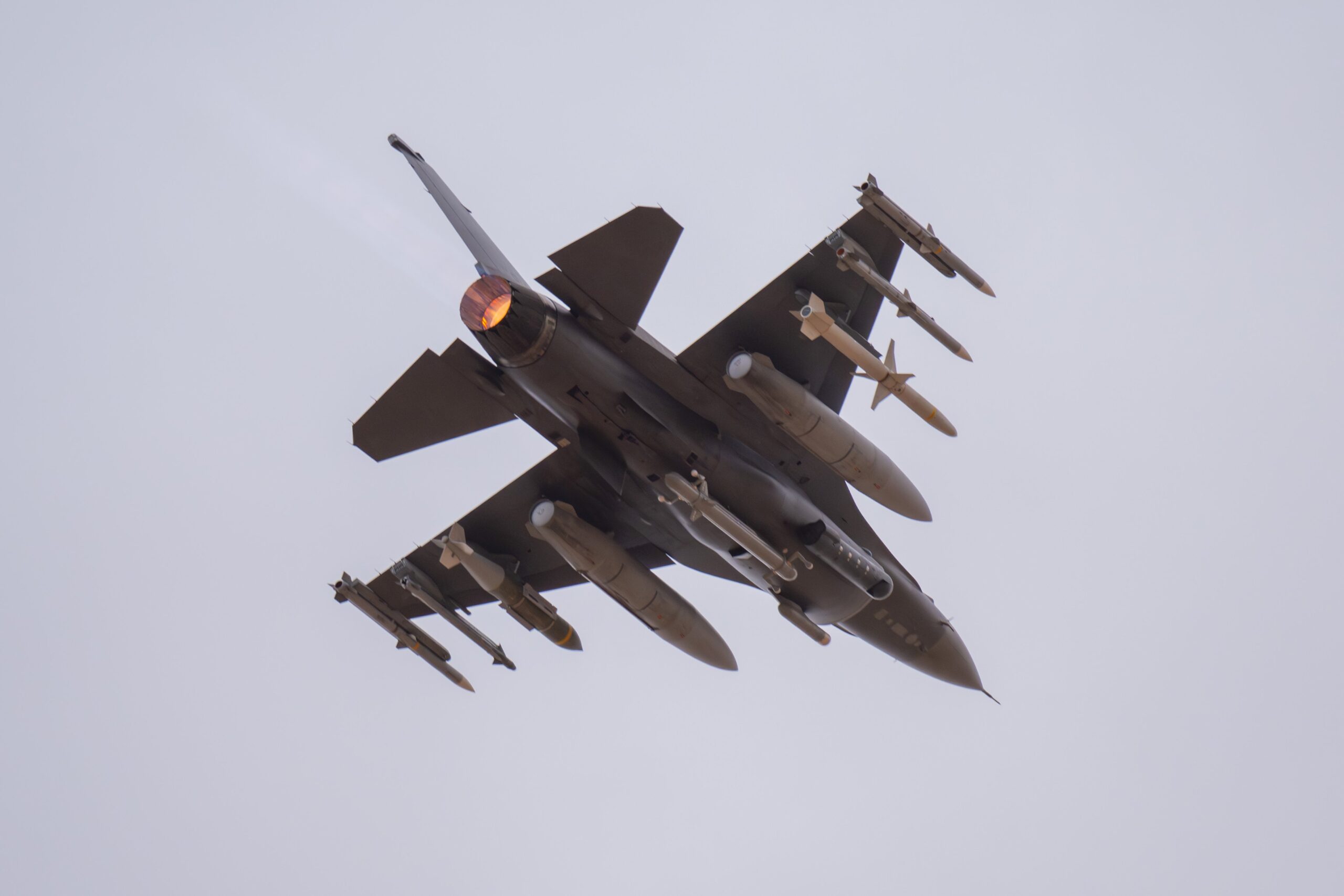
The surgical strikes in 2016 and the Balakot airstrikes in 2019 caused a shift in the paradigm, and they made way for a new precedent. India needed to be perceived as an assertive force, and its official policy of escalatory military action reflected that. Any threat that was perceived would be met with a maximal response. A sentiment that can be encapsulated in a commonly repeated phrase, “ghar mai guss kar marenge”.
So what followed the Pahalgam attack on 22nd April was not a surprise. A deadly act of terror that claimed the lives of 26 unarmed people was met with a series of strong measures from India, including the suspension of the Indus River water treaty, among several others. But this wasn't the end, it couldn't be. After all, a new precedent has been established.
Hate and Islamophobia were given a free rein in the immediate aftermath. The right-wing regime and its followers share a symbiotic dynamic that feeds off each other. The followers are drawn in by an aggressive display of power and expect their leaders to remain unwavering and obstinate. The leaders, knowing they must meet these expectations to maintain loyalty, oblige.
We knew what to expect, watching a cultivated legion of followers frothing at the mouth at the prospect of war, we knew military retaliation was inevitable; it was never a question of if but when.
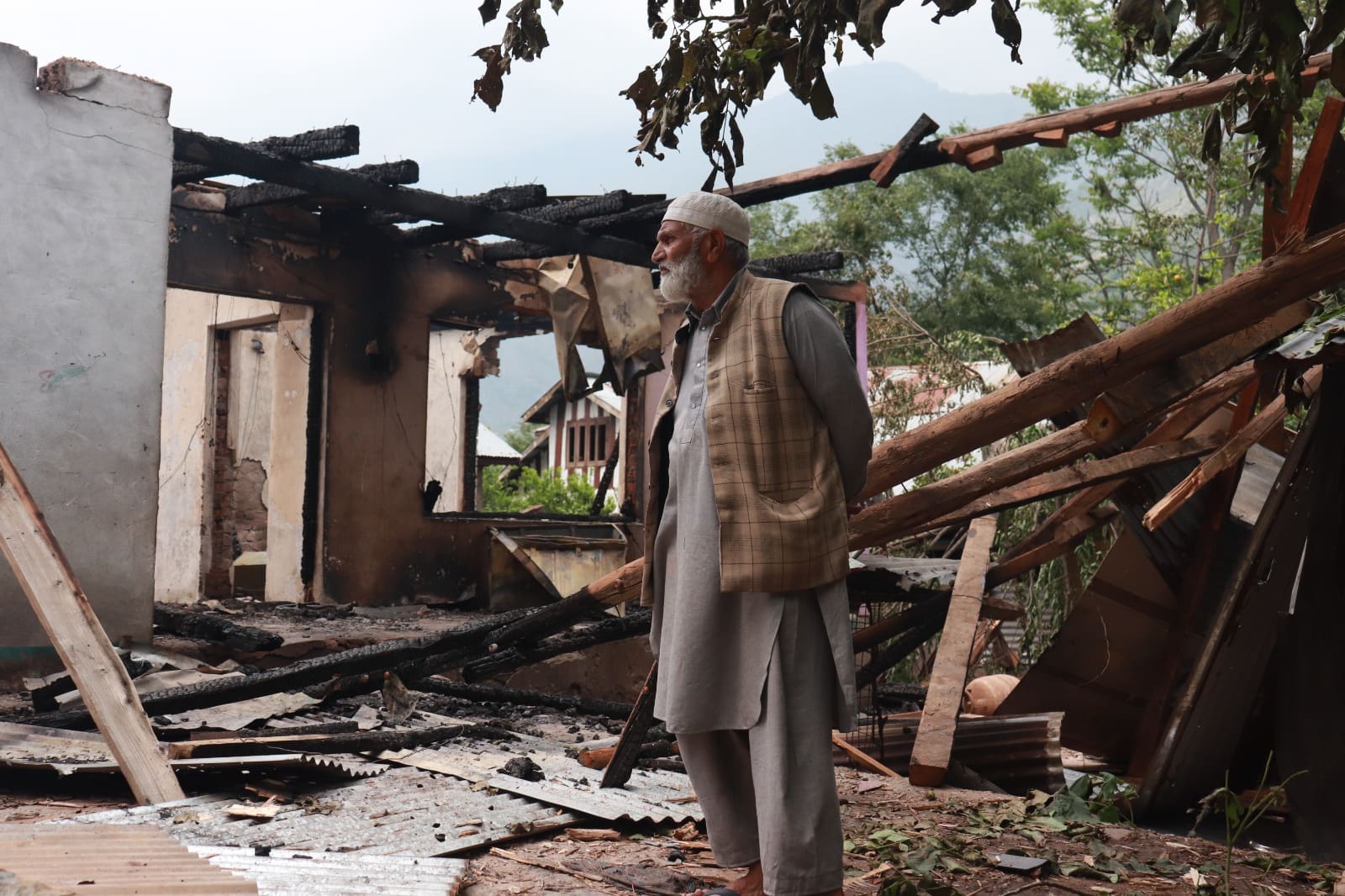
Amidst a recognised precedent, a mounting threat, and widespread support, Operation Sindoor was launched on May 7. A projection of power turned Poonch into the land that bore the brunt of vengeance, and away from the battlefields, Indian Muslims continued to bear the brunt of retributive hate crimes and hate speech. Any call for diplomatic resolution or a call for peace was also met with hate. At a time of uncertainty, a pacifist stance seemed to be the most unpopular one. A war widow’s plea for peace is met with vicious hate, and the participants of an anti-war rally are blocked.
In the wake of nationalism evoked by a terrorist attack, an aggressive display of braggadocio and machismo is always far more palatable than a call for justice. The current dispensation’s obsession with the perception of power and belligerent Hindu masculinity directly fuels the right-wing response to any tragedy, anger. Anger seems to be the only valid and seemingly rational response to a tragedy, and this anger sometimes takes the form of lynching, hate speech, and occasionally a war-mongering tweet that calls for the annihilation of an entire nation in the name of nationalism and love for the borders that one incidentally occupies.
But they weren’t the only ones calling for escalation
Parties and people from the other side of the spectrum, from the Centre-left or Left, too, saw war as an inevitable option. War seems to be the perfect moment to flex one's nationalistic and patriotic muscles. People who place themselves on the left of the political spectrum are used to the constant hate and ridicule for their opinions. Allegations of being anti-national are constantly levied against them, and their patriotism is put to the test time and again.
Unwavering and uncritical support for the armed forces during active conflict, therefore, becomes a potent opportunity, a ready-made trump card to brandish against their critics. In trying times, disdain for jingoism and nationalism is suspended. So they stuck to showcasing their newfound military expertise, because not cheering for your own country would be a missed opportunity.
The times we inhabit always seem unique, yet they always bear a resemblance to the past. In 2003, a large section of democrats, now dubbed as liberal hawks, supported the invasion of Iraq. The psyche for supporting the invasion of a country post 9/11 was to disprove accusations of being weak. As Frank Foer, a journalist and a writer at the New Republic at the time, explains, “There’s like a playground dynamic where the liberals then kind of want to prove that that’s not the case. You say I’m weak-kneed? Well, hell, I’m willing to kind of parachute into the desert and invade this country.” A similar parallel can be drawn in this situation as well. The urge to prove everyone wrong can be deeply seductive, and during moments of escalated conflict, it's easy to justify one’s own nationalistic fervor in the language of righteousness.
The rhetoric around war doesn’t just appear, it is created, cultivated, and reinforced. From it, a discourse emerges, one so powerful that it captures the imagination of people across the spectrum, turning the grim realities of war into a kind of spectator sport. A spectator sport where one side is virtuous and principled, and the other is innately immoral and rogue. The violence is never incited by one’s side, and any response, no matter how violent, is a necessary, proportionate response.
When the spectre of war looms large, the human cost of war is preordained. Human lives are treated with the detachment of a scientist dissecting a frog; how else could we explain why the lives of people are called “collateral damage”? Once the fog of war thickens and becomes a part of the ether, there’s no time to mourn for the losses other than a perfunctory message of condolence, no time to critique the security and intelligence failure that led to the terror attack, or the whereabouts of the terroists who committed the acts of terror.
Pacifism stands in direct opposition to the dominant perceptions of power and strength. It is neither theatrical nor glamorous. It’s an empathetic discussion of war tactics and strategies, and it does not indulge in comparisons of artillery or battlefield manoeuvring in a way that war feels like a videogame. It is dismissed as weak, naive, and noble philosophy, one that cannot be discussed during an active conflict.
Logically, if common sense were to prevail, pacifism would be seen as pragmatic. Beyond the abject horror and human cost of war, the economic consequences are staggering. War is not only a moral failure—it is a financial catastrophe. According to Vision of Humanity, in conflict-affected countries such as Syria, South Sudan, and Afghanistan, the economic cost of violence averages around 41% of their gross domestic product (GDP). But critical thinking, common sense rarely prevail in the face of nationalistic fervour.
As the conflict progressed and we watched with unease, a ceasefire was finally announced, ironically, by a third country. Meanwhile, far from the battlefield, an audience frustrated by the premature end channelled their vitriol against Vikram Misri’s daughter, as if peace itself was a supreme betrayal.
Currently, an 11-day Tiranga Yatra has just concluded, people and politicians alike have taken to the streets to celebrate the supposed success of Operation Sindoor, and have swiftly and promptly forgotten all the lives lost, if they ever paused to remember them in the first place.
When the public discourse is so entrenched in the glorification of war, it's hard to imagine a future when empathy doesn’t arrive late, where it won’t be a retrospective emotion felt only when the dust has settled. Will the call for peace ever be seen for what it truly is: the braver choice?
Amrutha Jaisanker is a communication designer based in Mumbai. Her work explores layered narratives surrounding culture and politics through both visual storytelling and written expression.