The Dharmasthala mass burial: When sacred ground hides unspeakable horrors

In an unprecedented move that breaks decades of political tradition in Karnataka, Chief Minister Siddaramaiah has constituted a Special Investigation Team to probe allegations of mass murders and burials in Dharmasthala—the first time any CM has dared challenge one of the state's most powerful religious dynasties.
Siddaramaiah's strategic SIT formation amid political crossfire
In a move that underscores his reputation for rational decision-making and unwavering stance against RSS ideology in Karnataka, Chief Minister Siddaramaiah constituted the Special Investigation Team under the leadership of Pranav Mohanty, DGP Internal Security Division, an IPS officer widely respected for his integrity and investigative acumen. The SIT also includes M N Anucheth, DIG Police Recruitment, Soumyalatha, DCP City Armed Reserve, and Jitendra Kumar Dayama, SP Internal Security Division—all senior officers specifically demanded by activists and protesters who had lobbied for their inclusion based on their track records of impartial investigations. This strategic appointment has irked the opposition BJP, which has accused Siddaramaiah of deliberately siding with protesters and exploiting the sensitive case to defame the prestigious temple town and the influential Heggade family for political gain. The BJP's allegations reflect their discomfort with Siddaramaiah's characteristically bold approach to taking on powerful establishments, a trait that has defined his political career and his consistent anti-RSS positioning in Karnataka politics, making him the first Chief Minister in the state's history willing to challenge such an untouchable religious and political dynasty despite potential electoral consequences.
For over a hundred years, Dharmasthala has stood as one of South India's most revered pilgrimage sites, where nearly 5,000 devotees daily seek blessings at the ancient Manjunatha temple. Yet beneath this veneer of spiritual sanctity lies what could be one of India's most horrific mass crime cover-ups—a nightmare that a tormented man could no longer bear in silence.
A 48-year-old Dalit sanitation worker emerged from twelve years of hiding on July 3, 2025, his voice trembling as he told police he was coming forward with "an extremely heavy heart and to recover from an insurmountable sense of guilt." The man, whose identity remains protected under witness protection laws, carried with him secrets that would shake the nation: allegations that he was forced to bury hundreds of bodies of rape and murder victims between 1995 and 2014, acting under death threats from influential figures connected to the temple administration.
The courage to break decades of political immunity
What makes this case truly historic is not just its staggering scale, but Chief Minister Siddaramaiah's unprecedented decision to form a Special Investigation Team against the untouchable Heggade dynasty. After months of public pressure and rising outrage, Karnataka constituted the SIT on July 19, 2025—marking the first time in the state's history that any Chief Minister has dared to challenge this powerful family despite decades of complaints and allegations.
The Hegde family's political invulnerability has been legendary, spanning generations and party lines. Veerendra Heggade, the 21st Dharmadhikari who assumed control at just 19 years old in 1968, has cultivated influence across the political spectrum. A recipient of the Padma Vibhushan—India's second-highest civilian award—and a BJP-nominated Rajya Sabha member since 2022, his blessings have been sought by leaders from Congress, BJP, and regional parties alike. The family controls over 400 acres of land and virtually all major businesses within a 3-kilometer radius, creating an economic and political fortress that previous Chief Ministers dared not breach.
A man haunted by guilt breaks his silence
The whistleblower's journey to this moment began in 1995 when he joined the Dharmasthala temple as a sanitation worker. Supreme Court Advocate KV Dhananjay, who represents the man alongside advocates Ojaswi Gowda and Sachin Deshpande, describes a worker who became increasingly tormented by what he witnessed. "I can no longer bear the burden of memories of the murders I witnessed, the continuous death threats to bury the corpses I received, and the pain of beatings that if I did not bury those corpses, I would be buried alongside them," the man stated in his complaint, reviewed by international media.
According to Dhananjay's revelations, the worker initially believed some bodies were suicides pulled from the Nethravathi River. But around 1998, his supervisors began instructing him to secretly dispose of bodies instead of reporting them to police. "Early in my career, I noticed the bodies being dumped… Many of the female bodies were found without clothing or underwear. Some bore clear signs of sexual assault and violence: the bodies bore wounds or strangulation that indicated violence," he testified.
The breaking point came in December 2014 when a minor girl from his own family was allegedly sexually assaulted by someone connected to his supervisors. Realizing his family needed "to escape from there immediately," he fled Dharmasthala with his relatives, informing no one of his whereabouts. For over a decade, they lived in hiding in a neighboring state, constantly changing residences, while he remained "living under the burden of guilt that does not subside."
Advocates Dheeraj SJ and Ananya Gowda, part of his legal team, explained that the man finally came forward because he was "motivated by a fear of God and a deep sense of moral obligation." They revealed that he approached lawyers to confess, seek direction, and "bring closure to a very brutal historic wrong." The man has stated he is willing to submit to polygraph tests and other examinations to establish the truthfulness of his allegations.
The Soujanya tragedy that exposed a pattern of cover-ups
The whistleblower's revelations have cast new light on previous cases, particularly the 2012 rape and murder of 17-year-old Sowjanya that became a watershed moment for the region. On October 9, 2012, Sowjanya, a second-year Pre-University student at Sri Dharmasthala Manjunatheshwara College, went missing while returning home. Her body was discovered the next day near the Nethravathi River, hands bound to a tree with her shawl, bearing signs of brutal sexual assault.
The subsequent investigation became a textbook case of deliberate sabotage. Santhosh Rao, a mentally challenged man, was arrested and spent years in prison before being acquitted by a CBI court on June 16, 2023, with the judge noting the investigation was fundamentally flawed. Throughout the proceedings, Sowjanya's family maintained that Santhosh had been wrongfully implicated to shield the real perpetrators.
The investigation's failures were systematic and shocking. Circle Inspector Bhaskar Rai, who admitted in court to failing to collect crucial CCTV footage and expert reports, was subsequently promoted to Deputy Superintendent of Police. Sub-Inspector Yogesh Kumar Naik, the investigating officer, testified that CCTV footage from a critical location—near a clinic run by the Dharmasthala temple management—was never collected. The family and protesters had raised suspicions against Malik Jain, Dheeraj Jain, and Nischal Jain (nephew of Veerendra Heggade), but these individuals were quickly released after cursory questioning.
Ananya Bhat's mother's twenty-two-year vigil for justice
The case of Ananya Bhat represents the human cost of this alleged cover-up spanning decades. In 2003, Ananya, a young medical student from Manipal, vanished during a college trip to Dharmasthala. Her mother, Sujatha Bhat, was working as a stenographer with the CBI in Kolkata when her daughter's friend called to report that Ananya had gone missing.
Sujatha's search for her daughter became a nightmare of intimidation and violence. When she arrived in Dharmasthala, locals told her they had seen temple staff taking away a young woman matching Ananya's description three days earlier. But when she confronted the temple authorities seeking answers, she was threatened, assaulted, and beaten into a coma. "I don't know how I got there or who brought me from Dharmasthala," she later recounted. "My bag, identity card, bank passbook, and vanity bag were all missing. I have a wound on my head requiring eight stitches from the severe blow."
For twenty-two years, Sujatha lived in fear and silence, discouraged from pursuing the case further. But the whistleblower's recent revelations rekindled hope that she might finally learn her daughter's fate. In July 2025, she filed a fresh complaint with the police, requesting them to find her daughter's skeletal remains so she could perform the final rites according to Hindu traditions. "We are from the traditional Hindu Brahmin community, and performing funeral rites for the deceased is a very important duty in life. If this is avoided, I, as a mother, cannot find redemption," she wrote in her complaint.
The Heggade dynasty's web of untouchable power
The Heggade family's immunity from scrutiny stems from generations of careful political cultivation across party lines. Veerendra Heggade has received India's highest honors, including the Padma Bhushan in 2000 for social work and the Padma Vibhushan in 2015. His Karnataka Ratna award in 2009 and nomination to the Rajya Sabha in 2022 cement his position in the political establishment. The family's influence extends through a vast network of educational institutions, hospitals, and charitable organizations that make them indispensable to the region's economy and social fabric.
Politicians from across the spectrum regularly visit Dharmasthala seeking blessings, creating a web of mutual dependence that has historically protected the family from serious scrutiny. Even when protests erupted over Sowjanya's death in 2012, the political establishment remained largely silent, with many fearing electoral consequences for challenging such a revered religious figure.
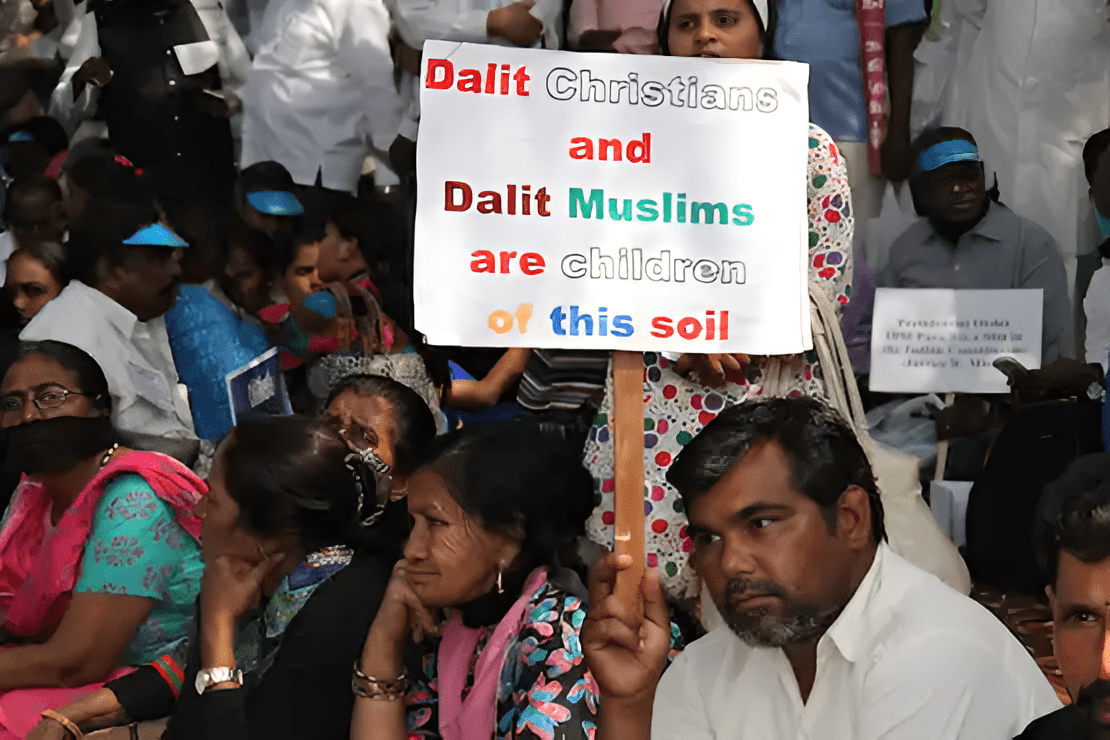
The protests against Heggade have evolved over the decades, beginning with Communist parties and Left groups in 2012 but gradually encompassing broader civil society as more cases emerged. However, victims and their families have long feared filing complaints, knowing the consequences that could follow from challenging such a powerful dynasty.
The statistical horror behind the allegations
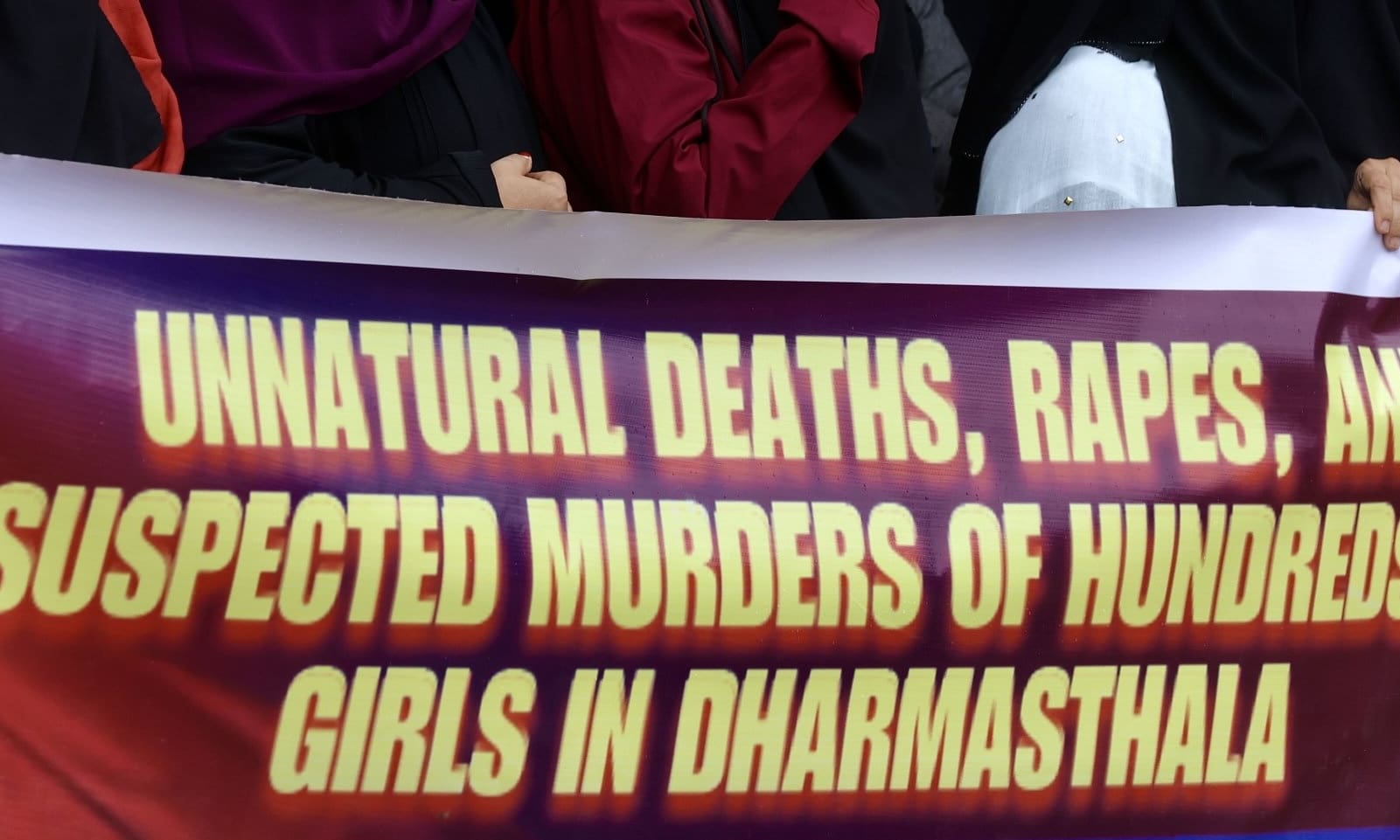
Supreme Court Advocate KV Dhananjay has described the alleged crimes as "unprecedented in the past 100 years of Indian judicial history." The numbers behind these allegations paint a chilling picture: reports highlight around 462 unnatural deaths in Dharmasthala over just ten years (up to 2013), prompting the CPM's parliamentary party leader to demand the issue be raised in Parliament.
Residents claim that approximately 400 women from Dharmasthala and nearby regions have either gone missing, been found dead, or vanished without explanation over the past two decades. Most cases were never formally investigated or were quickly closed. The Karnataka State Women's Commission has now demanded comprehensive data covering the past 20 years, asking pointed questions about how many women and students have gone missing, how many have been found, and what actions were taken in cases of unnatural death, murder, and rape.
The pattern of violence appears to stretch back to the 1980s, with sporadic but persistent protests marking decades of alleged cover-ups. In 1987, marches were organized to protest the rape and murder of 17-year-old Padmalata, but the demonstrations were reportedly quashed through intimidation and legal pressure. The cycle repeated in 2012 with the "Justice for Sowjanya" movement, and now again in 2025 with the mass burial allegations.
Legal warfare and the battle for evidence
The investigation faces formidable obstacles beyond political pressure. Karnataka High Court has already directed 332 parties to remove links to allegedly defamatory content about the case, while a court-granted injunction has suppressed over 8,000 items of media coverage at the request of temple leadership's relatives.
Advocate KV Dhananjay has raised serious concerns about the initial investigation's competence, questioning the qualifications of the 29-year-old Sub-Inspector initially assigned to lead what he calls a case of unprecedented scale and sensitivity. "How many similar cases involving rape, murder, and exhumation has this officer solved?" Dhananjay demanded in a press release, calling for transparency about the investigating officer's experience with such complex cases.
The legal team has also expressed concern about potential evidence tampering, with advocates Dheeraj SJ and Ananya Gowda alleging "shocking delays" in the police investigation and questioning why no mahazar (spot inspection) was conducted at locations where the whistleblower claimed to have exhumed evidence. They noted that after the man voluntarily handed over human remains on July 11 during his court statement, he had "every reason to believe that the very next day, the police would return with him to the site for mahazar and documentation."
Adding to concerns about the investigation's integrity, the whistleblower's confidential statement somehow appeared on a YouTube channel of an individual unrelated to the case, with the creator claiming to have received the information from police sources. This breach of witness protection protocols has prompted the legal team to consider approaching higher courts.
The Kerala connection and expanding investigation
Advocate KV Dhananjay has raised the possibility that victims may include people from neighboring Kerala, noting that many students and devotees from Kerala regularly visit Dharmasthala. He has urged the Kerala Legislative Assembly to pass a resolution demanding an investigation "to the highest standards of honesty, integrity and competence" and requesting Kerala police involvement in the probe. His demand, he says, is "for reasons that could become evident soon but which might already be known to the Kerala government."
This concern gained credence when Aneesh, a Kerala resident, approached Thaliparamba police claiming his father KJ Joy died in a "stage-managed" road accident in 2018 at the behest of an influential person in Dharmasthala. Aneesh alleged he was forced to return to Kerala after receiving death threats when he tried to file a complaint in Dharmasthala about his father's suspicious death.
The whistleblower's detailed confession and evidence
The man's testimony, submitted with copies of his Aadhaar card, voter ID from Dharmasthala-Belthangady, and an ID card issued by the temple administration, contains disturbing specifics. He described burying a schoolgirl aged 12-15 who was stripped and strangled near a petrol bunk in 2010, and a 20-year-old woman whose face was burned with acid before her body was wrapped in newspaper and torched with diesel. Many victims were buried along the banks of the Netravathi River, deliberately chosen for rapid decomposition.
To substantiate his claims, the man recently visited a burial site and exhumed a skeleton, submitting both the remains and photographs of the exhumation to police and the court through his lawyers. He has expressed willingness to lead authorities to additional burial sites if protected under the Witness Protection Act of 2018. "I am filing this complaint with full knowledge of the consequences of submitting false information," he stated. "I certify that the above information is true to the best of my knowledge and belief."
Political resistance and the battle for truth
The SIT's formation has triggered fierce political debate, with the BJP welcoming the probe while simultaneously suggesting it could be a "ploy" to tarnish Dharmasthala's image and hurt Hindu sentiments. This dual response illustrates the delicate political balance surrounding the case, where even the investigating party must tread carefully around religious sensitivities.
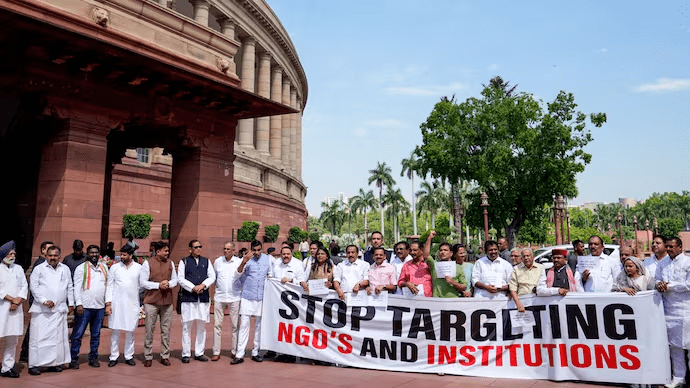
Actor Prakash Raj has urged CM Siddaramaiah to take urgent action to ensure evidence isn't destroyed and to take severe action against officials who may have misled the investigation. CPI's Rajya Sabha MP Sandosh Kumar has written to Union Home Minister Amit Shah demanding an NIA investigation, citing what he describes as "a long-standing, systemic pattern of crimes" that local police cannot be trusted to investigate fairly.
International implications and historical context
If proven, these allegations would rank among the gravest mass crimes in recent global history, potentially comparable to the Ciudad Juárez femicides in Mexico during the 1990s, where approximately 500 young women were raped and murdered by suspected drug cartels. Senior lawyer S Balan told international media that the killings and disappearances in Dharmasthala date back to 1979, declaring: "The souls of young girls are crying for justice; hundreds of girls who disappeared were abducted, were raped, and were killed. India has never seen this gravity of offence in its republic after independence."
The case represents more than a criminal investigation—it's a test of India's democratic institutions' ability to hold powerful religious and political dynasties accountable. The success or failure of this SIT investigation will determine whether justice can finally reach the most marginalized victims or whether power and influence will once again triumph over truth.
The weight of silence finally broken
Today, the whistleblower lives under protection, his identity concealed behind court orders, but his conscience is finally unburdened. According to those close to the case, the actual number of victims matters less than ensuring justice for even one life lost. As one person associated with the case told international media, requesting anonymity: "Even if it was just two or three women, and not hundreds, their lives matter."
The man's statement to authorities captures the moral weight of his decision: "However, I am still living under the burden of guilt that does not subside. But my conscience no longer allows me to continue this silence." His courage to break decades of enforced silence may finally illuminate the dark secrets buried beneath Dharmasthala's sacred soil.
The SIT now faces the monumental task of uncovering the truth that has been buried literally and figuratively for decades. If the investigation proceeds with integrity and independence, it could mark a historic moment when India's justice system finally holds one of its most powerful religious dynasties accountable. The souls of countless victims, their families, and the nation itself await justice that has been denied for far too long.
As the investigation unfolds, the eyes of the world watch to see whether sacred ground will finally yield its buried secrets, or whether power will once again prove stronger than truth.