Unravelling Bihar 2025: Alliances, ambitions, fight for power

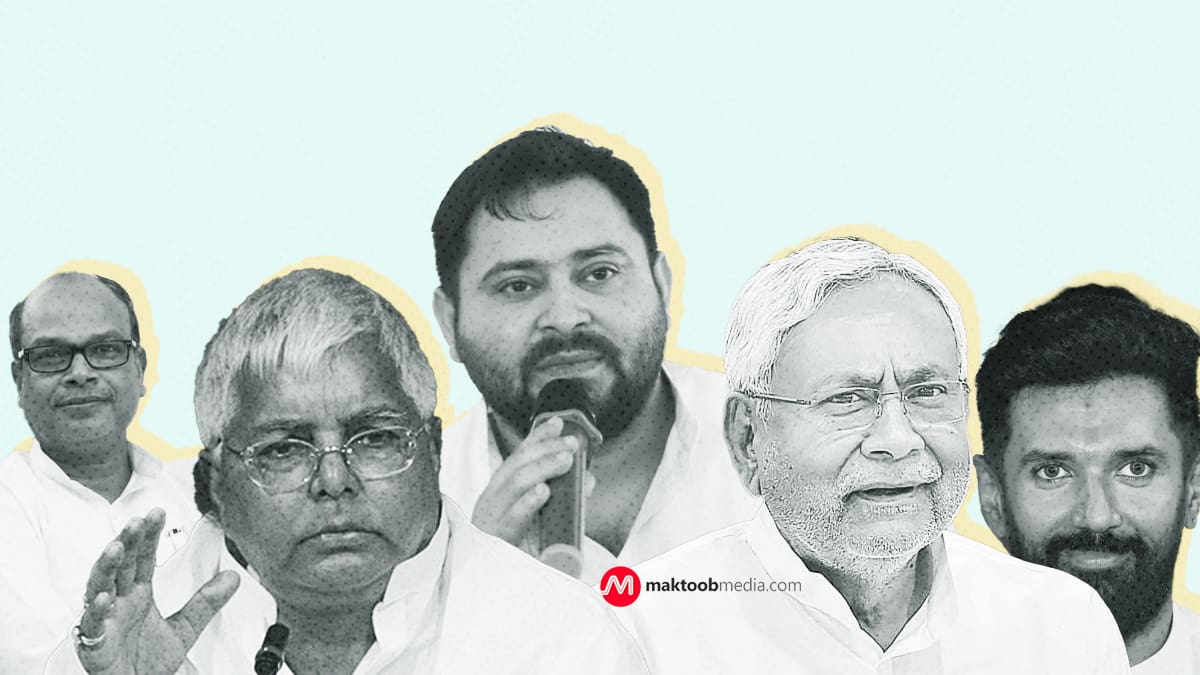
As the countdown to the Bihar Assembly elections has begun, the political atmosphere in this bustling state, home to over 120 million people, intensifies. These elections, which will see all 243 seats in the Vidhan Sabha up for grabs, are more than just a local event; they serve as a national gauge, testing how well the opposition can unite against the Bharatiya Janata Party's (BJP) stronghold in the Hindi heartland. The National Democratic Alliance (NDA), which includes the BJP, Janata Dal (United) [JD(U)], Lok Janshakti Party (Ram Vilas), HAM(Hindustani Awaam Morcha) and a few smaller allies, currently governs under Chief Minister Nitish Kumar, who is facing challenges from anti-incumbency after a long and often inconsistent rule. On the other hand, the INDIA bloc—led by the Rashtriya Janata Dal (RJD), Congress, VIP, and Left parties—aims to tap into the frustrations of the youth, economic struggles, and shifting caste dynamics to make a comeback.
Prashant Kishor's Jan Suraaj Party is stepping into the ring as a wildcard, contesting all seats with a promise of reform in governance, which could split votes in a scenario where even the smallest margins can change the game. The 2024 Lok Sabha elections, where the NDA won 30 out of 40 seats but with much narrower leads, hint at a fiercely competitive battle ahead. Issues like unemployment, mass migration, the impact of the caste census, and welfare programs are at the forefront, with key communities such as Yadavs, Kurmis, Koeris/Kushwahas, Extremely Backward Classes (EBCs), Scheduled Castes (SCs), and Muslims playing a crucial role in shaping the outcome.
Historical and caste dynamics
Bihar's electoral journey is steeped in its historical caste politics, shifting from the dominance of upper castes to the rise of empowerment among backward castes. After India gained independence, the Congress party was largely influenced by upper-caste elites. However, the 1970s and 1980s sparked a social justice movement, leading to the 1990s implementation of the Mandal Commission, which allocated 27% of government jobs and educational opportunities to Other Backwards Classes (OBCs). This change paved the way for leaders like Lalu Prasad Yadav from the RJD and Nitish Kumar from the JD(U), who focused on land reforms and social equity. The "Luv-Kush" alliance, which brought together the Kurmis (Luv) and Koeris/Kushwahas (Kush), challenged Yadav's dominance, allowing Nitish to team up with the BJP in 2005 and end the RJD's 15-year rule. This shift aimed at development through better roads, electricity, and law enforcement.
However, Nitish's frequent changes in alliances—partnering with the Mahagathbandhan (now known as INDIA) in 2015 for a significant victory, switching back to the NDA in 2017, briefly changing sides in 2022, and then returning to the NDA in early 2024—have led to growing scepticism among voters. In the 2020 elections, amidst the turmoil of COVID-19 and the migrant crisis, the NDA secured 125 seats compared to the Mahagathbandhan's 110, highlighting the ongoing instability in Bihar's political landscape.
The 2023 Bihar Caste Census has really highlighted the changing dynamics, showing that OBCs and EBCs make up 63.14%, SCs account for 19.65%, STs are at 1.68%, and upper castes sit at 15.52%. Among these groups, Yadavs represent 14.26%, Muslims 17.70%, and EBCs a significant 36.01%. Kurmis and Koeris/Kushwahas are at 2.87% and 4.27%, respectively, while upper castes—like Brahmins (3.7%), Bhumihars (2.9%), and Rajputs (3.4%), Kayasths (0.6%) tend to lean towards the BJP.
The Luv-Kush bloc, which makes up about 7-8% of voters but is concentrated in over 70 central and southern constituencies, has been a key player for Nitish, helping the NDA secure 206 seats back in 2010. However, cracks started to show in the 2024 national elections, as candidates from the INDIA alliance began to chip away at NDA support in strongholds like Nawada and Munger. EBCs, which include groups like Nishads (10%), are quite unpredictable, often swayed by Nitish's Mahadalit initiatives. SCs, making up 19.65%, are split: about a third of Paswans support Chirag Paswan's LJP(RV), while Musahars and Ravidas are still figuring out where to land.
Women, who nearly make up half the electorate, are leaning towards the NDA, especially because of policies like the liquor ban and cash transfer of 10000 each to 75 lakh women under the Bihari job scheme, which resonate particularly with upper castes and EBCs. The 2020 Lokniti-CSDS Post Poll survey showed OBCs dominating at 59%, with Yadavs overwhelmingly supporting the RJD (83%), while Kurmis and Koeris leaned towards the NDA (60-65%), and upper castes favoured the BJP (32.2%), setting a caste landscape that could shape the 2025 elections.
Alliances and strategies
The NDA's coalition, built on a foundation of practicality, is currently juggling some internal tensions while trying to hold its ground. The JD(U), which secured 43 seats in 2020, leans heavily on Nitish's appeal to the Luv-Kush and EBC communities. They've made some recent organisational changes, promoting 36 Kurmi-Koeri leaders and 19 EBCs to maintain a balance among castes. However, with Nitish getting older and facing health rumours, plus some slip-ups, there's been chatter about who might succeed him, with his son Nishant occasionally mentioned as a possibility.
The BJP, boasting 74 seats, serves as the backbone of the alliance, leveraging the networks of the Rashtriya Swayamsevak Sangh (RSS) and pushing for urban modernisation. They've appointed Samrat Choudhary, a Kushwaha, as the state president and deputy chief minister, and have reshuffled district units to include 10 Luv-Kush leaders out of 40, aiming to connect with these voters while also protecting 18 upper-caste positions. Nominations for Rajya Sabha for Upendra Kushwaha (Koeri) and partnerships with Chirag Paswan enhance outreach to the Paswan community. Smaller allies like the Hindustani Awam Morcha (HAM) help strengthen support among Scheduled Castes. Tactical strategies include welfare programs like the Pradhan Mantri Kisan Samman Nidhi and free electricity for up to 125 units. A highlight is Modi's announcement on September 26, 2025, where he promised ₹10,000 to 7.5 million women under the Mukhyamantri Mahila Rojgar Yojana, amounting to a whopping ₹7,500 crore, aimed at encouraging women's voting.
Amit Shah's rallies in September in Araria, Saran, and Vaishali are focused on 68 vulnerable seats, emphasising discussions around infiltration that, however, put a strain on JD(U)'s appeal to Muslim voters. The NDA's slogan, "Do hazar pachhees, phir se Nitish," suggests a sense of stability, but the BJP's dominance (holding 21 out of 36 portfolios) is causing some tension. Dharmendra Pradhan's role as the BJP's point person for the Bihar elections, along with a candidate review process that might replace 15-18 sitting members based on their chances of winning, indicates a shift in strategy.
On the other hand, the INDIA bloc is bouncing back from its 110 seats in 2020 (with RJD holding 75), rallying around the youthful energy of Tejashwi Yadav. They’re shifting focus from Lalu's legacy to ambitious promises like creating a million jobs and waiving farmer loans. The RJD is expanding its Yadav-Muslim base through the MY-BAAP acronym (which stands for Muslims, Yadavs, Bahujans, Agda, Aadhi Abaadi, and Poor), reaching out to EBCs and women. Tejashwi is making moves into Luv-Kush territory by bringing in former JD(U) MP Renu Kushwaha and appointing EBC leader Mangani Lal Mandal as the state chief, while also fielding seven Kushwaha candidates for the 2024 elections, managing to secure two and making inroads into NDA strongholds.
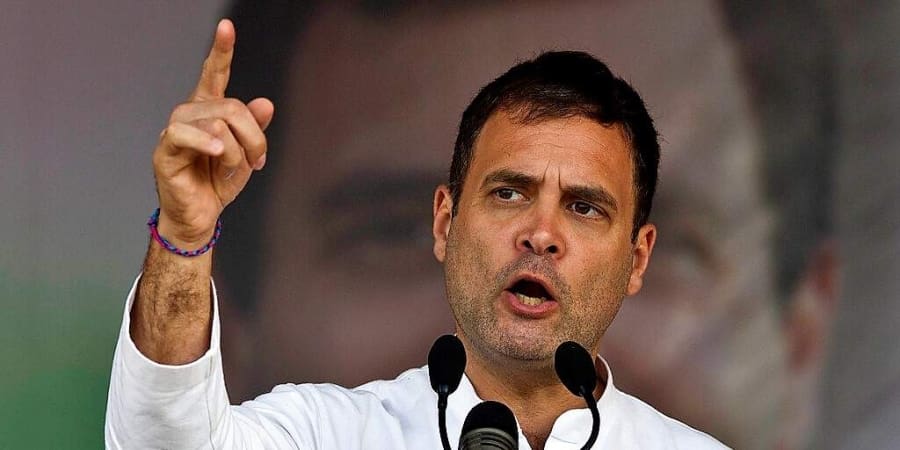
Congress, with its 19 seats, is strengthening its presence in Muslim areas like Kishanganj, while the Left, led by CPI(ML) with 12 seats, is rallying landless Dalits in Magadh. The bloc is hitting hard on the NDA over unemployment—a major concern for 20% of voters in 2020—and migration issues, using the caste census to push for better OBC quotas. Rahul Gandhi’s Vote Adhikar Yatra, a march protesting alleged voter deletions during the Special Intensive Revision (SIR), is rallying OBCs and Dalits by highlighting the need for social justice and economic fairness, which is helping to solidify INDIA's grassroots support. However, internal challenges like seat-sharing disputes and Congress infighting are significant hurdles to overcome.
Emerging players like Prashant Kishor’s Jan Suraaj are contesting all seats and trying to connect with urban youth through their promises of better governance. However, they’re finding it tough to mobilise support in rural areas where caste plays a significant role. Meanwhile, AIMIM’s presence in the Muslim-majority Seemanchal region could potentially divide the votes for the INDIA alliance. Every party is vying for the Luv-Kush bloc, with the BJP organising Luv-Kush Yatras, JD(U)’s Nitish Kumar making his moves, and RJD strategically bringing in new members. Back in 2020, around 60-65% of the Luv-Kush community supported the NDA, but the landscape is changing for 2024, with signs that INDIA might be gaining ground, especially as the Kushwahas (who make up about 4.2% of the electorate) could sway the outcome in around 70 seats.
Key issues and campaign dynamics
The NDA is all about development and stability, focusing on infrastructure and welfare programs while leveraging the caste census to promise benefits for OBCs. On the flip side, the INDIA bloc is tapping into anti-incumbency sentiments, job creation, and social justice, really resonating with the youth who are frustrated by unemployment and migration. Different regions are shaping their strategies: the NDA is strong in Mithila, while INDIA has a solid hold on Saran, and Kosi is still up for grabs. Women voters are crucial, influenced by the NDA’s liquor ban and welfare initiatives, and there are also electoral roll challenges that impact migrants. The campaign is heating up, with the NDA’s organisational strength going head-to-head with INDIA’s grassroots energy, and Jan Suraaj’s potential 5-10% vote share could make a difference in tight races.
With almost 40% of Bihar’s voters under the age of 30, young people are poised to play a crucial role in the upcoming 2025 Assembly Elections. Their concerns about youth unemployment and the state of crumbling infrastructure—think rundown schools and hospitals—are fueling a wave of anti-incumbency sentiment against the NDA. The annual floods in the Kosi and Gandak regions continue to wreak havoc on farmers, and even though the NDA has promised ₹10,000 crore for flood relief, many remain skeptical, as such commitments often seem to vanish after the budget is announced. The debate over the caste census has ramped up calls for more OBC and EBC quotas, especially since 63% of Bihar’s population belongs to backward classes.
The NDA is banking on Prime Minister Narendra Modi’s popularity, rolling out initiatives like the Mukhyamantri Mahila Rojgar Yojana, which has provided ₹10,000 to 75 lakh women to encourage self-employment. They’re also investing ₹568 crore in youth sports, offering free electricity up to 125 units, and increasing pensions for seniors, widows, and disabled individuals. Nitish Kumar’s 20 campaign promises focus on women, youth, minorities, and teachers, while Amit Shah’s rallies in Mithila aim to rally EBC support. On the flip side, the INDIA bloc, led by Rahul Gandhi and Tejashwi Yadav, is pushing back with their 'Ati Pichhda Nyay Sankalp' manifesto, which includes a new EBC Atrocities Prevention Act, 30% reservation for EBCs in local bodies, and land rights for the landless. Their Vote Adhikar Yatra is shining a light on voter suppression and job creation, with Tejashwi’s Mai-Behen Maan Yojana offering ₹2,500 a month to women from marginalised communities, ramping up the intensity of this electoral battle.
The 2025 Bihar elections are a fascinating reflection of India’s complex democracy, where factors like caste, political alliances, and public aspirations come together uniquely. If the NDA comes out on top, it would solidify the BJP’s stronghold in the heartland and highlight Nitish’s lasting impact. On the flip side, a win for INDIA would indicate a revitalised opposition. But beyond just the numbers related to caste, what Bihar really needs are effective solutions to tackle unemployment and curb migration for a brighter future. The results of this election will resonate far beyond the state, influencing the overall direction of Indian politics.
Aamir Raza is an independent researcher based in New Delhi. He has been previously associated with Lokniti-CSDS and IIT Delhi as a Researcher. His areas of research interest include Electoral politics, representation, minority studies, ethnic politics and democratisation.