Bison Kaalamaadan review: An epic social drama

People often say A.R. Rahman saves his best for Mani Ratnam. Watching Mari Selvaraj’s Bison Kaalamaadan, one begins to wonder something similar, if the filmmaker reserves his best for Pa. Ranjith’s productions. Because without doubt, Bison Kaalamaadan is Mari Selvaraj’s finest work yet.
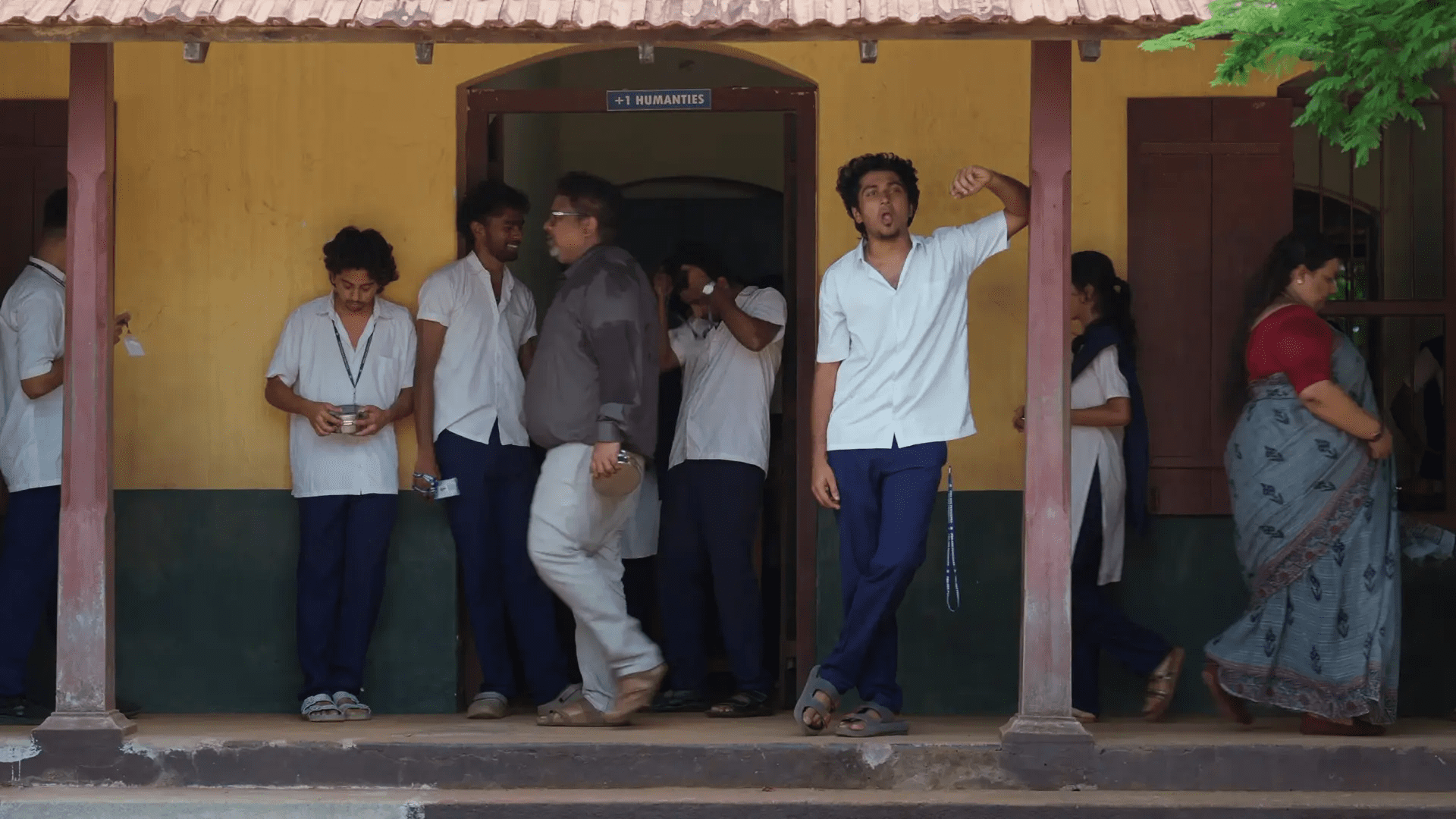
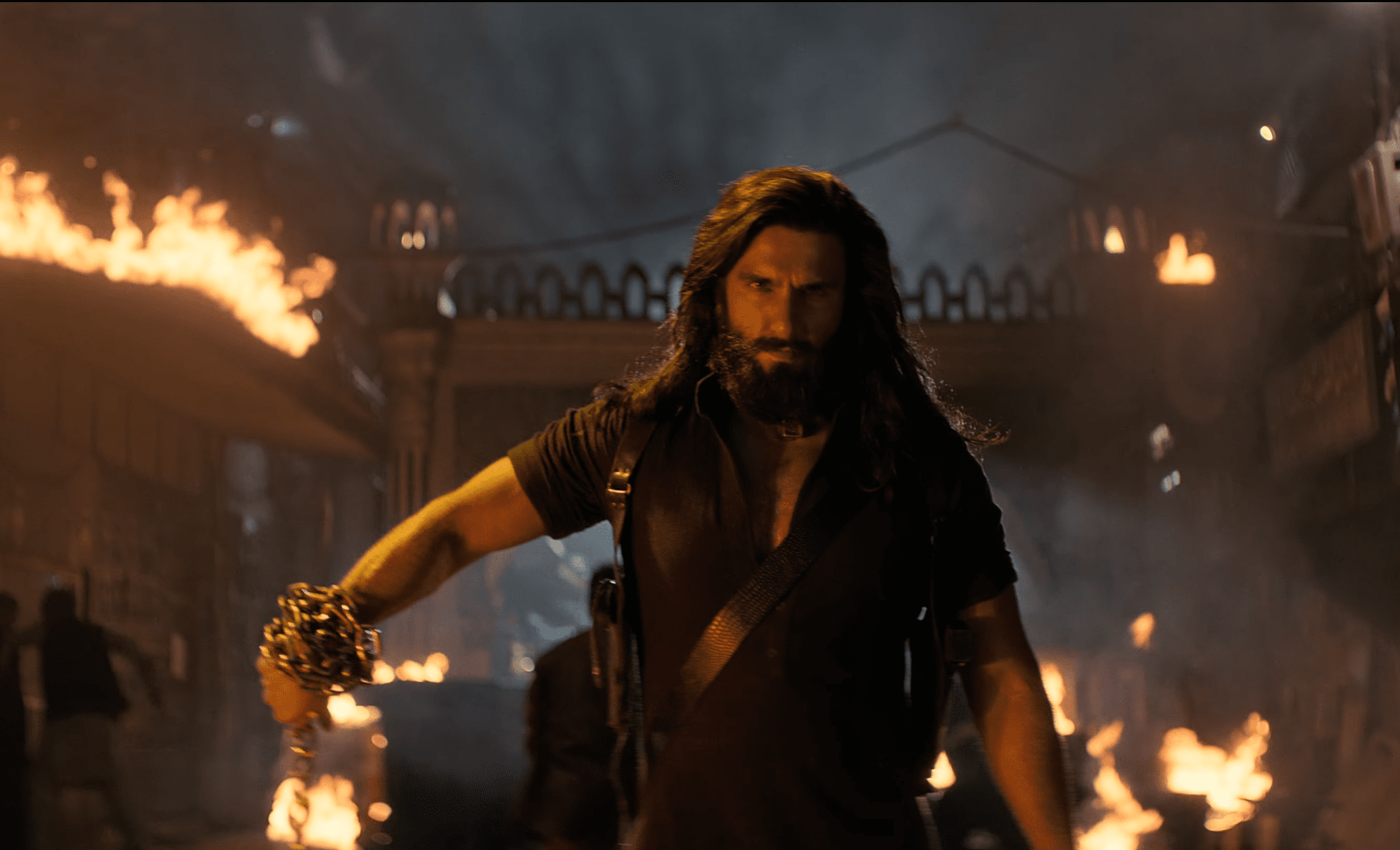
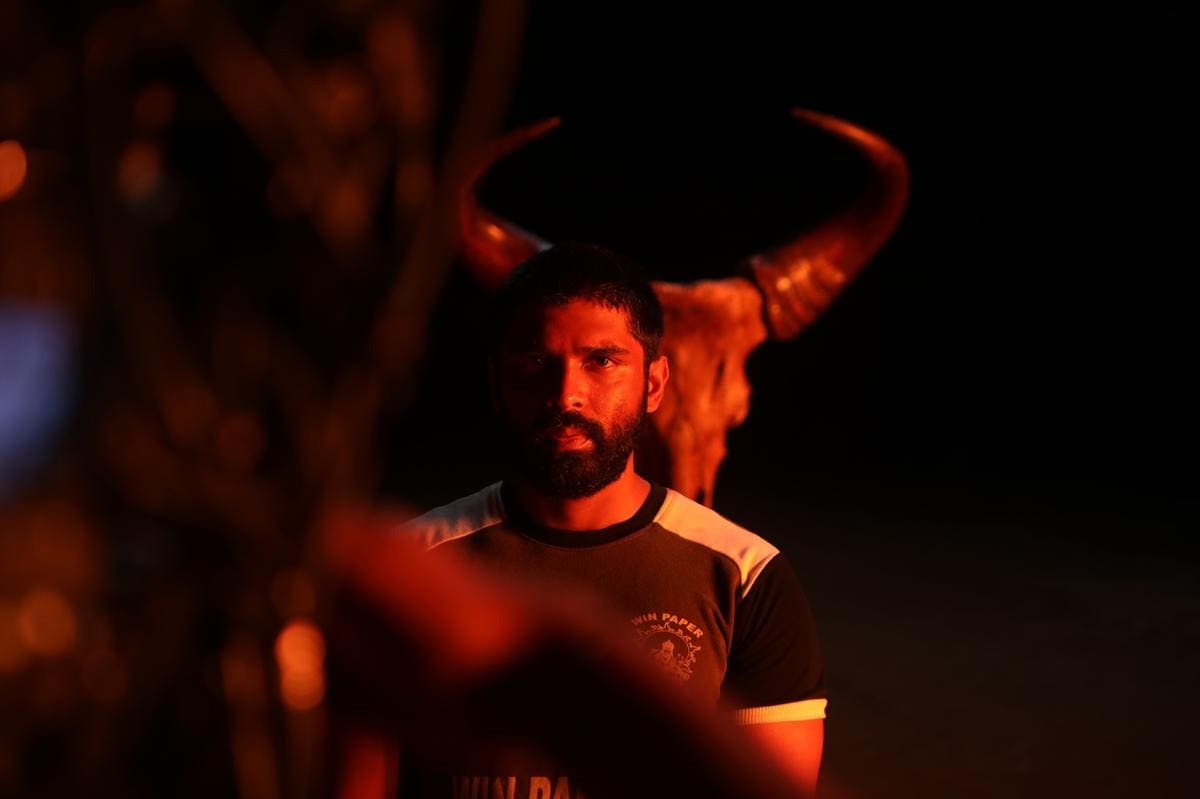
The film follows a desperate young man, Kittan, who uses his passion for Kabaddi as a means to hold on to his humanity and escape the violent caste conflicts of Tamil Nadu’s southern districts. Dhruv Vikram plays him with surprising restraint and precision. With minimal dialogue, he communicates entirely through his eyes, body language, and that quiet internal intensity that never feels performed. He draws us into his struggle with disarming ease.
His father Velusamy, played by the extraordinary Pasupathy, is the film’s emotional anchor. Pasupathy’s performance is a masterclass in emotional layering, capturing the protective tenderness of a father that can turn suffocating, the anger at a volatile social order he must navigate, and the despair of a man who knows that one wrong step could endanger his entire family. You feel his exhaustion, but also his fire.
While the film works beautifully as an intimate father and son drama, it steadily expands into an exhilarating sports narrative. Kittan’s Kabaddi talent brings him friends, rivals, and dangers from every direction. Beyond excelling in the game, he has to constantly negotiate the fragile, combustible politics around him. Each match feels like a moral test, not just a physical one, and each victory gives us an almost cathartic sense of liberation.
Though the matches occasionally begin to resemble one another, Selvaraj differentiates them with sharp editing and music cues that reflect the stakes of each game. The film, inspired by real-life Arjuna Award-winning Kabaddi player Manathi Ganesan, makes its outcome somewhat predictable. But Bison is not about who wins; it is about what must be overcome to even play.
More importantly, the film transcends the sports genre to become a moving social drama about caste, aspiration, and the delicate possibility of brotherhood. It juxtaposes the dehumanisation of caste with the redemptive, unifying power of sport. Selvaraj’s writing of the Dalit leader Pandiaraja and the OBC leader Kandasamy, played with magnetic conviction by Ameer and Lal, is particularly striking. These are not stock political figures but complex men who embody contradictions. Pandiaraja’s refusal to nitpick anyone attempting to rise beyond caste, and Kandasamy’s admiration for talent that defies caste boundaries, feel like rare, mature articulations in Tamil cinema.
The quietly dignified character of Santhanraj, the physical education teacher (Madhan Dhakshinamoorthy), also stands out, as he nurtures Kittan’s talent without prejudice. Since Pariyerum Perumal (2018), Mari Selvaraj has been trying to evoke the conscience of the oppressor, though not always successfully. In Maamannan (2023), this even backfired when certain casteist forces celebrated the violent Rathnavelu. But in Bison, his philosophy finds its truest footing. Both sport and art, by their nature, demand empathy, and they cannot exist without some shared humanity.
Rajisha Vijayan and Anupama Parameswaran also shine. Rajisha, as Kittan’s sister Raji, becomes the emotional bridge between father and son. Anupama’s Rani, caught between family feuds and unspoken love, brings a quiet ache to the film. Their relationship has almost no conventional romance, yet the emotional charge between them feels alive and haunting.
Ezhil Arasu K’s cinematography is stunning. He captures the film as both a personal odyssey and a sprawling social epic, giving it intimacy and grandeur, often within the same frame. Nivas K. Prasanna’s music, initially met with curiosity since Mari was not collaborating with Santhosh Narayanan this time, turns out to be one of the film’s biggest assets. His songs and background score lift Selvaraj’s world into something immersive and lived-in, especially “Rekka Rekka” (Arivu, Vedan) and “Thennaadu” (Sathyan Mahalingam), which surge with raw, propulsive energy.
The film isn’t without its flaws. While the Kabbadi matches feel authentic, they could have used more dramatic choreography and finer detailing. The contemporary portions, shot in black and white, feel a bit too stereotypical, especially with the North Indian coach. Some later characters, played by Lenin Bharathi, Azhagam Perumal, and Haritha Mutharasan, come across as rushed and underdeveloped, serving more as narrative devices than fully realized individuals. A few key conversations also feel overly written, with ideas stated as dialogue rather than emerging organically through the scenes. And yes, the film could use a slight trim.
But these are small dents in an otherwise stirring work. Bison is Mari Selvaraj at his most focused and emotionally grounded. It is political without being preachy, intense without being indulgent. And as Pandiaraja’s character says, before finding faults, it is worth pausing to marvel at the very possibility of such a film in Tamil cinema.
Rating - 4 stars out of 5.