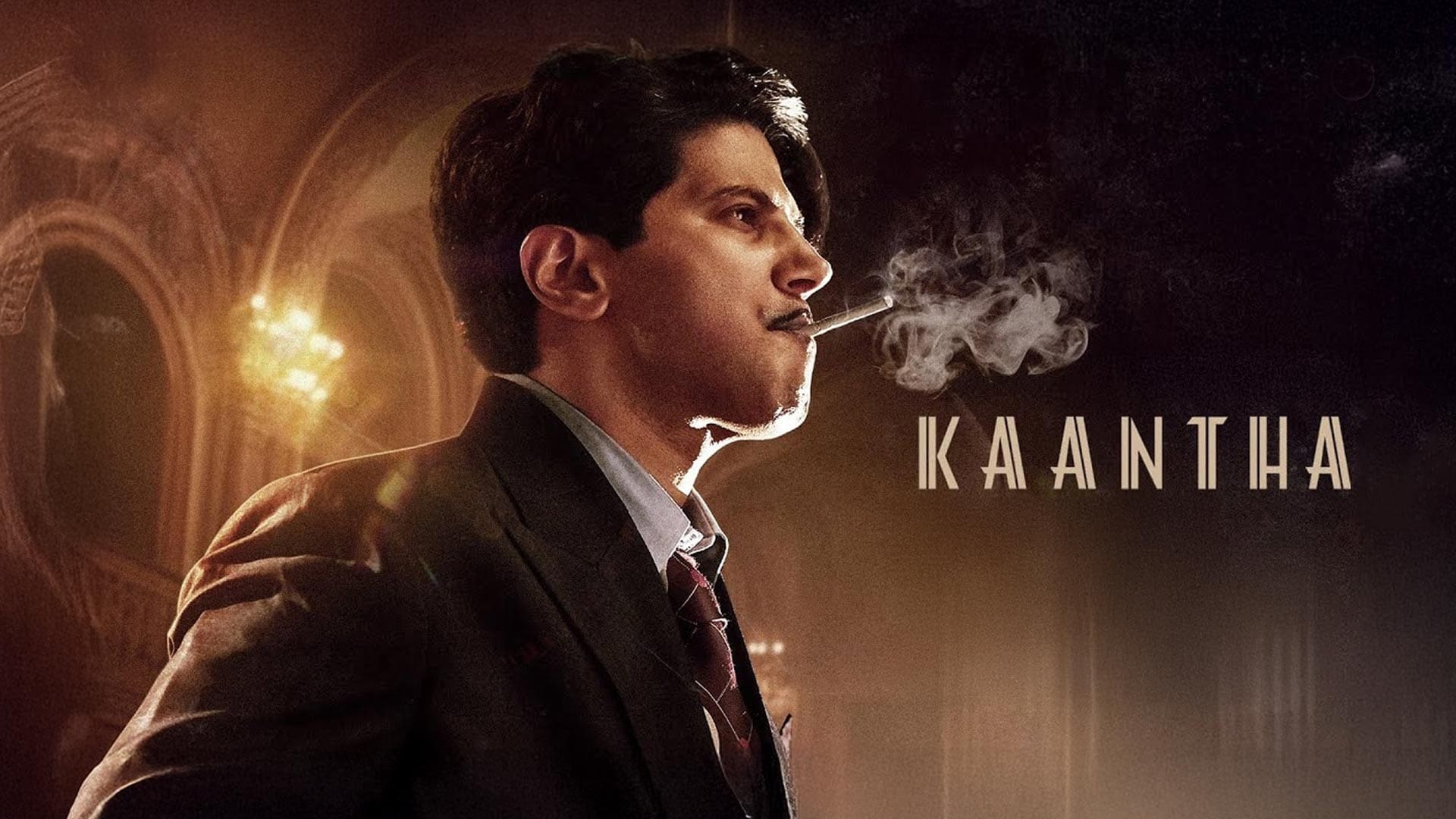
Kaantha movie review: Ambitious but tedious

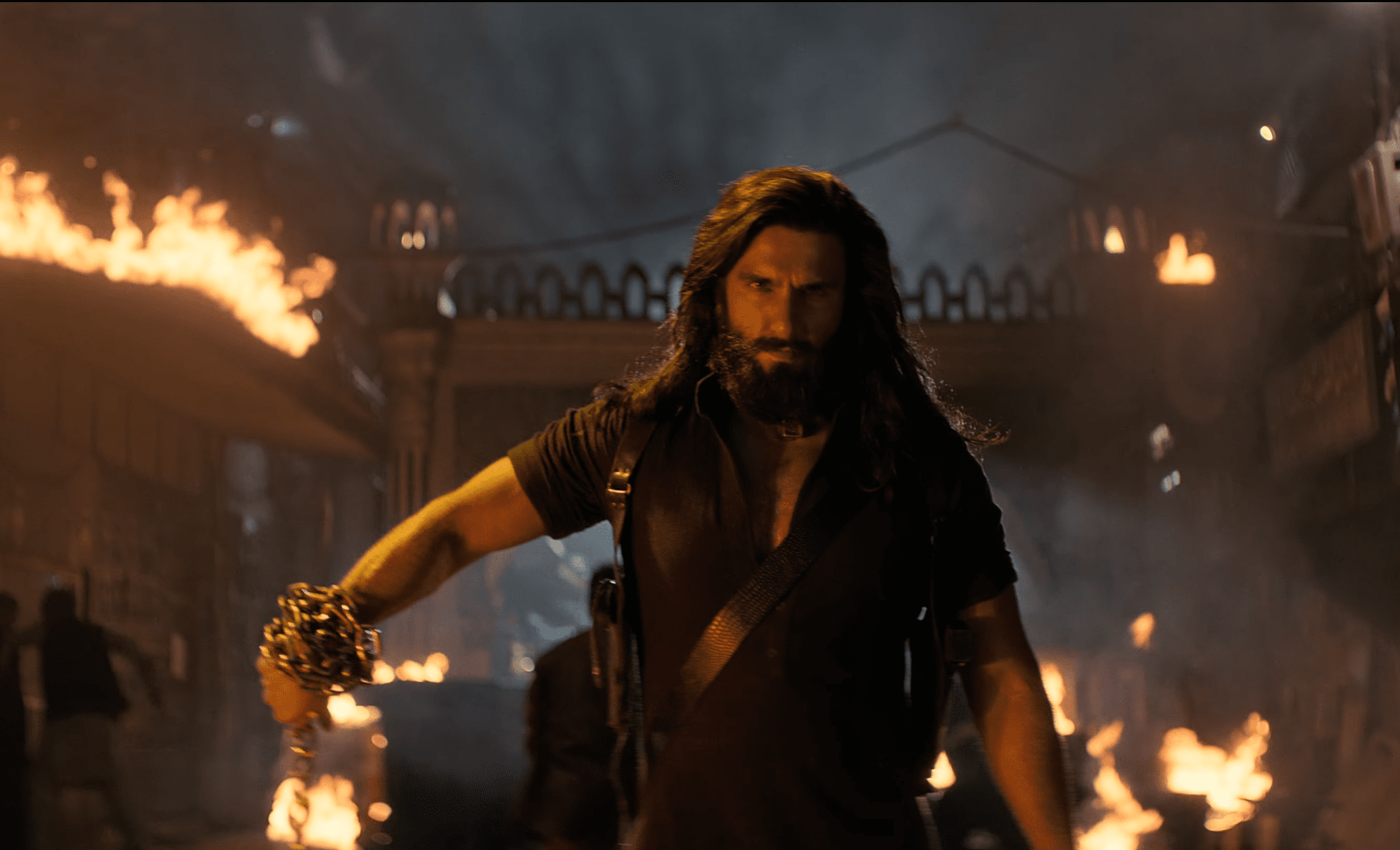
There is no doubt that Selvamani Selvaraj’s Kaantha is an enormously ambitious film. Set in the film studios of 1950s Madras, it immediately offers a delicious premise: a master filmmaker, a superstar, a spiralling ego clash, and a murder lurking in the shadows. Naturally, our mind wanders to films like Robert Altman’s The Player (1992) or Francois Ozon’s The Crime Is Mine (2013), where cinema and crime feed each other with wit and flair. Kaantha begins with that same promise and draws us in.
Except that the film seems perfectly content simply having a premise. In fact, it seems so enamoured by its own setup that it turns indulgent. Kaantha loves itself so dearly that it forgets to love us back. The emotional connection, so essential in a story about egos colliding, never really materialises.
Dulquer Salmaan, as the superstar Thiruchengode Kalidasa Mahadevan, is unquestionably the film’s finest asset. He plays a man steeped simultaneously in power and insecurity, and Dulquer brings a magnetic vulnerability that is a pleasure to watch. Unfortunately, he is also the only truly compelling presence on screen.
Samuthirakani, as the revered filmmaker TPK Ayya, never quite convinces us. We are told at length about Ayya’s brilliance, temper, control, ego and vindictiveness, but very little of it lands. At best, Samuthirakani’s Ayya feels like a strict mathematics tuition teacher who wandered into a period film set. Because this casting does not quite click, the central conflict between star and filmmaker never ignites. Their showdowns feel less like raging fire and more like the word "fire" scribbled on a sheet of paper.
Bhagyashri Borse’s Kumari tries to serve as the unpredictable bridge between the two men, injecting tension and mystery. But the role confines her to a fragile delicateness that she is never fully able to break through.
The film’s deeper problem, however, is its writing. On paper, Kaantha is filled with dramatic possibilities, but on screen, these conflicts feel strangely hollow. For a film so visually ambitious, the storytelling is surprisingly unvisual. Instead of letting moments breathe or unfold in images, the film leans heavily on explanatory dialogue. Almost every major emotional shift is spoken, never shown.
There is one glorious exception: a moment where Kumari lets go of TK Mahadevan’s hand slowly and reluctantly at the end of a song. It is the kind of visual gesture the rest of the film desperately needed. But such moments are rare.
Because the key emotional beats are spelt out like bullet points, we never feel invested. What does TPK Ayya really feel as he sends his star to jail? What is TK Mahadevan’s turmoil as he oscillates between his wife and his love for Kumari? How do two men who depend on each other, yet want to destroy each other, make sense of their admiration and rivalry? The film simply narrates these to us like minutes from a meeting.
Just when the first half begins to wobble, Rana Daggubati’s Inspector Devaraj arrives in the second half to finish the job. His entry turns the simmering drama into something resembling a frivolous stage play. Because the second half of the film is restricted to the studio set, the proceedings become repetitive and almost claustrophobic, but without the intentional tension such a space can offer. And by the time the climax arrives, with the filmmaker and star confessing their sins as casually as if they were discussing lunch, you have officially detached from the film.
Dani Sanchez Lopez’s cinematography is undeniably enchanting at times. The strong, harsh lighting attempts to mirror the shooting style of the 1950s. But this choice often creates a hazy layer on the frame that further distances us from the characters. And the camera seems oddly convinced that flooding the film with mirror shots alone makes it visually inventive.
In Kaantha, the meta commentary on filmmaking and murder is certainly intended, but very little of it actually reaches us with coherence. The most meta thing one can say about Kaantha is this: producer Dulquer Salmaan does everything he can to keep the film alive. But the other producer, Rana Daggubati, shows up in the second half to promptly escort it to the nearest cemetery.