Vande Mataram, Muslim citizenship, and epistemic injustice in contemporary India

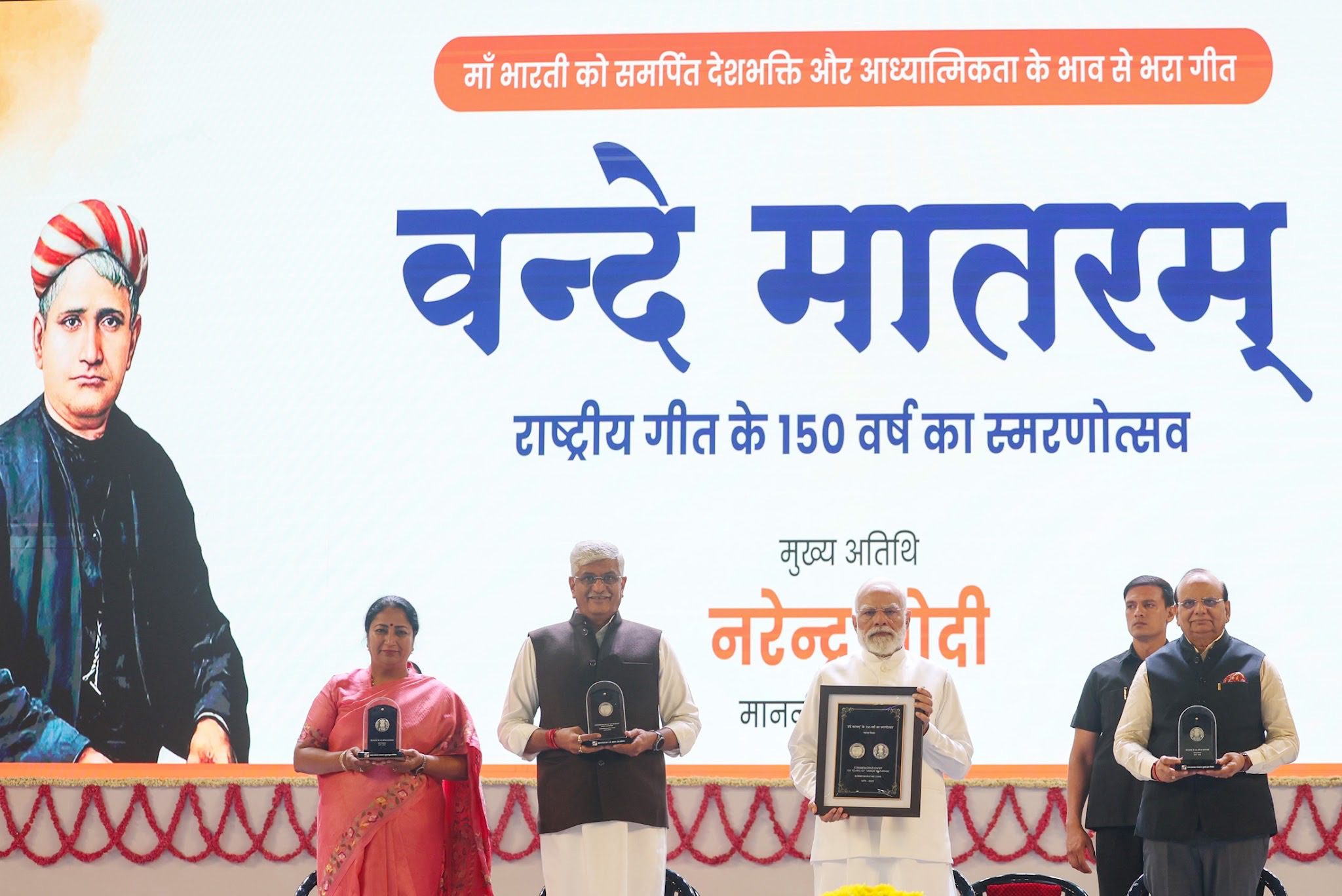
The renewed debate around the mandatory recitation of Vande Mataram has brought several Muslim organisations into public attention, particularly those that objected to the compulsory chanting on theological and constitutional grounds. Groups such as Jamiat Ulama-Hind, Jamaat-e-Islami Hind, and clerical groups in Jammu and Kashmir publicly voiced their opposition. Their stand has remained virtually consistent: they do not object to people singing the song on their own volition, but they are against any obligation enforced by the state, particularly because some verses personify the nation as a goddess, which is incompatible with Islamic monotheism.
Despite this evident and doctrinally based reasoning, the public framing of these issues has rarely allowed Muslim organisations to speak as credible and legitimate moral agents. Instead, these stances are frequently portrayed in media narratives and political commentary as evidence of “separatism", a lack of patriotism or opposition to integration. Television debates routinely frame Muslim dissent as a threat to national unity rather than a valid expression of freedom of conscience, reducing the topic to a binary of nationalism against communalism. In these depictions, Muslim organisations are portrayed as political actors seeking confrontation rather than as communities articulating a principled ethical stance.
This treatment reflects testimonial injustice in which the credibility of Muslim organisations is discounted because their identity as Muslims triggers prejudicial stereotypes about disloyalty or hostility towards the nation. Their concerns are often filtered through majoritarian assumptions about patriotism rather than being substantively addressed by their theological reasoning. When Jamiat Ulama-i-Hind argued that compulsion violates both Islamic faith and constitutional rights, many media outlets responded by questioning why “only Muslims” oppose a national song, subtly attributing nefarious rather than acknowledging their arguments as concerns of conscience. This credibility deficit ensures that when these organisations speak, their testimony is preemptively dismissed, not based on argument but based on identity.
These dominant discourses, alongside testimonial injustice, also produce hermeneutical injustice. A majoritarian cultural lens frames the public understanding of patriotism, wherein national symbols are assumed to be neutral regardless of their religious overtones. Within this interpretive framework, objections based on monotheistic sensibility appear illogical and incomprehensible. This majority’s unwillingness and incapacity to acknowledge the religious meaning of Vande Mataram results in the creation of a hermeneutical gap where Muslim experiences and arguments do not align with the prevailing conceptual lexicon of patriotism. Muslim organisations’ arguments that calling on the country as a deity is incompatible with Islamic theology are seen as a political stance rather than real ethical claims. The public sphere lacks the intellectual tools necessary to comprehend disagreement that is both patriotic and principled, devout and democratic. Thus, Muslims are compelled to choose between conforming to majoritarian standards and running the risk of being perceived as anti-national.
Muslim citizenship is significantly impacted by this dynamic. Muslims are prevented from expressing their identity in the common national space when dissent is misconstrued as disloyalty and conscience is perceived as communalism. They are thus forced to adhere to majoritarian epistemic standards to participate in public discourses. This misrecognition produces silence which does not operate through legal prohibition but rather through epistemic mechanisms such as misinterpretation, delegitimization and persistent questioning of motives. Instead of viewing Muslims as persons capable of determining their own loyalties to the country, these processes turn them into objects of inquiry.
Therefore, Muslim organisations’ opposition to the mandatory chanting of Vande Mataram serves as an example of how epistemic injustice affects minority experience in contemporary India. Their voices are heard but not recognised, and their reasoning is not acknowledged. What is at stake is not just a song but the conditions under which a minority community is permitted to speak, protest and feel like they belong within the country.
Abrar Nazir is currently pursuing a PhD in political science at Thapar School of Liberal Arts and Sciences, TIET.