UP CM faces objections over ‘Fatiha’ reference during assembly exchange

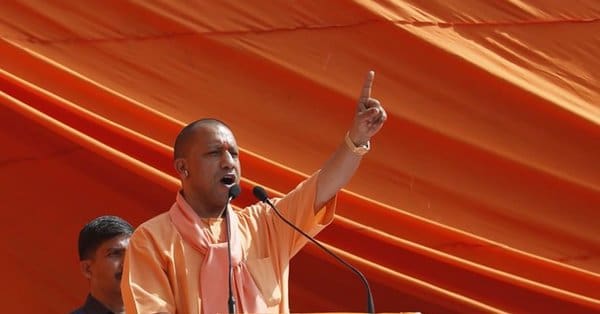
Uttar Pradesh Chief Minister Yogi Adityanath’s remarks in the state Assembly that he would not leave his opponents “even fit for Fatiha to be read” have triggered sharp criticism.
The comment was made during a heated exchange in the Uttar Pradesh Legislative Assembly, as the Chief Minister responded to opposition criticism over the alleged misuse of codeine-based cough syrup.
Al-Fatiḥa is the first chapter of the Quran. It consists of seven verses which consist of a prayer for guidance and mercy. Al-Fatiḥa is recited in Muslim obligatory and voluntary prayers, known as ṣalah.
Addressing the opposition benches, particularly the Samajwadi Party, Adityanath said, “Hamari sarkaaar ki kaaravaai antim charan tak pauchegi, tab tak aap mein se bahut saare log Fatiha padhne jaayenge vahaan lekin hum aapko Fatiha padhne layak bhi nahin chhodenge (when the government’s action reaches its final stage, many would go to read Fatiha, but the government would not leave them ‘even fit’ for such prayers).”
Fatiha is a short chapter from the Quran, commonly recited by Muslims for the deceased and during funerary rites.
Leader of the Opposition Mata Prasad Pandey objected to the Chief Minister’s remarks and said, “Unki wani unke anuroop nahi. The language used was unbecoming of a person holding a constitutional position.”
He said the opposition had raised questions related to governance and accountability, but the Chief Minister “chose to respond with threats and religious references instead of facts.”
Pandey criticised the invocation of Fatiha in the debate, saying that “dragging a religious practice into a political attack lowers the dignity of the Assembly.”
He further said that such remarks “create fear and polarisation rather than allowing democratic discussion,” and that the opposition was being discouraged from asking legitimate questions.
Following the exchange, Pandey led Samajwadi Party MLAs in a walkout, saying they were protesting “the tone and language used by the Chief Minister on the floor of the House.”
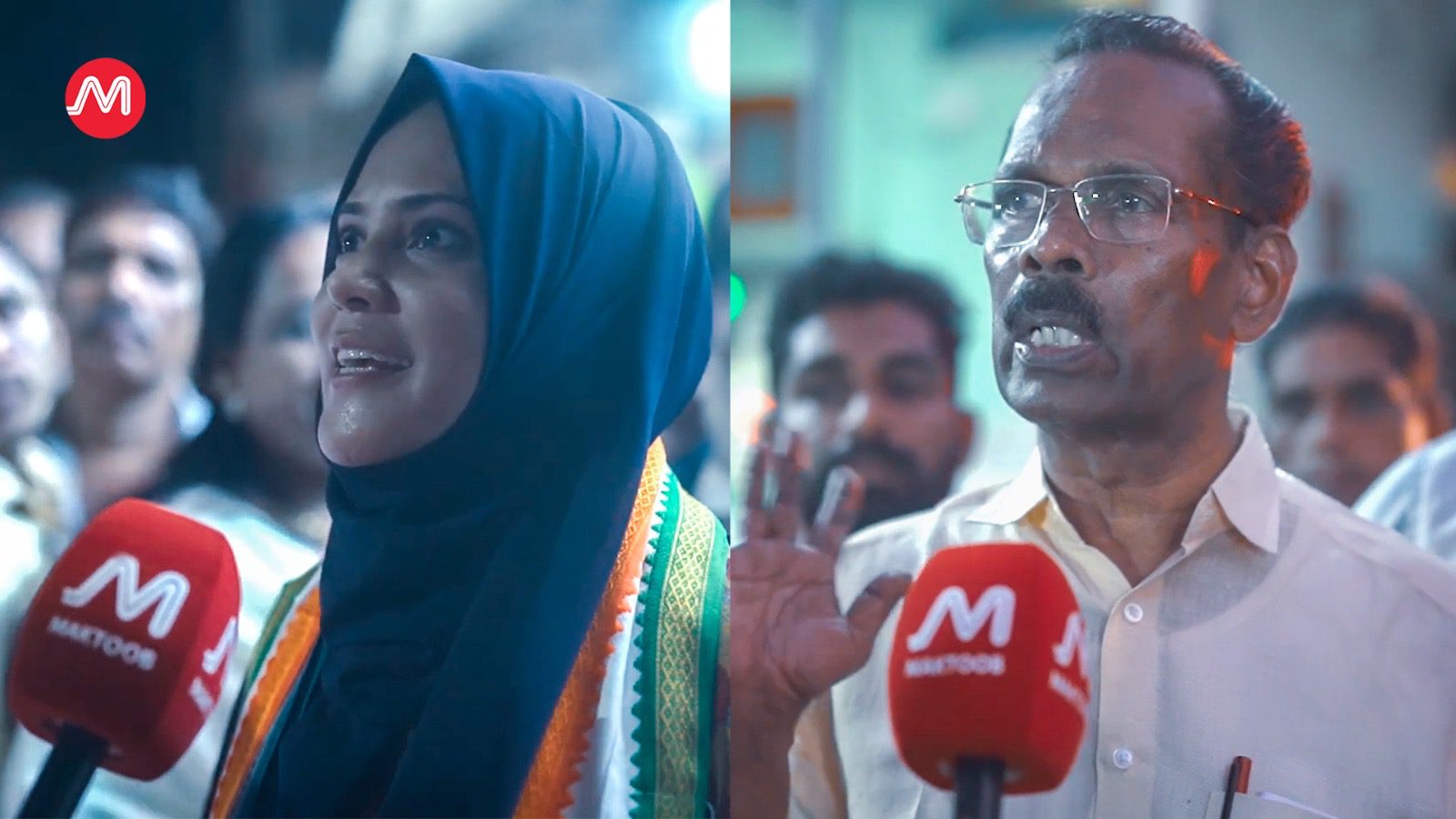
“A sitting Chief Minister suggesting that people will not even be left worthy of last rites crosses a line,” said advocate Areeb Uddin, a legal practitioner based in Uttar Pradesh’s Lucknow, told Maktoob.
“When that imagery is drawn specifically from a minority religious tradition, it reinforces fear and marginalisation. Such a statement strikes at the very heart of the right to religion under Article 25 of the Constitution, which protects the freedom to perform religious rites, including last rites according to one’s faith, and also violates the right to life and dignity under Article 21, which extends to a dignified disposal of the body after death,” said Uddin.
“When a constitutional functionary uses religiously coded language to threaten the denial of last rites, it is not only uncalled for but also arbitrary, discriminatory, and deeply offensive to the secular and egalitarian values of the Constitution,” he added.
He further said, “The Chief Minister is not a street-level politician; he occupies a constitutional position. Words spoken on the Assembly floor carry authority. When those words evoke death and religious identity, they legitimise hostility rather than law.”