From orchards to outposts: Pulwama farmers fear losing their lifeline

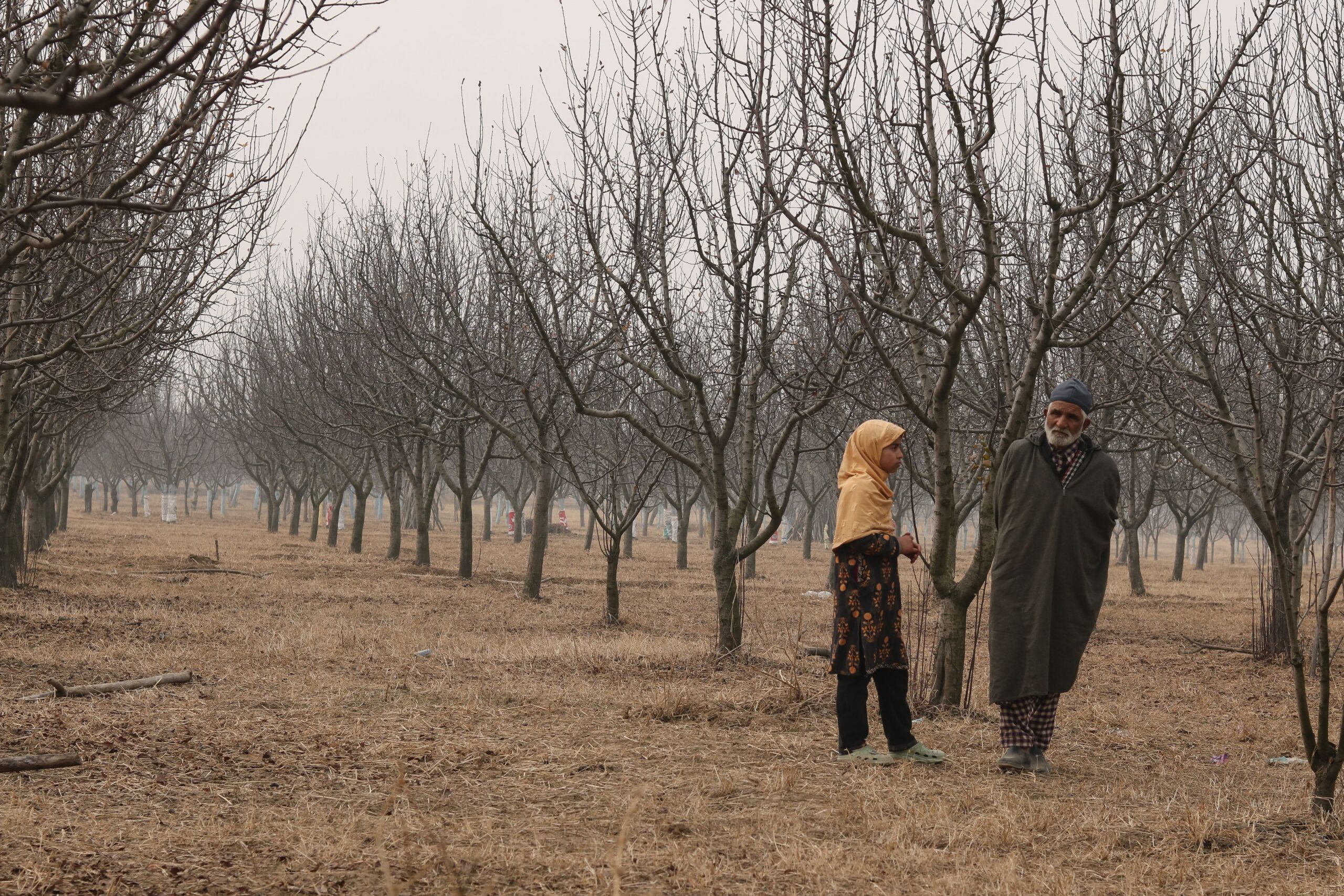
As winter grips Kashmir, apple orchards in the southern district of Pulwama lie bare, their branches dormant until spring. In two villages, residents now fear the trees may never bloom again.
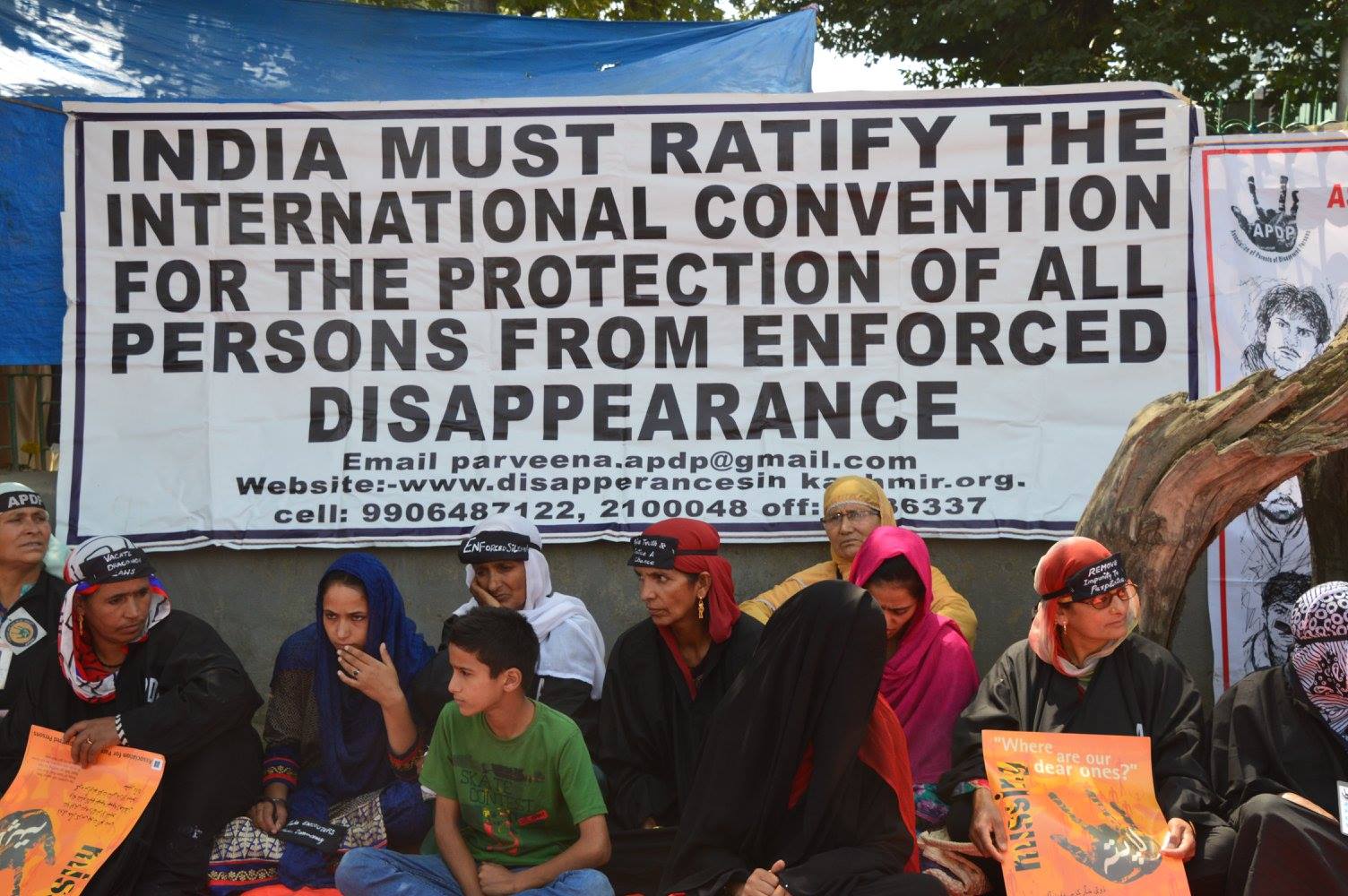
Earlier this month, officials surveyed apple orchards in the villages of Lajurah and Puchal, marking nearly 250 kanals (about 31 acres) of agricultural land for a proposed security installation, residents said. The survey came without prior notice or consultation, villagers said, triggering protests across the area.
Residents say this was the first time they learned of the government’s intention to earmark the land, which they describe as their primary source of livelihood for decades, and in some cases, generations. Political leaders later joined the protests.
Agriculture forms the backbone of Kashmir’s economy, supporting about 70% of the population, according to the Jammu and Kashmir Economic Survey 2024–25. Yet only around 20% of the region’s land is arable, making fertile agricultural land particularly valuable. The orchards identified in Pulwama are among the district’s most productive, with residents estimating more than 7,500 fruit-bearing apple trees.

“Before me, my father harvested crops here,” said Ghulam Ahmed Rather, 75, a protester from Lajurah. “Our women used to cut grass from this land to feed cattle. If a security camp comes up here, how will farmers work? Who will take care of the land?”
Officials have described the earmarked plots as state land. Villagers dispute that characterisation, saying revenue records show they have cultivated the land continuously for generations. For them, they say, ownership goes beyond legal definitions.
For Zainab Begum, 45, the orchards represent a fragile path out of poverty. Her husband works as a daily wage labourer and underwent heart surgery about a decade ago, leaving the family burdened with medical debt.

“We sold our paddy fields and my husband worked day and night,” she said. “All so we could buy apple orchards. That was our future.”
This year, the family harvested its first modest apple crop and hoped for better yields next season. That hope dimmed on Dec. 8, when they learned their orchards had been measured for acquisition.
“We couldn’t eat. We didn’t know who would listen to us,” Begum said. She said her ailing mother’s medical expenses exceed 5,000 rupees ($60) a month. “How will we educate our children now? We have nothing left except these orchards.”
In neighbouring Puchal village, Ghulam Rasool said his concerns extend beyond income. Elderly and unable to work, he depends entirely on the land, which he said also serves as a refuge during floods.
“This land is our shelter,” Rasool said. “In 2014, people from villages kilometres away came here to save their lives. If this land is gone, where will we go when floods come again?”
Concerns over shrinking agricultural land have intensified in south Kashmir following recent land allocations for railway projects in Anantnag and Pulwama districts, residents and activists say, raising fears that development is permanently eroding the region’s sustainability.
Former Jammu and Kashmir Chief Minister Mehbooba Mufti, who joined the protesters, questioned the choice of location for the proposed security camp.

“This is fertile agricultural land,” Mufti told reporters. “If the government needs land for a BSF camp, it should be on barren land. Setting up a security camp in the middle of a village is not a good decision. Women work in these orchards.”
Pulwama lawmaker Waheed-ur-Rehman Para also called for transparency and dialogue, urging the administration to reconsider the acquisition or identify alternative sites.
Officials have not publicly detailed compensation plans or alternative arrangements, leaving villagers uncertain as winter deepens and the future of their orchards remains unclear.