Delhi HC raps NGO for repeated PILs targeting mosques, dargahs

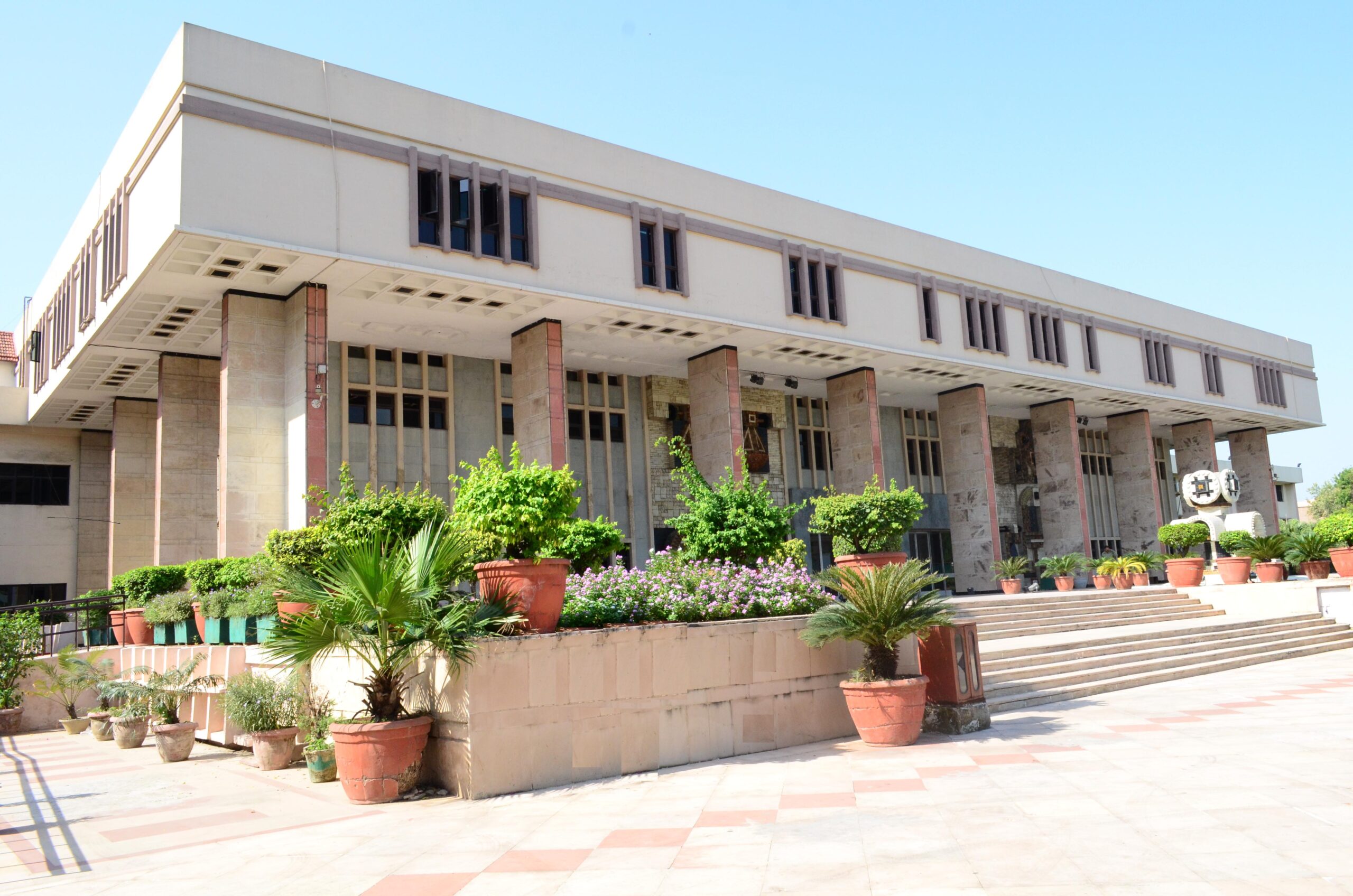
The Delhi High Court on Wednesday strongly criticised an organisation called Save India Foundation for repeatedly filing public interest litigation (PIL) petitions alleging encroachments by mosques and dargahs in the national capital, saying it was “misusing” the court’s jurisdiction, Bar and Bench reported.
A Division Bench comprising Chief Justice Devendra Kumar Upadhyaya and Justice Tejas Karia said it did not appreciate the organisation’s conduct and observed that it appeared to be targeting only one kind of religious structure.
“You see only one kind of encroachment? We do not appreciate this. You are misusing the court’s process. Every week you go around the city, find some religious structure, and file a PIL,” Chief Justice Upadhyaya remarked.
The Chief Justice said there were many other issues in society that deserved attention.
“Are you seeking your name in the Guinness Book of World Records? You do not see any other ill in society? People who do not get clean water, people who are starving, none of that is seen by you? You only see encroachments? Please do not misuse PILs like this. These petitions disturb us,” he said.
Two PILs filed by Save India Foundation were listed before the court on Wednesday, one of which related to Jama Masjid and Madarsa Giri Nagar. The petitioner claimed that the structure had encroached upon “green, secular” government land.
Appearing for the organisation, advocate Umesh Chandra Sharma said complaints had been filed earlier but no action had been taken against the mosque.
On the other hand, advocate Sameer Vashisht, representing the Delhi government, told the court that according to local authorities, the structure was indeed an encroachment.
Senior advocate Sanjoy Ghose, appearing for the Delhi Waqf Board, argued that the mosque was a notified structure and that the Delhi Development Authority (DDA) had also been involved in the demarcation of the land.
Ghose also pointed out that a single judge of the High Court had earlier observed a pattern in the petitions filed by the organisation, noting that they appeared to target religious structures belonging to one particular community.
After hearing the matter for some time, the court said it would take up the case again on January 21.