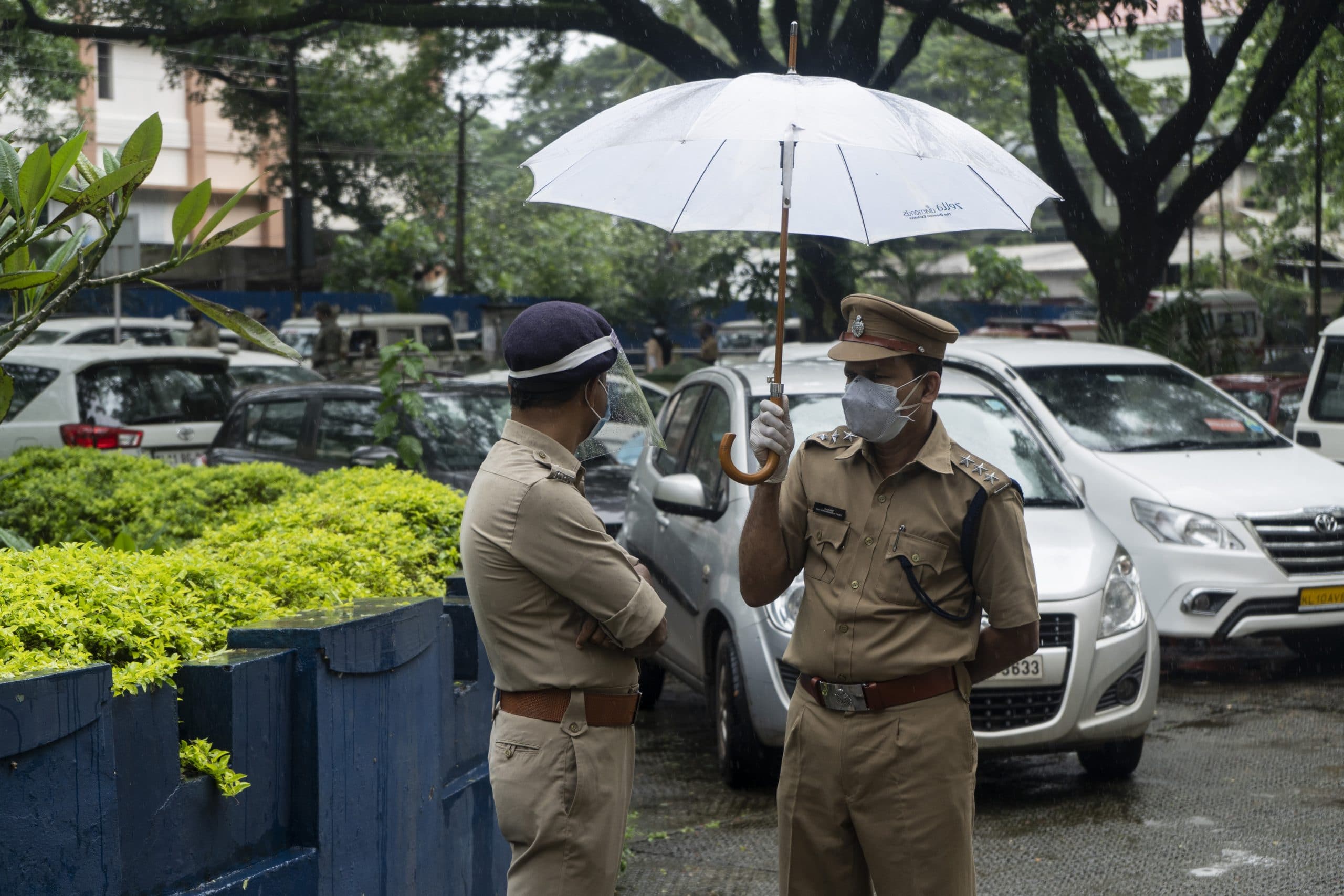
Explained: Why Kerala raised prison wages
When the Kerala government announced a sharp increase in wages paid to prison inmates earlier this month, the decision immediately drew criticism. The timing—just weeks before the Assembly elections—and the scale of the hike led to questions about political intent and fairness, especially when compared to stagnant wages in many civilian sectors.
But prison officials and legal documents tell a longer, less visible story, one shaped by years of delay, Supreme Court interventions, and structural failures in India’s prison labour system.
On January 9, the state revised daily wages for prison labour for the first time since 2018. Under the new structure, inmates engaged in skilled work will earn ₹620 per day, semi-skilled workers ₹560, and unskilled workers ₹530. Until now, prisoners in Kerala earned between ₹63 and ₹168 a day—rates that activists have long described as exploitative and out of step with contemporary labour standards.
The revision comes nearly seven years after the last update, despite the Model Prison Manual, 2016, mandating that inmate wages be revised every three years. Kerala’s failure to comply with this requirement had effectively frozen prison wages at levels that made even basic rehabilitation goals unattainable.
According to prison authorities, the reform was triggered by 2024 recommendations from the Supreme Court’s Centre for Research and Planning, which urged states to align inmate wages with those already implemented in Karnataka, Delhi, Tamil Nadu and Rajasthan. The Court had flagged the wide disparities between states and the structural injustice of paying prisoners amounts that could not meaningfully support families, restitution, or reintegration.
Around 4,200 inmates in Kerala, both those undergoing rigorous imprisonment and those who voluntarily opt to work, are eligible for the revised wages. Crucially, the money they earn is not paid out as disposable income.
Under prison rules, 50 per cent of an inmate’s earnings are sent directly to their family. Twenty-five per cent goes into a canteen account to cover essentials such as food supplements, phone calls and basic needs inside prison. For convicted prisoners, one-third of their earnings is mandatorily deposited into the Victim Compensation Fund, under judicial supervision.
This last provision is key to understanding why the wage hike became unavoidable.
In 2021, Kerala revised its Victim Compensation Scheme following Supreme Court directions, expanding support for survivors of sexual violence and lynching, as well as families of those killed. However, officials acknowledge that the scheme remained largely ineffective because prisoners’ wages were so low that meaningful contributions were impossible.
In other words, the state’s own victim compensation framework was being undermined by its failure to revise prison wages.
Critics continue to question why such a long-overdue reform was implemented only now, and whether electoral timing influenced the announcement. But the underlying legal and administrative record suggests that the change was less a sudden generosity than a delayed compliance—prompted by court scrutiny, inter-state comparisons, and the collapse of rehabilitation and restitution mechanisms built into the prison system.