“Answer us”: Inside Bhubaneswar’s growing revolt against bulldozer-led development

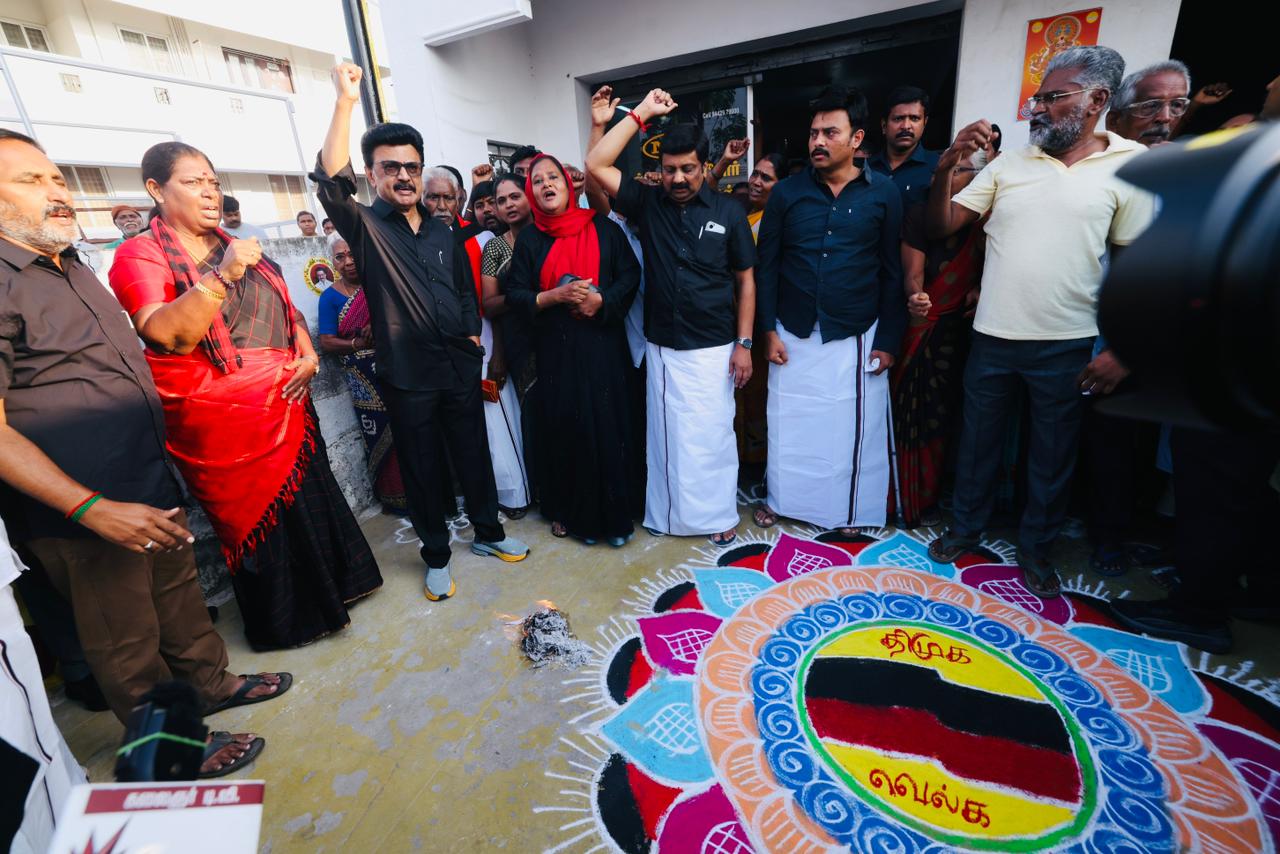
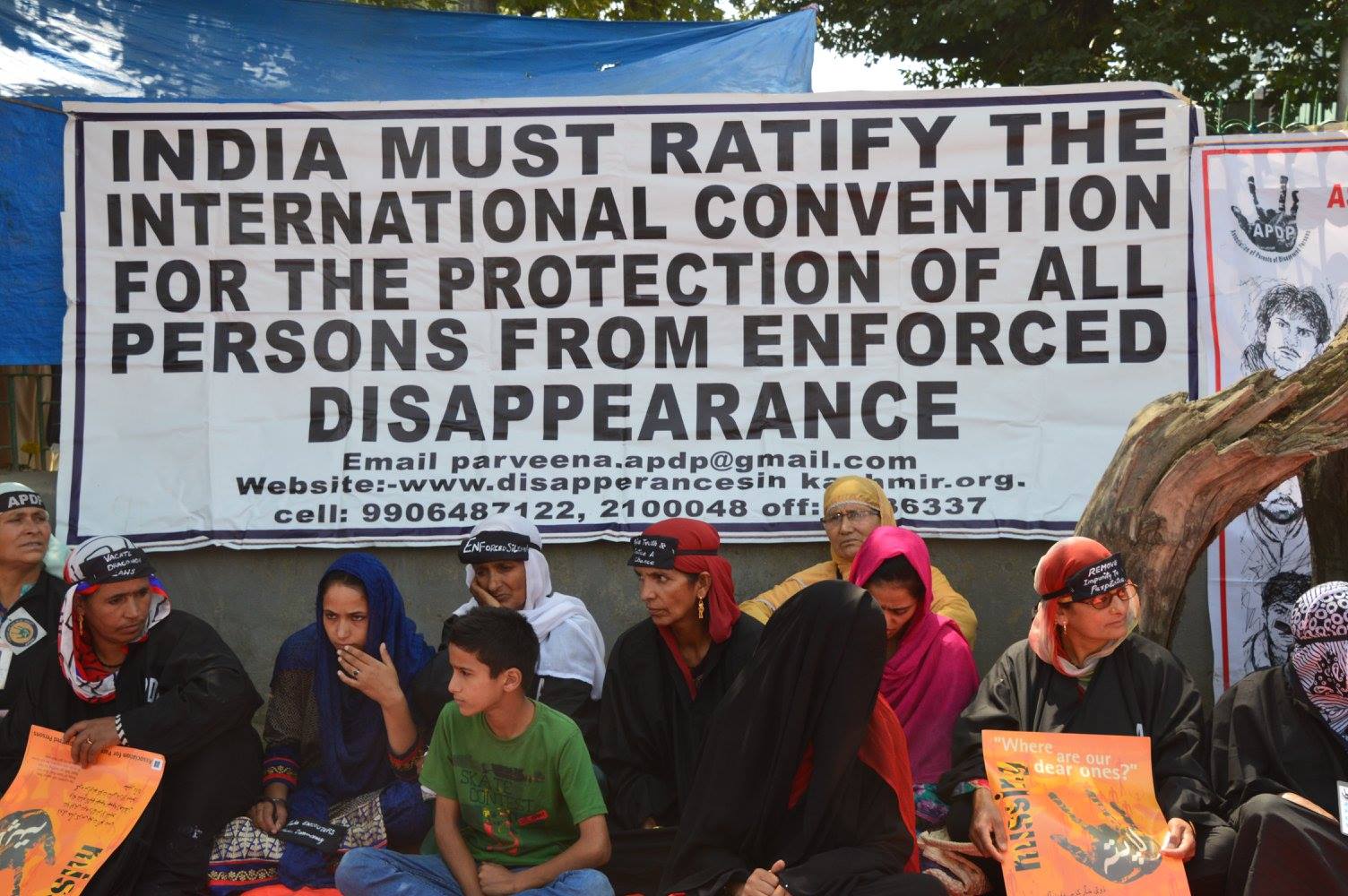
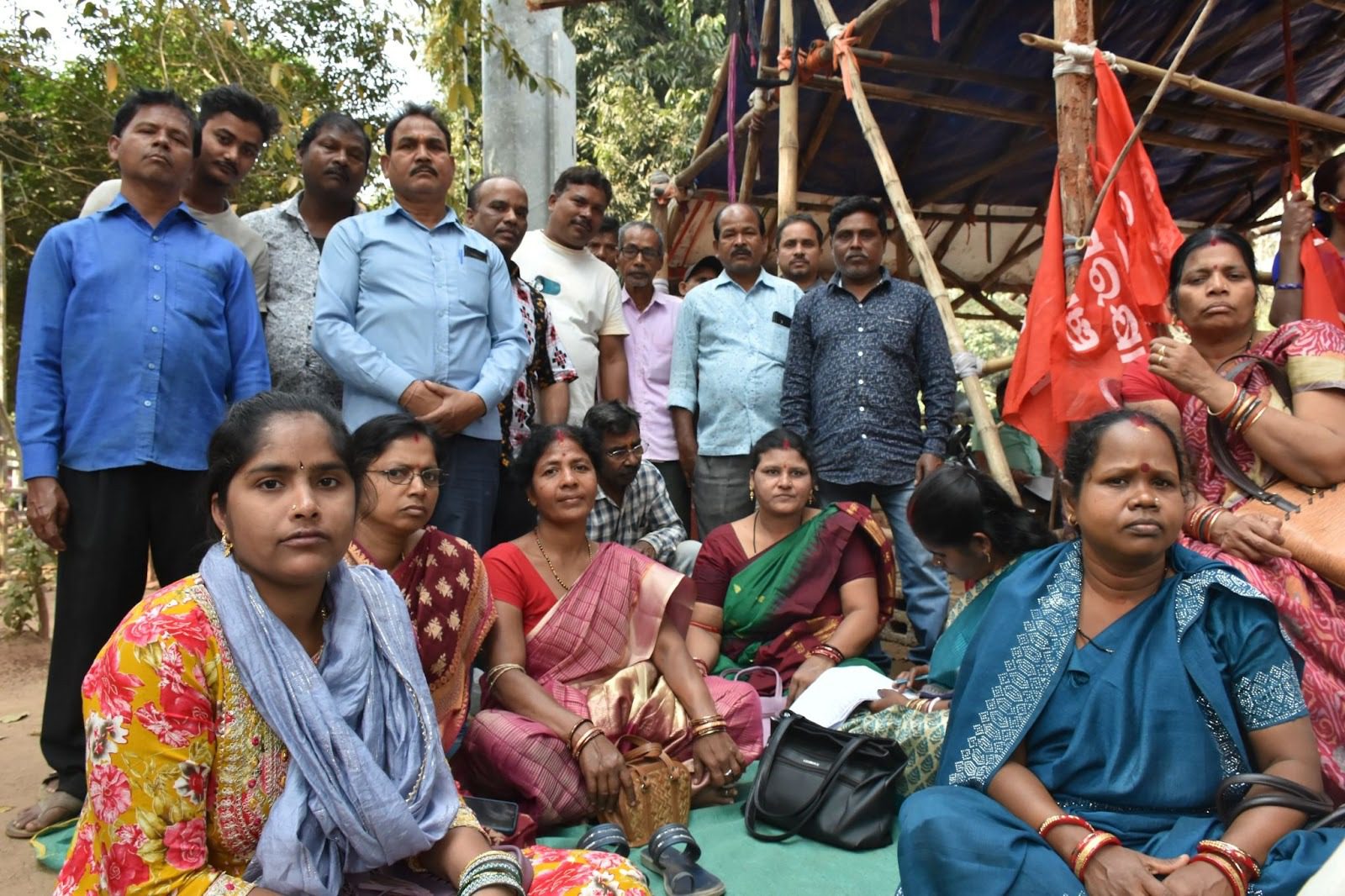
On January 27, Basti Suraksha Manch, a community against the involuntary displacement of slum dwellers by civic bodies like the Bhubaneswar Municipal Corporation (BMC) and the Bhubaneswar Development Authority (BDA), demonstrated against what was repeatedly referred to as “bulldozer-raj” in Bhubaneswar and the state at large. Over 150 residents from nearly 30 bastis across Bhubaneswar remembered the November Salia Sahi demolitions, wherein 556 identified houses were razed, and nearly 12 acres of land were reclaimed for a road project.
The bulldozer-settlement demolition nexus is not a fresh entrant to the Indian governance landscape, but the Housing and Land Rights Network (HLRN) has reported a rising trend of evictions between 2017 and 2023, with over 1.68 million people affected across the country. A 379% increase in the number of evictions is also revealed as part of this report. Certainly, those affected are among the most marginalised in the country, much like the demonstrators at Mahatma Gandhi Marg in Bhubaneswar who happen to be daily wage labourers belonging to OBC, SC, and ST communities, and recall having resided in these bastis for decades.

“For the last 25 years we have been living here, for 20 of them, government officials have been approaching BSM with road and recreational park project ideas that will obviously need our homes to go away”, a resident at the protest shares, refusing to be named.
As rightful inhabitants of settlements, namely Hadabai, Chakesiani, Salia Sahi, among others, the demonstrators collectively resist the development narrative led by the state, given that it inevitably demands forceful evictions from homes. The primary agenda of this sit-in was to hand an official reminder letter addressed to the Chief Minister of Odisha, enlisting a 14-point demand for the rightful security of slum dwellers.

They demand a complete end to bulldozing basti areas, formation of a land right protection committee for inhabitants to advocate for their rightful ownership, due and timely compensation should there be any displacement, fix a time window under which inhabitants will be moved from transit homes into permanent areas, conduct surveys to establish the inhabitants who hold a valid Record of Rights (RoR), among others. Because of the pre-existing housing crisis, dwellers are forced to settle and re-settle in abandoned public lands far from their workplaces, so they also demand rightful ownership of land that is easier to access. Since resistance to such displacement remains recurring, Basti inhabitants have faced several police cases against them, which they also demand to be withdrawn.

The letter asks, “Why did the tribal village of Salia Sahi break down? Answer us”, and expresses that “the inhumane uprooting of slum dwellers with the help of bulldozers for the sake of this development trend is extremely unjust, undemocratic, and illegal.”
Bhubaneswar, being subject to massive road infrastructure upgrades in the last few years, has highlighted the disparity in whose needs are met and who remains excluded. The letter adds that all settlements remain far from connectivity to emergency healthcare access and ambulances with roads only as wide as 10 feet, but the government proposed construction projects for 200-foot roads are authorised with no objections, clearly serving a sector of society that excludes the farmers, daily wage labourers, OBC community members, sanitation workers and migrant urban slum dwellers.

It also points towards the Odisha Municipal Corporation Act 2003, amended in 2022, for land rights of slum dwellers, which seems to have terminated in practice with failed promises of land rehabilitation, due compensation and political accountability. More specifically,y they question the lack of transparency around land ownership, or who to hold responsible for road building or the proposed project of Pramod Udyaan. Residents at the protest site told Maktoob that with the pretence of legal notices authorisingthe bulldozing of basti areas, several of their land registry certificates were deemed invalid by municipality officers on the grounds. They then wonder who exactly the land belongs to and why it can be encroached on for convenience.

As the sit-in dispersed, the questions raised by Basti Suraksha Manch remained deliberately unanswered—about land, legality, and a development model that repeatedly treats the city’s working poor as expendable. Said working poor are the “lifeline” of growing economies. Framed against a national surge in evictions and a local rollback of hard-won land rights under several pre-existing government protection and policies, the protest at Mahatma Gandhi Marg underscored a growing resistance to what residents call “bulldozer-raj”: a governance approach that clears homes faster than it delivers rehabilitation.