When the republic looks away

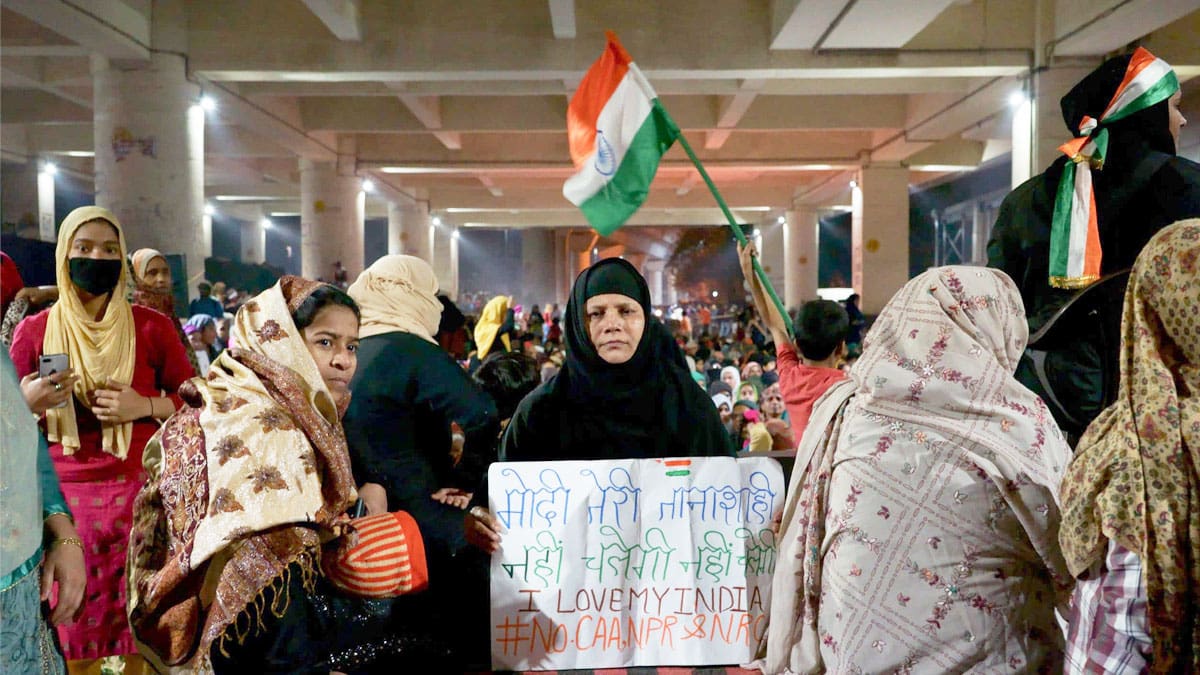
Every year when India celebrates its independence, the language becomes ceremonial and familiar, full of pride, sacrifice, and achievement, yet increasingly disconnected from the everyday lives of millions who are meant to feel included in that celebration, because the idea of freedom that is performed on television screens and political stages now bears little resemblance to the freedom as lived by Muslims, Christians, and other marginalised communities whose citizenship is mediated through suspicion rather than guaranteed by law.
The present moment is often described as one of polarisation or communal tension, but these terms are inadequate because what is unfolding is not merely conflict between communities, but the gradual institutionalisation of suspicion itself as a governing principle, where certain identities are treated as permanent risks to the nation, and where violence no longer needs to appear exceptional to be tolerated.
To understand this transformation, one must look beyond visible acts of brutality such as lynchings, demolitions, or arrests, and instead attend to how meaning is produced and stabilised through media, digital platforms, administrative practices, and cultural rituals, because it is here that entire populations are slowly recast from citizens into problems that must be managed, watched, and disciplined.
Scholars such as Sahana Udupa have shown how contemporary hate operates not only through explicit abuse or calls for violence, but through ordinary, participatory, and often banal digital practices, where memes, videos, forwarded messages, rumours, and algorithmic amplification work together to normalise hostility while allowing those who circulate it to deny responsibility by claiming humour, concern, or patriotism. In this digital ecosystem, hatred rarely announces itself openly; it settles quietly into everyday language, shaping perception long before it shapes action.
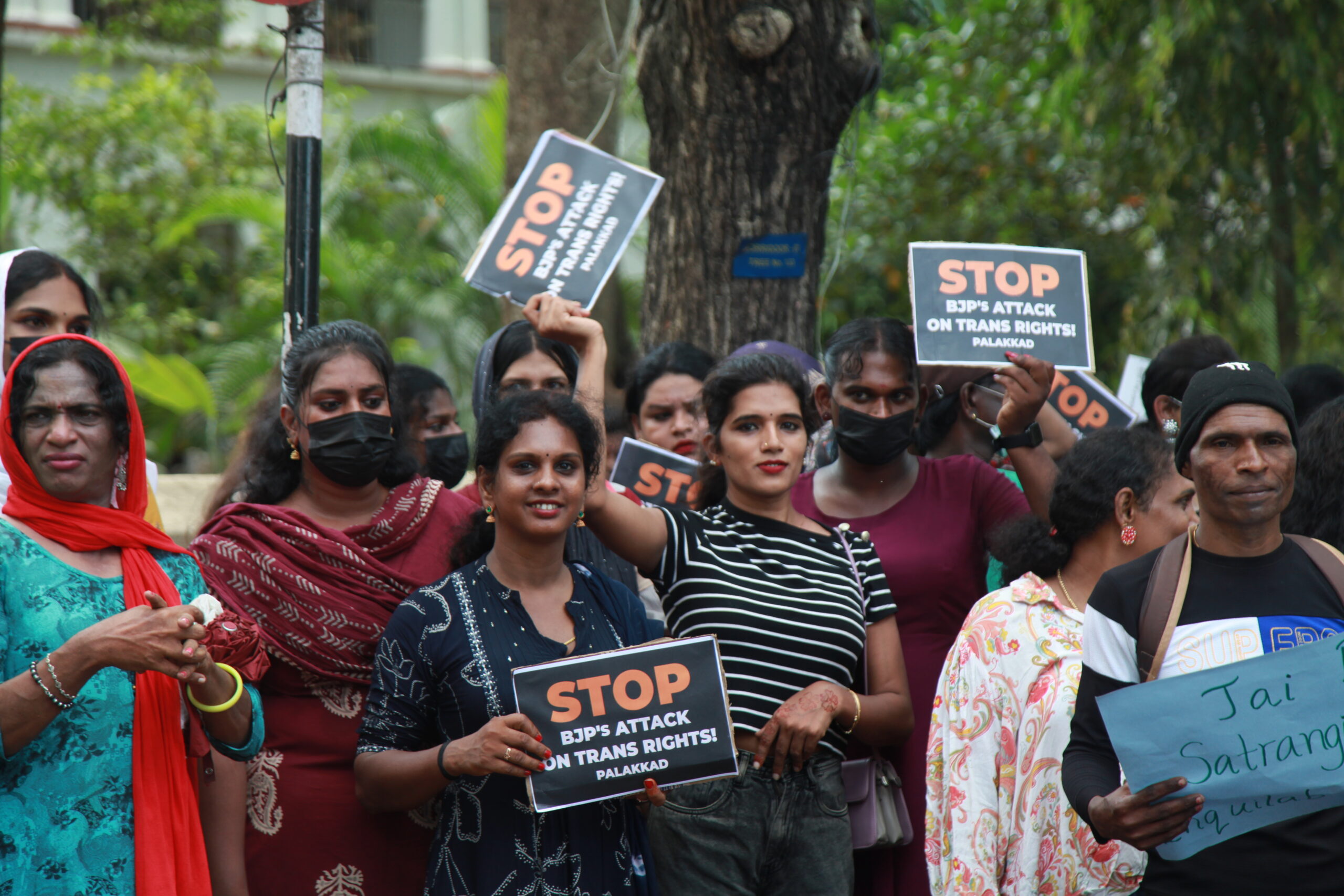
Marshall McLuhan’s idea of the “global village” anticipated this transformation long before the rise of social media, warning that electronic media would collapse distance and reorganise social life around shared, instantaneous communication. In the age of digitalisation, we are no longer merely consumers of ideas or content; we actively produce, circulate, and reimagine them within networked publics, where meaning is shaped collectively and at speed. Political mobilisation under these conditions no longer depends primarily on physical gathering, but is incubated in digital space, where affect, outrage, and identity are assembled before they ever appear on the street. The rise of movements such as PEGIDA and the AfD in Europe, the BJP’s consolidation of Hindu nationalist sentiment in India, and Donald Trump’s mobilisation of the American right all reveal a common pattern: networked spaces now function as the primary sites where fear is cultivated, enemies are named, and loyalty is rehearsed. What appears later as spontaneous mass action is, in reality, the afterlife of sustained digital conditioning, where participation feels voluntary even as imagination itself has been carefully structured.
This digitalisation of hate helps explain why violence against Muslims and Christians today often appears socially sanctioned even when it is legally indefensible, because by the time a mob attacks, a church is vandalised, or a prayer gathering is disrupted, the moral groundwork has already been laid elsewhere, through repeated stories that frame certain bodies as threats rather than as rights-bearing citizens.
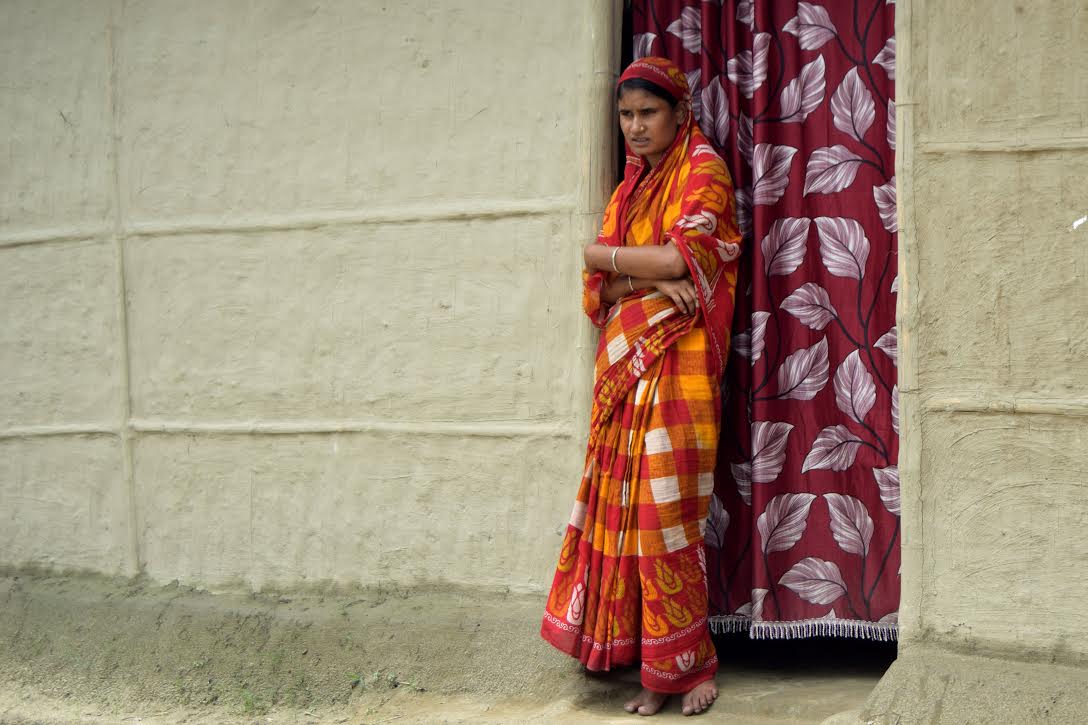
It is in this atmosphere that suspicion replaces evidence, and identity begins to do the work that law is meant to do. The Muslim body, in particular, is read not through conduct but through assumption. A Muslim offering namaz, even within private property, is no longer simply praying but is imagined as asserting dominance. A Muslim voter is not merely participating in democracy but is suspected of manipulation. A Muslim migrant labourer from West Bengal is not seen as a worker but as an infiltrator or Bangladeshi, his presence already burdened with accusations before he speaks.
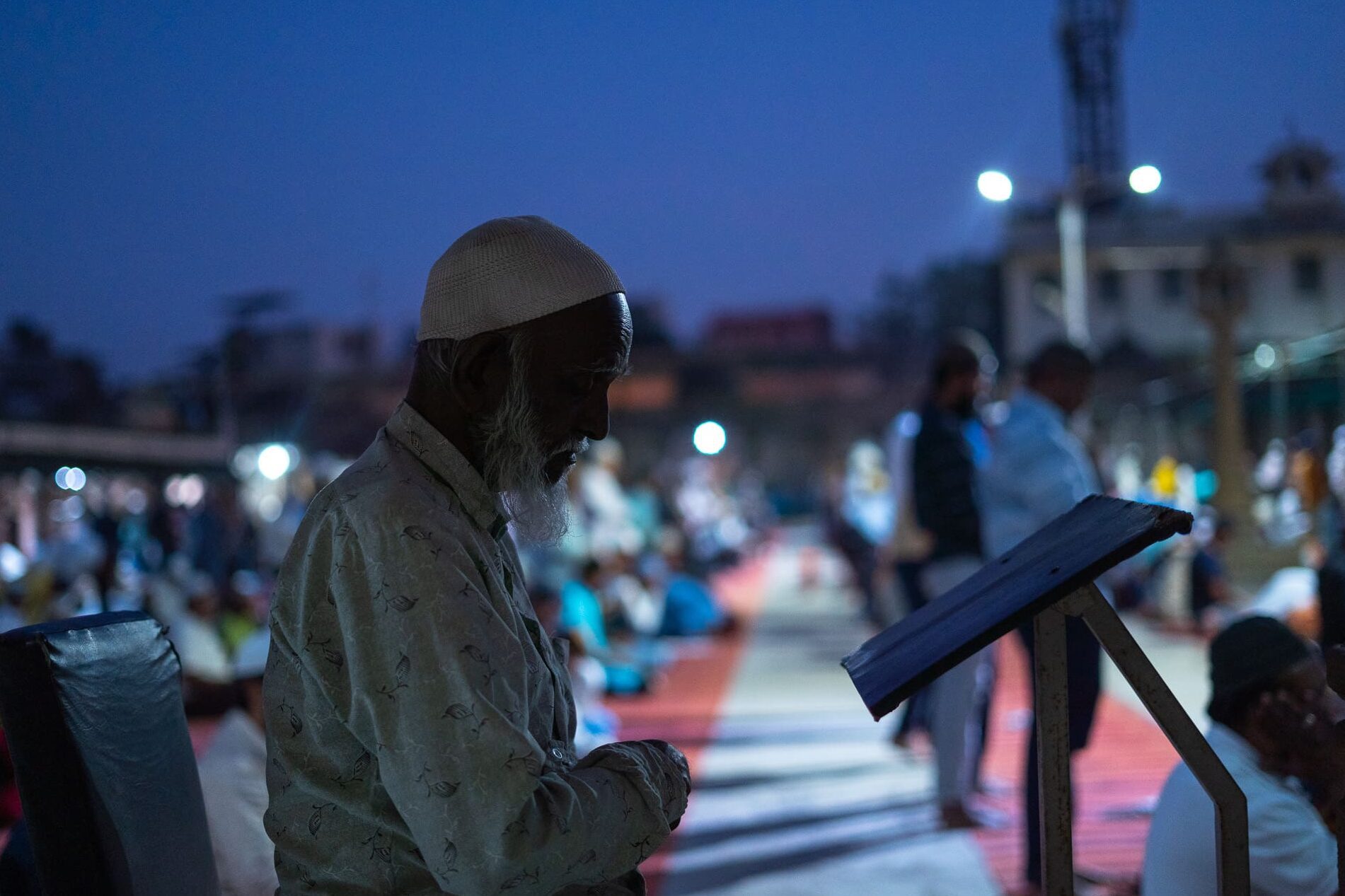
The arrests of people offering namaz inside their homes or on privately owned land must therefore be understood not as isolated administrative excesses, but as part of a wider moral reordering of public life, where Muslim visibility itself becomes intolerable. What is being policed here is not legality, but presence. Prayer becomes suspicious not because it violates the law, but because it asserts belonging.
At this point, comparisons with Europe’s fascist past are often dismissed as exaggerated, yet history does not repeat itself in identical forms, and to reject comparison altogether is to abandon one of the most important tools of political understanding. The current political project of the BJP, which seeks to elevate Vande Mataram into a compulsory marker of national loyalty, mirrors in unsettling ways the processes observed in early twentieth-century Europe, particularly in Nazi Germany.
The Horst Wessel Lied, formalised as the anthem of the Nazi Party, did not function merely as a song, but as a ritualised affirmation of the Volksgemeinschaft—a racial and ideological community in which public performance of allegiance became mandatory, and deviation was read as moral failure and civic betrayal. What mattered was not belief, but compliance. Participation signalled belonging; refusal marked danger.
The parallels, while historically distinct, are structurally revealing. Both Vande Mataram and the Horst Wessel Lied glorified struggle, sacrifice, and devotion to a higher national ideal, and both demanded participation as a visible sign of loyalty rather than as an expression of personal conviction. In Nazi Germany, the inability or refusal to conform to such ritualised norms became an early mechanism of exclusion, preceding marginalisation, persecution, and eventually, systematic annihilation.
India’s trajectory is neither identical nor equivalent, but the symbolic logic is uncomfortably similar. When loyalty is enforced through religiously coded and culturally exclusionary symbols, citizenship itself becomes graded. By compelling citizens to perform allegiance to a particular nationalist idiom, the state constructs a moral hierarchy in which Muslims, Christians, and other minorities are positioned as outsiders by default, their patriotism permanently suspect and never settled.
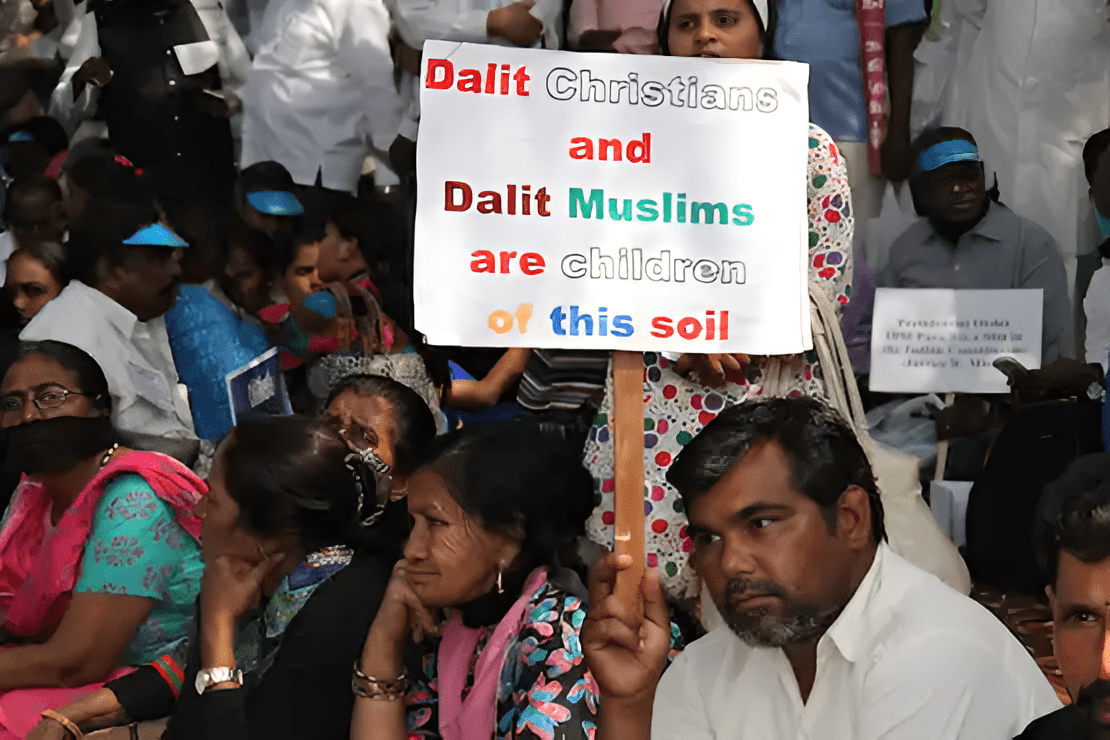
This logic does not remain confined to symbols. It travels outward into everyday governance and ordinary cruelty. In Odisha, Christian pastors have been publicly humiliated, beaten, and forcibly made to eat cow dung while being compelled to chant religious slogans before being attacked, acts that are not merely violent but deeply symbolic, designed to discipline bodies and enforce hierarchies of purity, belief, and power. Christians, like Muslims, are not targeted simply as religious minorities but as political threats, routinely accused of coercive conversions and cultural intrusion, accusations that draw on anxieties about indigeneity, demographic change, and the imagined fragility of a Hindu civilisational core. Through anti-conversion laws and vigilante narratives, ordinary acts of prayer, charity, or gathering are recast as subversive, allowing violence to appear as defence rather than aggression. These are not spontaneous eruptions of anger, but performances of dominance made possible by years of narrative work that frame Christians as infiltrators and manipulators rather than as citizens entitled to constitutional protection.
Theodor Adorno warned that authoritarian societies rely not only on terror, but on the gradual conditioning of people to accept rigid categories of belonging, to distrust difference, and to find emotional comfort in conformity. Violence, in such contexts, becomes thinkable long before it becomes visible. When obedience is celebrated as virtue and dissent is framed as danger, cruelty no longer appears as cruelty, but as order.
This conditioning is visible in how mobs act with confidence, how institutions hesitate or look away, and how media narratives search for justification when minorities are harmed. It is also visible in the quiet exhaustion of those who live under permanent suspicion, who learn to calculate their movements, words, and silences, not because they have done something wrong, but because they know how easily innocence can be overwritten.
India’s independence promised equality without performance, dignity without hierarchy, and citizenship without conditions. Yet when prayer invites arrest, when food invites death, and when loyalty must be constantly demonstrated through ritual and slogan, freedom begins to disappear not through the removal of laws, but through their selective application.
If Muslims today must negotiate safety before exercising rights, if survival requires silence rather than speech, and if belonging remains endlessly deferred despite constitutional guarantees, then the most urgent question is not how loudly the nation celebrates its freedom, but whether the Constitution still exists as a lived reality, or whether it has quietly retreated into text, leaving those it was meant to protect to ask what freedom means when fear has become an everyday condition of citizenship.
Ismail Salahuddin is a researcher and columnist based in Delhi and Kolkata. His work explores Muslim identity, communal politics, caste, and the politics of knowledge. He studied Social Exclusion and Inclusive Policy at Jamia Millia Islamia. His writings have appeared in The Caravan, Al-Jazeera, The Frontline, The Wire, Middle East Monitor, Scroll, Outlook India, Muslim Mirror, Maktoob and among others.