Former Sri Lankan intelligence chief arrested over 2019 Easter attacks

Sri Lanka’s criminal investigators have arrested former State Intelligence Service (SIS) chief Retired Major-General Suresh Sallay in connection with the 2019 Easter Sunday bombings that killed 279 people and severely impacted the country’s tourism-dependent economy, police officials said.
Sallay was taken into custody early Wednesday at a suburb of the capital, Colombo.
Investigators said he was arrested on charges of conspiracy and aiding and abetting the coordinated suicide attacks, which also injured more than 500 people and killed 45 foreign nationals.
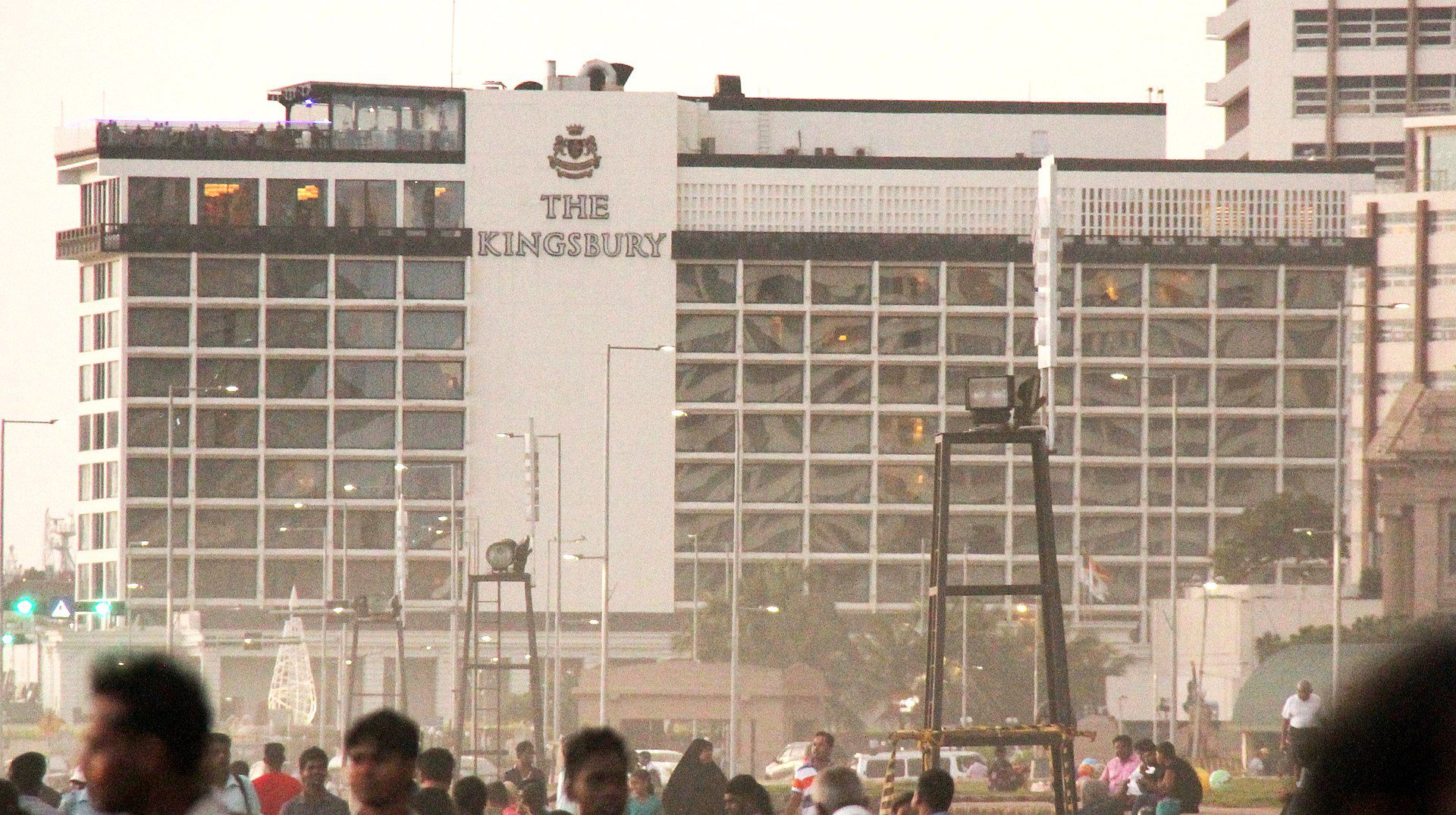
The devastating bombings targeted churches and luxury hotels across the island nation, triggering political upheaval and international scrutiny. Authorities initially blamed a local extremist group for carrying out the attacks, but allegations later emerged suggesting possible intelligence failures and deeper political links.
In 2023, British broadcaster Channel 4 aired an investigative report alleging that Sallay had prior contact with the attackers.
A whistleblower claimed the attacks were allowed to proceed to influence the 2019 presidential election in favour of Gotabaya Rajapaksa, who announced his candidacy days after the bombings and later won the election on a strong national security platform.
Following Rajapaksa’s victory, Sallay was appointed head of the SIS. He remained in the position until 2024, when the newly elected President Anura Kumara Dissanayake removed him from office, pledging accountability for those responsible for the attacks. Sallay has consistently denied all allegations against him.
Separate investigations have highlighted serious lapses by state authorities, including failure to act on warnings from Indian intelligence agencies about an imminent attack.
In 2023, Sri Lanka’s Supreme Court ruled that former President Maithripala Sirisena and several senior officials had failed to prevent the bombings, ordering them to pay compensation to victims’ families.
The United Nations has also urged Sri Lanka to release previously withheld findings from earlier investigations into the attacks, as questions surrounding accountability and political responsibility continue to persist nearly seven years after one of the deadliest incidents in the country’s history.
Mohamed Nizam Kariapper, President’s Counsel and Sri Lankan Member of Parliament, said the arrest of former intelligence chief Suresh Sallay amounted to an “official acknowledgement” that the 2019 Easter Sunday bombings were not simply acts of religious extremism.
According to Kariapper, the attacks appeared to be “a carefully orchestrated operation in which religious fanaticism was exploited for unethical and unacceptable political objectives,” an allegation he described as an “open secret” in the country. He noted that it was natural for those who politically benefited from the aftermath of the attacks to feel alarmed by the latest developments, expressing hope that the “big boss” behind the operation would now be exposed.