World leaders hail US–Iran ceasefire, urge sustained peace efforts

Countries around the world have welcomed the United States and Iran’s agreement on a two-week ceasefire, with negotiations set to begin in Islamabad on Friday based on Tehran’s 10-point proposal.
Iraq’s Ministry of Foreign Affairs welcomed the ceasefire but stressed that both sides must remain committed, urging “full commitment” to the deal and warning against “any escalations,” as the country continues to be affected by the conflict.
Egypt described the truce as a “very important opportunity” for diplomacy, calling for “stopping military operations” and respecting freedom of navigation, while emphasising that talks must address the “legitimate security concerns” of Gulf nations.
Oman welcomed the agreement and called for intensified efforts to achieve a “permanent cessation” of hostilities.
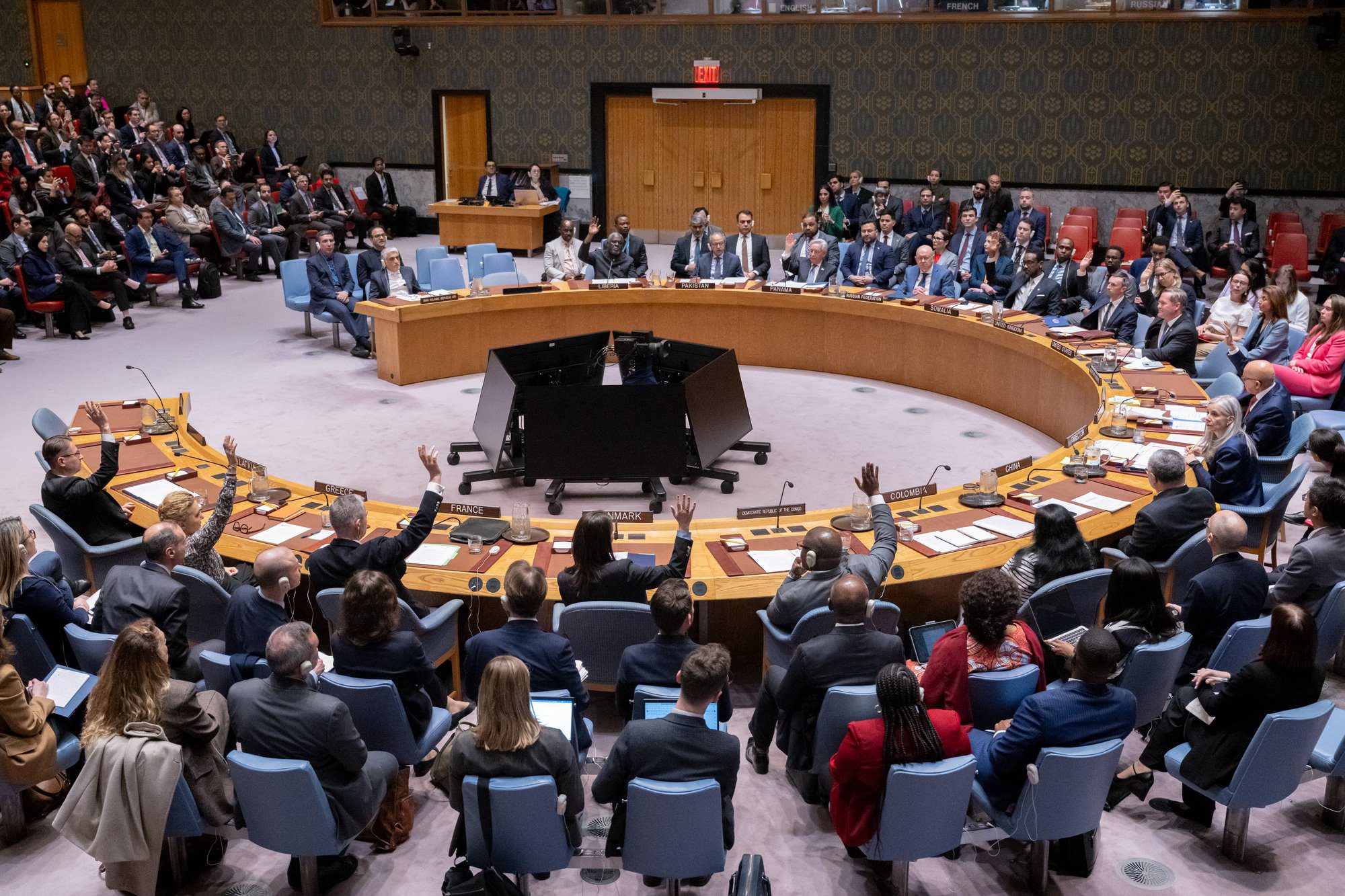
The United Nations, through Secretary-General António Guterres, urged all parties to abide by the terms of the ceasefire to pave the way for “lasting and comprehensive peace” and stressed that ending hostilities is urgently needed to “protect civilian lives.”
In Asia, Japan called the ceasefire a “positive move,” while Indonesia urged respect for “sovereignty, territorial integrity and diplomacy,” also calling for an investigation into the deaths of its UN peacekeepers in Lebanon. Malaysia described the agreement as a “significant development” and a step towards restoring “peace and stability,” urging all sides to implement the deal in “good faith.”
Australia warned that the conflict has caused “unprecedented energy supply shocks,” while New Zealand said there is still “significant work” needed to secure a lasting ceasefire.
Germany called for a “lasting end to war” through diplomacy, while Ukraine urged similar “decisiveness” in ending its own conflict.
Meanwhile, Keir Starmer welcomed the agreement as bringing “relief” to the region and called for efforts to “support and sustain this ceasefire” and turn it into a lasting settlement.
Iran’s Foreign Minister Seyed Abbas Araghchi said the decision was made in response to diplomatic efforts, including those by Shehbaz Sharif.
He stated that if attacks on Iran stop, its armed forces will cease defensive operations, and confirmed that safe passage through the Strait of Hormuz would be allowed for two weeks under coordination with Iranian forces.
Trump described the ceasefire as a “total and complete victory,” claiming that US military actions created the leverage needed for negotiations and ensured the reopening of the key waterway.
Trump said that the US has received a 10-point proposal from Iran, “and believe it is a workable basis on which to negotiate”. The US and Iran have agreed on “almost all of the various points of contention”, he said, and that the two-week period will allow the agreement to be “finalised and consummated”.
White House Press Secretary Karoline Leavitt said the ceasefire reflected US strategic success and opened the door for a diplomatic solution.
Pakistan’s Prime Minister Shehbaz Sharif said an “immediate ceasefire” had been agreed upon, thanked the US and Iran, and invited their delegations to Islamabad on April 10 for further talks toward a final settlement.
“Both parties have displayed remarkable wisdom and understanding and have remained constructively engaged in furthering the cause of peace and stability,” he said, hoping that “The ‘Islamabad Talks’ succeed in achieving sustainable peace and wish to share more good news in coming days!”
According to Fars News Agency, Iran’s proposed framework for talks includes commitments not to develop nuclear weapons, the lifting of sanctions, withdrawal of US forces from the region, compensation for war damages, and a regulated passage system through the Strait of Hormuz.
The plan also calls for the release of frozen Iranian assets and formal ratification through a UN resolution.
Iran’s Supreme National Security Council said the ceasefire was accepted after achieving “almost all the goals of the war,” and that negotiations aim to consolidate these gains politically.
Benjamin Netanyahu welcomed the ceasefire but clarified that it does not apply to Lebanon, indicating that Israeli operations there will continue.
He reiterated Israel’s position on preventing Iran from becoming a nuclear or missile threat.
However, Pakistan Prime Minister Shehbaz Sharif stated that the ceasefire would also include Lebanon.
The outcome of the upcoming talks in Islamabad is expected to determine whether the temporary ceasefire can lead to a longer-term resolution.
The ceasefire will also see Iran reopen the Strait of Hormuz, a vital maritime corridor through which a fifth of the world’s oil supply passes.
Iran’s partial blockade of the strait, imposed in the aftermath of the US and Israel’s attacks on February 28, has disrupted global trade, driving up oil prices and causing fuel shortages across the world.
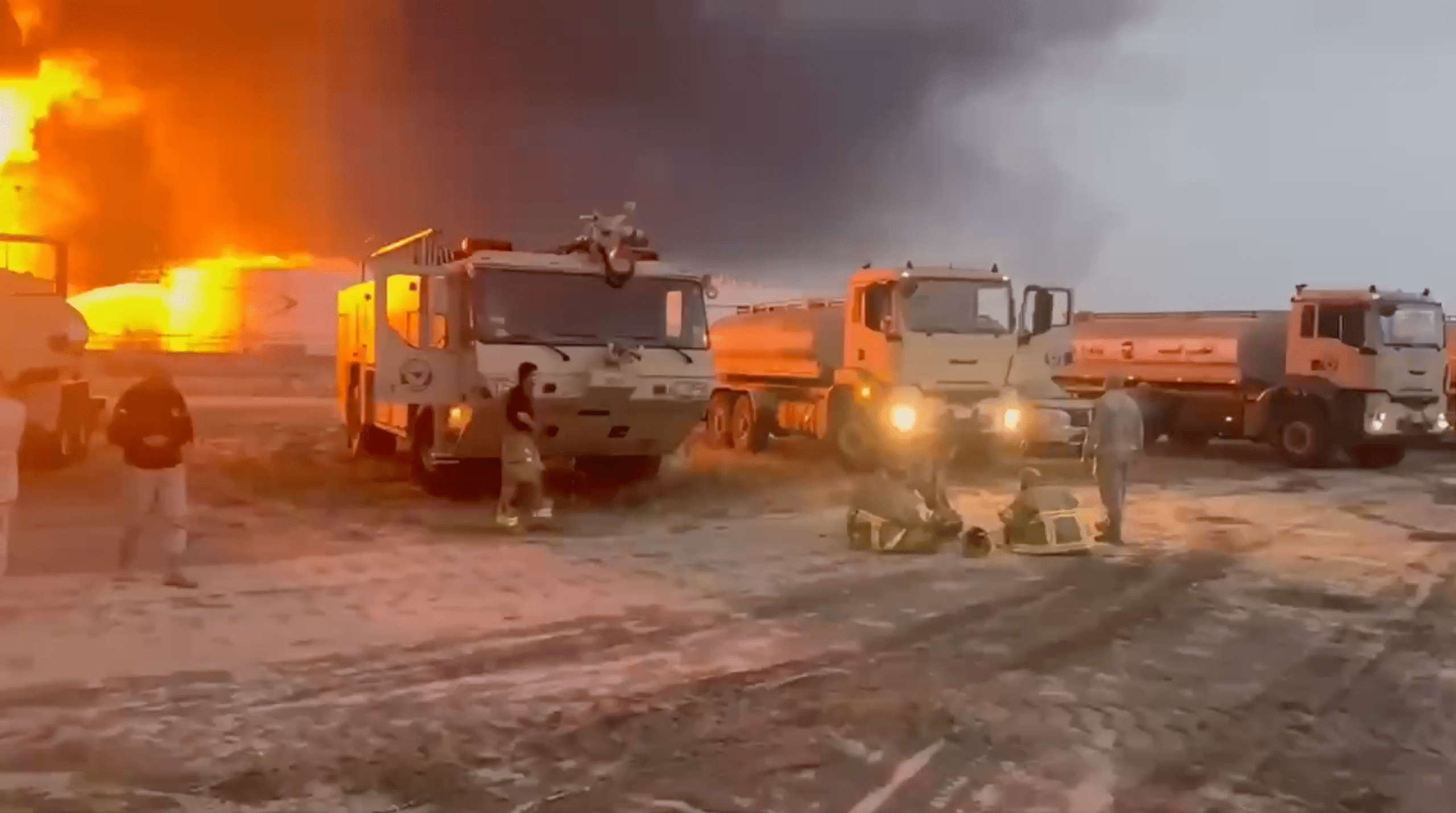
Iran’s retaliatory attacks have also reverberated across the Gulf and drawn in Lebanon’s Hezbollah and Yemen’s Houthis, both of which have launched attacks on Israel, significantly widening the conflict.