Changing village names, China accused of uprooting Uyghur religion, Culture

Human Rights Watch, along with the Norwegian advocacy group Uyghur Hjelp, analyzed official data from 2009 to 2023 and identified 630 villages in Xinjiang that had undergone name changes in a bid to erase their Uyghur character.
The report found that terms referencing Uyghur history, religion, and culture were replaced with generic names like "Happiness," "Unity," and "Harmony," which align more closely with Chinese Communist Party ideology.
The names of about 3,600 of the 25,000 villages in Xinjiang were changed during this period. About four-fifths of these changes appear mundane, such as number changes, or corrections to names previously written incorrectly. But the 630, about a fifth, involve changes of a religious, cultural, or historical nature.
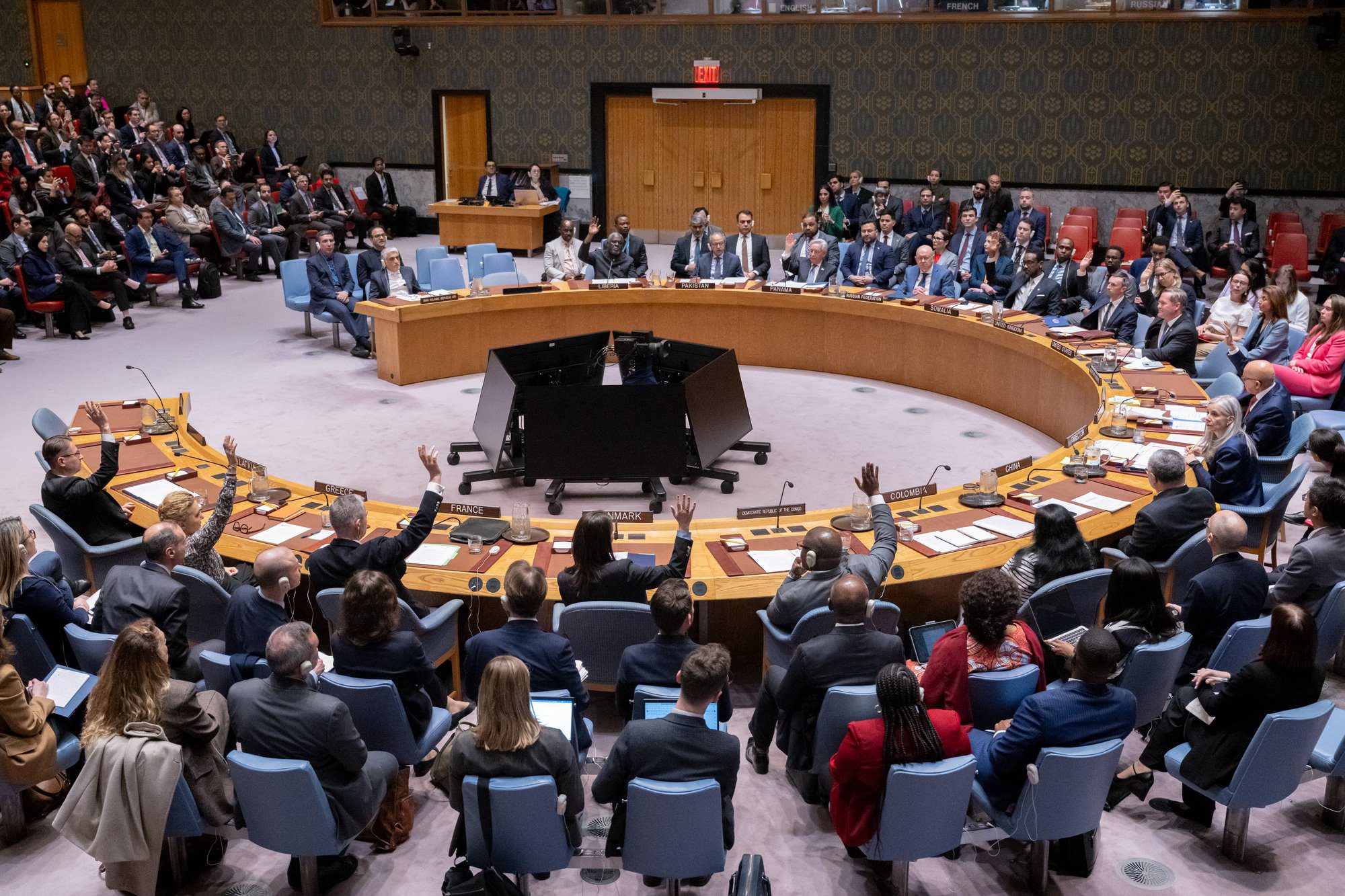
In August 2022, the Office of the UN High Commissioner for Human Rights (OHCHR) issued a report concluding that Chinese government abuses in Xinjiang “may constitute international crimes, in particular crimes against humanity.”
While foreign governments have condemned Beijing’s policies in Xinjiang, and some have imposed targeted and other sanctions on Chinese government officials, agencies, and companies implicated in rights violations, these responses have fallen short of the gravity of Beijing’s abuses, Human Rights Watch said.
HRW stated that because of a lack of access to Xinjiang, the full impact of the village name changes on people’s lives is unclear.
Maya Wang, acting China director at Human Rights Watch, stated that these name changes are part of a larger attempt to erase Uyghur cultural and religious expressions. Interviews with Uyghurs affected by the changes revealed the deep impact it has had. One villager struggled to return home after being released from a re-education camp because the former village name was no longer recognized by the ticketing system. Another villager expressed his loss through a poem and song dedicated to the now-vanished place names.
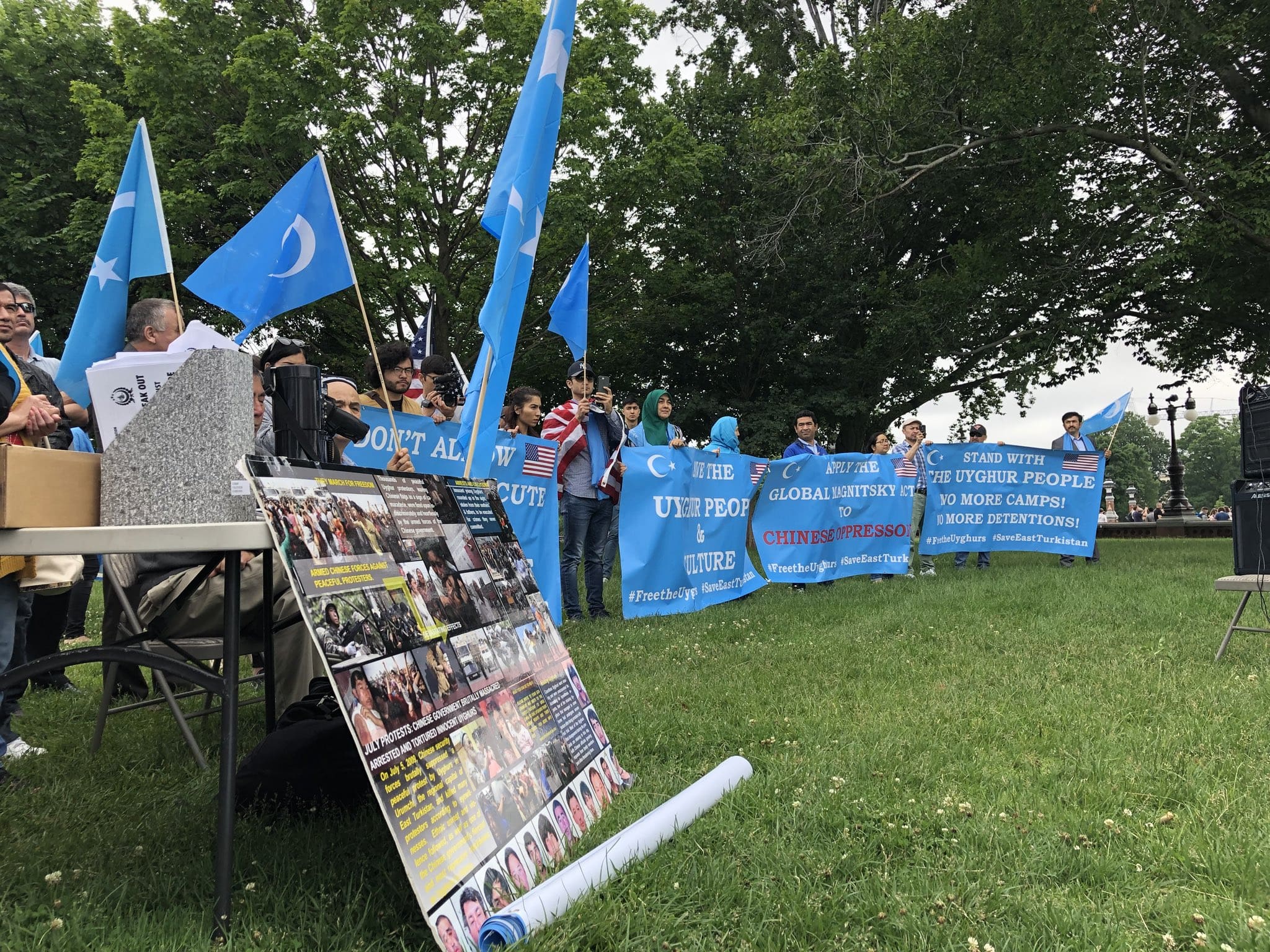
China's policies in Xinjiang have been under scrutiny since 2018 when the United Nations reported that over a million Uyghurs and other Muslim minorities were being held in re-education centres.
Leaks, investigations, and Uyghur testimonies revealed additional alleged human rights abuses, including forced sterilization, family separation, and suppression of religious practices.
The Human Rights Watch report indicates that most name changes occurred between 2017 and 2019, coinciding with the peak of the crackdown in Xinjiang.
Abduweli Ayup, founder of Uyghur Hjelp, urged the international community to take a stronger stance against China's actions in Xinjiang and press for accountability for the ongoing abuses.
Article 27 of the International Covenant on Civil and Political Rights, which China has signed but not ratified, states that, “In those States in which ethnic, religious or linguistic minorities exist, persons belonging to such minorities shall not be denied the right, in community with the other members of their group, to enjoy their own culture, to profess and practice their own religion, or to use their own language.”