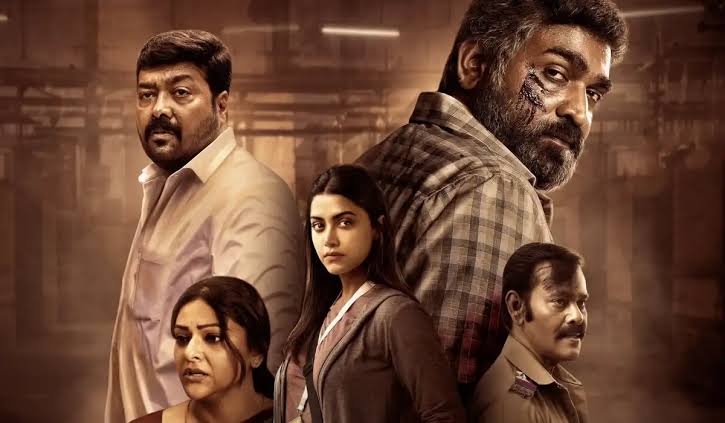
Maharaja shows Appa pasam never runs short of selling tickets

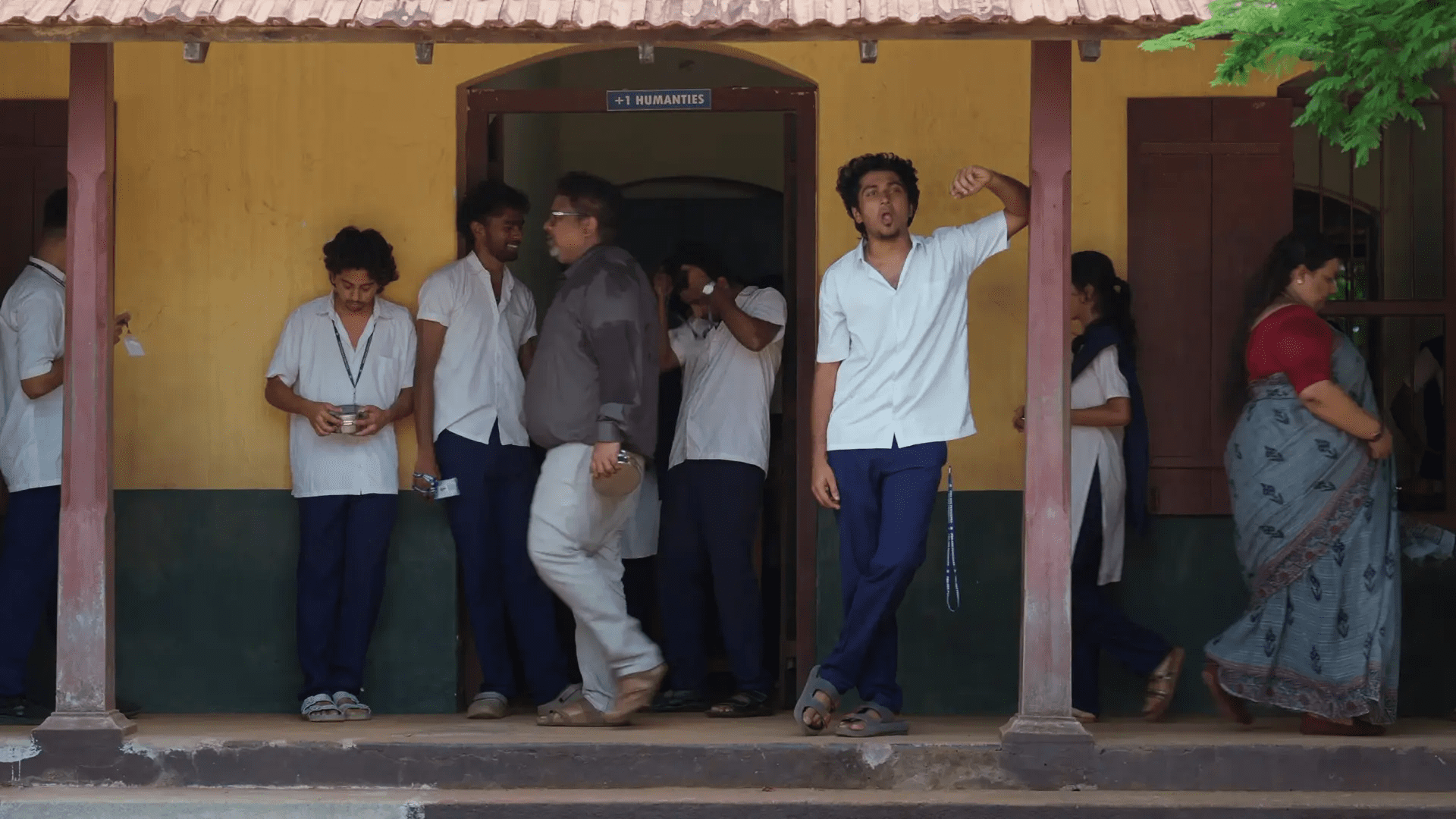
I went to watch Maharaja, Nithilan Swaminathan’s second directorial effort, after hearing raving reviews on how it has re-invented the commercial thriller genre in the presently stagnant Tamil box-office. However, I was disappointed by the movie even if it gave me a few highs in a packed theatre that whistled and clapped for the movie’s vigilante justice system. In that regard, Maharaja, this year’s blockbuster and Jailer, last year’s highest grosser, are similar for me in many ways.
Film portrays Vijay Sethupathi as a vigilante figure with “pillar-moving” herculean strength. It reminded me so much of Lokesh Kanakaraj’s Master where Sethupathi played the villain Bhavani whose conviction and thirst for power made him a comic inspired superhero with brute strength on right hand. Here, it’s moreover the same, but it’s Sethupathi’s acute sense of justice and his unconditional love for his daughter that gives him the superpower to assimilate those on his way.
The film’s success, both critical and commercial, was attributed to its screenplay. The screenplay makes use of a non-linear narrative to hook its audience till the end. While the non-linear narrative is executed well, it largely serves two purposes. One, to serve as a cinematic shock in the end and to conceal the flaws in its screenplay.
What makes the movie actually work is the successful, almost formulaic, familial emotions that’s seen almost in every other Indian commercial movie. This trope is so repetitive that funny bones on the Internet have coined a name for it, “Amma pasam/Thankachi Pasam”, meaning Love for mother/sister. This rather genius troll subtly implies the laziness of Indian film writers and their inability to create organic emotions on screen that goes beyond weak woman characters.
Are violence against women and children touted as a new trope to guarantee emotional response from the audience?
Violence against women and children always takes the form of sexualisation, whether such portrayals mirror societal realities or serve merely as superficial plot devices remains a point of contention. Nonetheless, when handled deftly, these themes undeniably provoke a cathartic response from audiences, many commercially successful movies have enthusiastically used this trope in recent years.
For instance, the Malayalam thriller Kannur Squad, features scenes similar to H. Vinoth’s acclaimed film Theeran Adhigaram Ondru, depicting brutal home invasions and sexual violence against women. Master depicts horrifying violence against children, even showing them in a state of hanged. B Unnikrishnan’s Christopher too has many several sexual assaults brutally visualised, absolutely lacking any sort of sensitivity. Although these scenes are pivotal to the plot, filmmakers often depict them in the most gruesome manner possible to deliver a climactic sense of ‘justice/revenge.’ The abuse serves as the setup, with revenge as the payoff—an approach that, more often than not, feels forced rather than subtle. Chithha, a Tamil movie by S.U. Arun Kumar, is another such movie that many couldn’t sit through to the end due to the violence against children in it. I haven’t watched the movie, however, this movie was cited by many on twitter as using this particular trope.
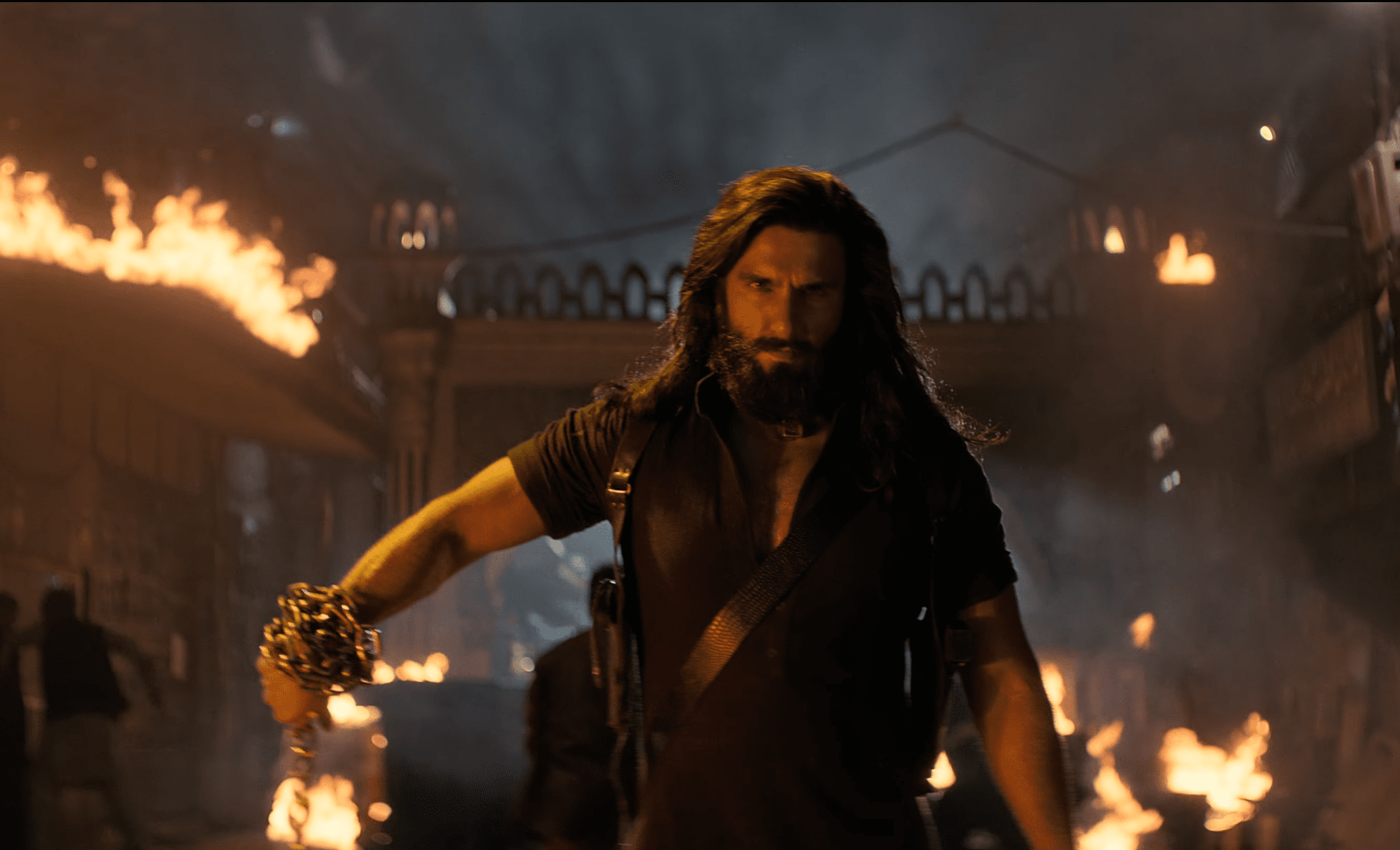
Maharaja does the same, it doesn’t shy away in showing violence on screen, be it the critically injured Sethupathi or the countless goons he swats like flies or even the brutal decapitation of a villain. These scenes are meant to evoke sympathy and mob psyche of justice. However, the rape scenes are merely tropes to hurt a father who is ‘unmovable’ by any other sort of violence. As film critic Noah Berlatsky said, “Women are the victims of sexualized violence, which means they’re seen as innately vulnerable and unheroic. Violence is done to them and for them. They are the erotic stimulus to someone else’s story. Men, on the other hand, are not victims – even when they are on the receiving end of violence”
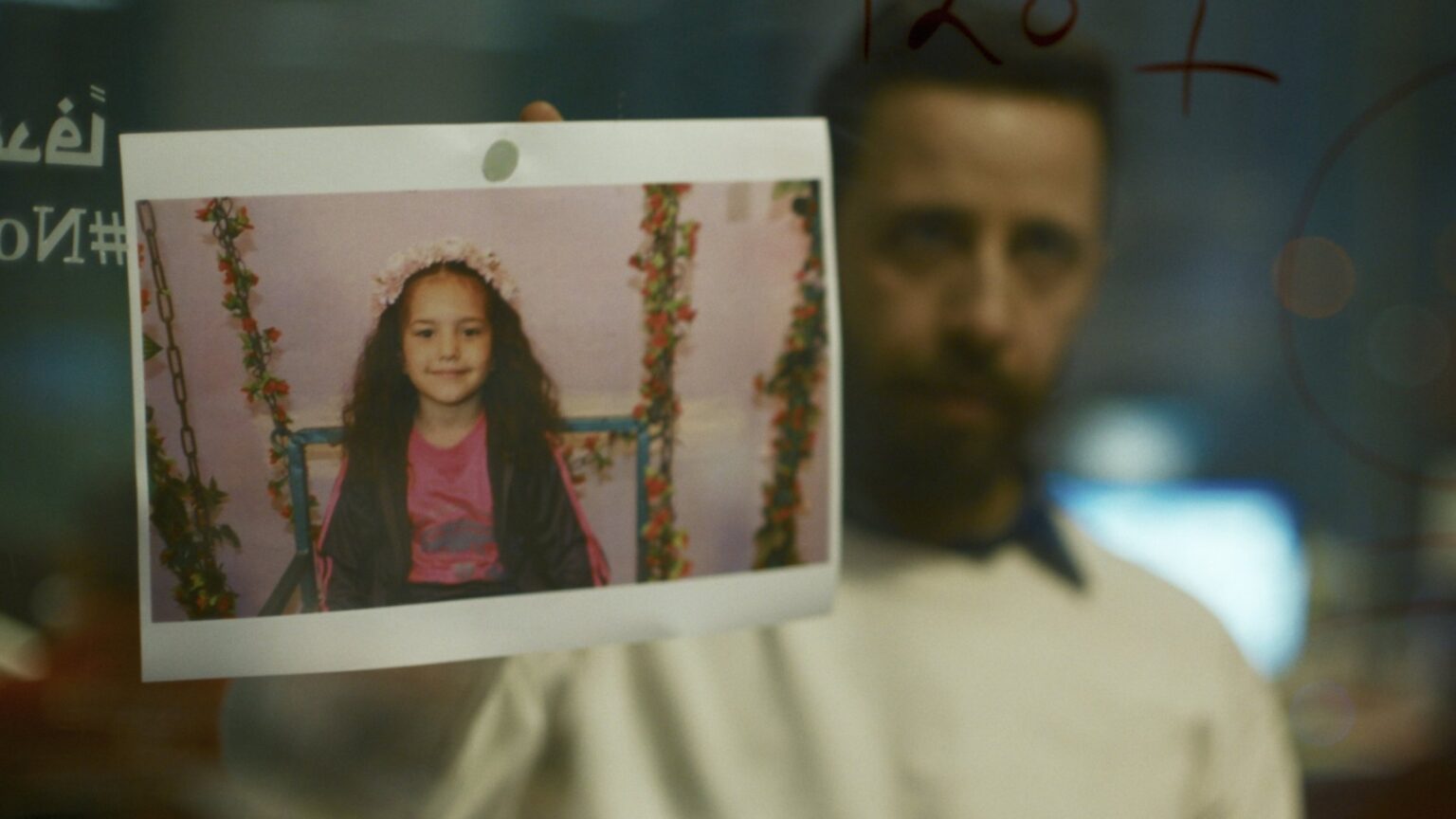
To make the act unforgivable and the abusers unabsolvable, Maharaja forces the daughter to be abused again, thereby depriving them of any cinematic pardon. This particular scene irked me as it felt more like the director’s excuse than a plot necessity.
However, Anurag Kashyap’s antagonist doesn’t rape his victims, he only enables his partners by giving them his nod. His sadistic joy comes from the fact Sethupathi won’t be able to live with the ‘truth’ that his daughter has been sexually abused. It’s the same ‘truth’ that makes him take his own life when, under a twist of events, he realises that it was his daughter all along. This borderline incestuous shock, both to the audience and Anurag Kashyap’s character, adds to the uncomfortable eeriness in the audience. The film ends there and the audience are left with this shock, an uncomfortable one too, hard to process in a society like ours. I was reminded of the Malayalam movie Iratta, which also relied heavily on this climactic shock to compensate for a loosely woven cinematic plot. Both the movies demand the audience’s curiosity from the start and answer the ‘why?’ with this shock. It’s almost as if both the films took inspiration from Phoebe Waller-Bridge’s famous words and twisted it to “Punch the audience in the gut with shock when they least expect it”. This raises the question: is this all we are supposed to take home from the cinema?
For a movie celebrated for tight screenplay, it relies heavily on divine intervention to fill in the plot holes. The freaky accident that connects a simpleton’s life with that of a ruthless murderer also serves as a divine intervention that changes the former’s life. This divine intervention comes again in the end, this time as punishment for the villain in the form of knowledge. Here, the movie takes inspiration from the 2003 South Korean Thriller Oldboy in which knowledge becomes a burden, a punishment that one wants to be relieved of. Hence, Oldboy ends with the character’s request to remove him from knowledge (memory of an incestuous act). Maharaja lacks such nuance, and this loose writing works against what is otherwise a brilliant movie, particularly in terms of its visual quality.
At least for me, Maharaja didn’t re-invent the commercial thriller genre, but yes, it did re-pack the good old trope of violence against women, in a damn good new bottle! However, It’s a delight to watch Vijay Sethupathi perform at what he is good at, that which earned him his title Makkal Selvan!