Paris Olympics 2024 sparks debate over ‘sexist’ women’s sports kits

As the world watches the Paris 2024 Olympics, the spotlight on women’s sports attire has intensified, sparking heated discussions about gender equality, comfort, performance, cultural norms and religious freedom.
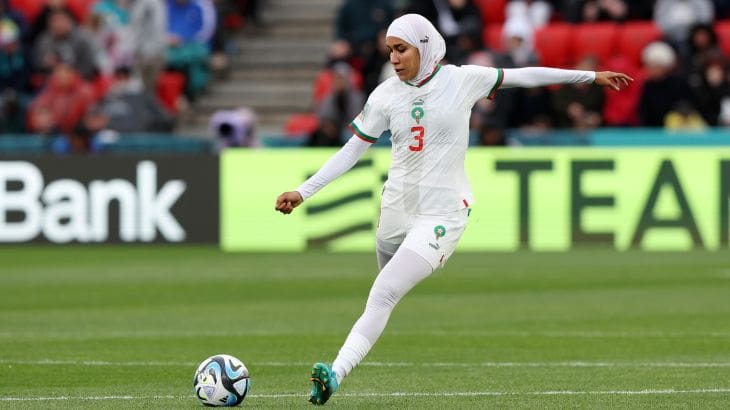
The controversy surrounding the official Nike kits for American women athletes, as well as France's decision to bar its sportswomen from wearing the Hijab, underscores a broader debate about the autonomy of female athletes.
Criticism of Nike’s olympic kits
In April this year,, Nike unveiled its kits for the US track and field teams competing in the Paris Olympics. The men’s kit consists of a tank top and shorts, while the women’s kit is a high-cut leotard. The stark difference has drawn ire from female athletes and commentators alike.
US track and field athlete Lauren Freshmen described the women’s kit as "a costume born of patriarchal forces" in an Instagram post. Jaleen Roberts, a US Paralympic athlete, echoed these sentiments, highlighting the impracticality and discomfort of the design. A commentator on Nike’s Instagram page decried the outfit as treating women as "second-class citizens."
France’s Hijab ban
Meanwhile, the French government has faced criticism for its decision to bar its sportswomen from wearing the Hijab during the Olympics. This decision comes despite the International Olympic Committee (IOC) allowing international athletes to wear the Hijab. Critics argue that the ban is part of a broader trend of using France’s tradition of laïcité (secularism) to marginalise Muslim women.
Timothee Gauthierot, a basketball coach in Paris, noted that the discrimination against Hijab-wearing athletes in France discourages them from pursuing professional sports careers. This issue is compounded by existing laws that ban the headscarf and the Abaya in public schools.
Historical context and ongoing struggles
The debate over women’s sports attire is not new. Historically, female athletes have had to fight for their right to wear clothing that suits their comfort and performance needs. From the England women’s cricket team’s transition to trousers in 1997 to Serena Williams’s controversial catsuit at the 2018 French Open, women have consistently challenged restrictive dress codes.
In recent years, notable examples include the Norwegian women’s beach handball team, who were fined for wearing shorts instead of bikini bottoms in 2021, and the German women’s gymnastics team, who opted for ankle-length bodysuits at the 2020 Tokyo Olympics to protest against overly revealing uniforms.
Impact on participation and performance
Research indicates that restrictive and uncomfortable sports uniforms can deter women from participating in sports.
A survey by Massey University in New Zealand found that the design of sports kits could increase female athlete anxiety, particularly regarding body image and the visibility of menstrual blood and underwear.
Similarly, research by English hockey player Tess Howard at Durham University revealed that gendered sports kits like skirts often cause teenage girls to drop out of sports due to body image concerns.
As the debate continues, there is a growing call for sports governing bodies, sponsors, and other stakeholders to adopt a more thoughtful and inclusive approach to women’s sports attire.
Kelly Leighton from the Women’s Sports Foundation emphasised that clothing should empower athletes to perform their best, rather than overshadowing their efforts or subjecting them to undue scrutiny.