A global imperative to understand Great Nicobar Development Project

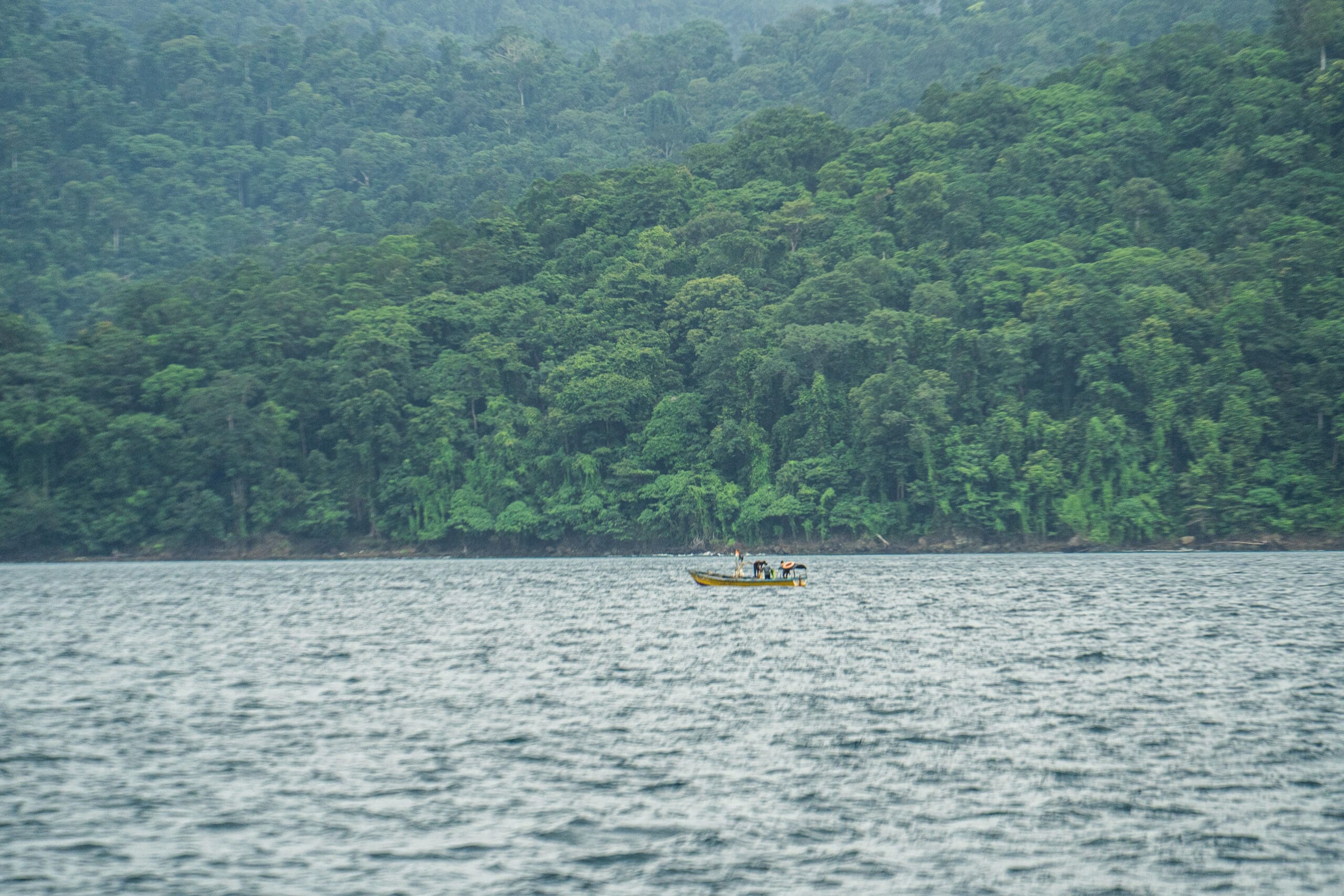
The Andaman and Nicobar Islands, a breathtaking archipelago in the Indian Ocean, are a sanctuary of pristine natural beauty. Nestled amidst turquoise waters and lush rainforests, these islands are home to some of the world's most unique ecosystems and indigenous tribes, including the Great Andamanese, Sentinelese, Onge, Jarawa, Nicobarese, and Shompen. These native communities have thrived here for millennia, living in harmony with nature. However, the fragile paradise of the Andaman and Nicobar Islands now faces unprecedented threats, challenging us to protect its enchanting landscapes and irreplaceable cultural legacy before they are lost forever.
A controversial proposal for a massive development initiative in the Andaman and Nicobar Islands has ignited a firestorm of debate and deep concern among environmentalists, indigenous rights advocates, and residents. The ambitious project, aimed at transforming Great Nicobar into a bustling commercial and tourist hub, has drawn sharp criticism for its potentially devastating impacts on the island's unique ecosystems and indigenous communities.
Proponents of the project argue that the development scheme, which includes plans for a town, shipping port, international airport, and power plant, promises significant economic growth and infrastructure enhancement for the region. Opponents contend that such progress comes with a heartbreaking price, sacrificing the islands' delicate natural environment and rich cultural heritage.
Environmental experts are sounding the alarm over the potential destruction of Great Nicobar's pristine rainforests, home to a stunning array of plant and animal species. The proposed construction and urban expansion could lead to irreversible habitat loss, soil degradation, and a heartbreaking disruption of local ecosystems, posing a grave threat to biodiversity and ecological balance.
Moreover, the indigenous Shompen people face severe socio-cultural upheaval due to this development project. The Shompen, a vulnerable tribe with a traditional hunter-gatherer lifestyle, rely on the forests of Great Nicobar for their sustenance and cultural practices. The influx of outsiders and industrial infrastructure into their territories could result in displacement, loss of cultural identity, and further marginalization, tearing apart the very fabric of their existence.
Critics of the development plan have highlighted the lack of meaningful consultation with local stakeholders, particularly indigenous communities, whose voices and concerns have been heartbreakingly overlooked in the decision-making process. Calls for greater transparency, participatory governance, and respect for indigenous rights have echoed across the islands, as residents and activists demand a more inclusive and sustainable approach to development.
The future of the Andaman and Nicobar Islands hangs in the balance as stakeholders grapple with the complex challenges of balancing development aspirations with the imperative to protect the islands' natural and cultural heritage for generations to come.
In a statement by senior Congress leader and former Environment Minister Jairam Ramesh, concerns were raised about the proposed port being situated in a seismically active area that experienced a significant 15-foot subsidence during the 2004 tsunami. The statement also criticized the local administration for not properly consulting the Tribal Council of Great and Little Nicobar Islands as required by law. In November 2022, the Tribal Council rescinded a no-objection certificate it had previously granted to divert approximately 160 square kilometres of forest land, stating that they had not been provided with complete information.
These concerns formed the basis of a legal challenge currently under review by the National Green Tribunal (NGT). Consequently, the court established an expert committee, led by the Secretary of the Environment Ministry, to examine various aspects of the clearance process. The findings of this investigation have yet to be disclosed. Typically, details of projects undergoing environmental clearance are posted on a public portal managed by the Environment Ministry. However, details about the Great Nicobar Project have not been made public, allegedly due to directives from the Ministry of Home Affairs, which has classified the project as being of "strategic importance."
There are no two opinions about Nicobar Island’s strategic significance for India's defence due to its pivotal location in the Indian Ocean. The construction of a transshipment port at Galathea Bay and an international airport will enhance India's maritime capabilities, providing a crucial naval and airbase closer to the strategic Malacca Strait, through which a significant portion of the world's trade passes. This proximity will bolster India's ability to monitor and secure key maritime routes, enhancing national security and ensuring a rapid response to potential threats. Moreover, the infrastructure development will facilitate quicker mobilization of military resources, strengthening India's presence and operational readiness in the region, which is vital in the context of evolving geopolitical dynamics and increasing maritime activity in the Indo-Pacific region. But at what cost?
The ambitious ₹72,000 crore plan, heralded by government officials as transformative for the region, known as the "Holistic Development of Great Nicobar Island" project, includes the construction of a transshipment port at Galathea Bay on the island's southeastern coast, an international airport, a power plant, and a greenfield township covering over 160 square kilometres, with 130 sq km of primary forest. Great Nicobar, spanning just over 900 sq km, has around 850 sq km designated as a tribal reserve under the Andaman and Nicobar Protection of Aboriginal Tribes Regulation, 1956. Additionally, the island was declared a biosphere reserve in 1989 and was included in UNESCO's Man and Biosphere Programme in 2013 due to its rich ecological diversity.
The project, scheduled for completion over the next 30 years, is expected to increase the population of Great Nicobar Island by more than 300,000 people, a dramatic rise from the current 8,000 residents, representing a 4,000 per cent surge. This projected population growth is comparable to the combined population of the entire Andaman and Nicobar Islands. This population influx will further exacerbate the water crisis in the Andaman and Nicobar Islands, a situation already intensified by the region's geographic and climatic conditions. With an average annual rainfall of around 3,000 millimetres, the islands still face a significant water deficit due to uneven distribution and high evaporation rates.
Only about 20% of this rainfall is effectively captured and stored, while the remaining 80% is lost through runoff and evaporation. Moreover, the islands’ freshwater resources are limited, with many relying on rainwater harvesting and groundwater, which is rapidly depleting. In recent years, groundwater levels have been falling at an alarming rate, with some areas experiencing declines of up to 2 meters per year. Additionally, the development will require the felling of nearly one million trees, posing a significant threat to the largely pristine rainforest ecosystem.
At the heart of this debate lies the fate of the Shompen people, a nomadic tribe inhabiting the rainforests of Great Nicobar. With only between 100 to 400 individuals remaining, the Shompen are among the most vulnerable indigenous communities in the region. The crux of the issue lies in the potential for increased contact between the Shompen and the outside world. The tribe, with little to no immunity to external diseases, faces existential peril from even the slightest interaction.
Despite mounting opposition, including a poignant letter from 39 experts urging the authorities to reconsider the plans, the government remains persistent in implementing this disastrous project. The proposed influx of up to 650,000 individuals to the island, coupled with the construction of critical infrastructure such as a town, shipping port, international airport, and power plant, paints a picture of rapid urbanization that threatens to erode the traditional way of life of the Shompen and other Indigenous tribes. According to author and environmental activist Dr Pankaj Sekhsaria, this project, in legal terms, is a serious violation. He also mentions the absence of any record of how MoEFCCs’ forest advisory committee (FAC) recommended forest clearance.
An article in Frontline, co-authored by Janki Andharia, V Ramesh, and Ravinder Dhiman, notes that over 80% of earthquakes originate within 100 km of the eastern margin of the Great Nicobar region, posing a significant risk to any infrastructure development. They had pointed in their comments to the draft EIA report that islands have experienced nearly 444 earthquakes in the last 10 years and the plan for a container terminal here “needs to be reconsidered”.
The Great Nicobar Development Project stands at a crossroads where progress and preservation collide. The stakes are profoundly human and deeply environmental, intertwining the fate of ancient forests and vulnerable tribes with the relentless march of modernity. As the island braces for an uncertain future, we are reminded of the irreplaceable treasures at risk—pristine rainforests, rich biodiversity, and the timeless cultures of the Shompen people. Their survival hinges on policy decisions and our collective empathy and respect for their way of life.
Sajida Zubair is an educator and filmmaker from the Andaman and Nicobar Islands.