Genocide in Gaza: A call for global conscience

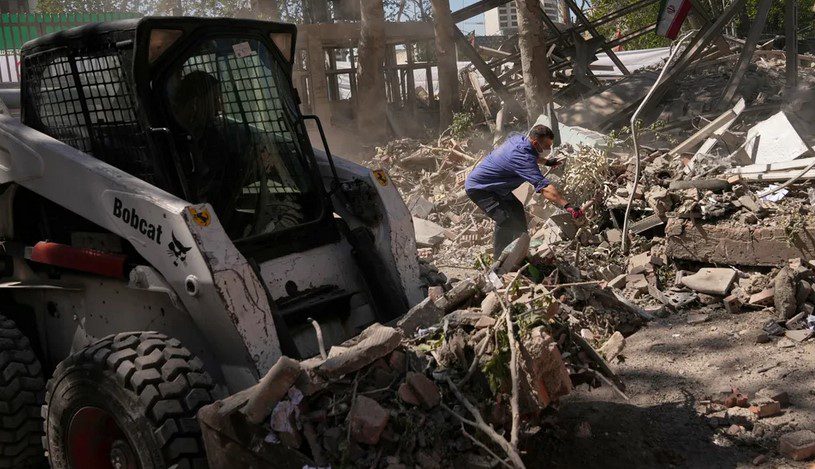
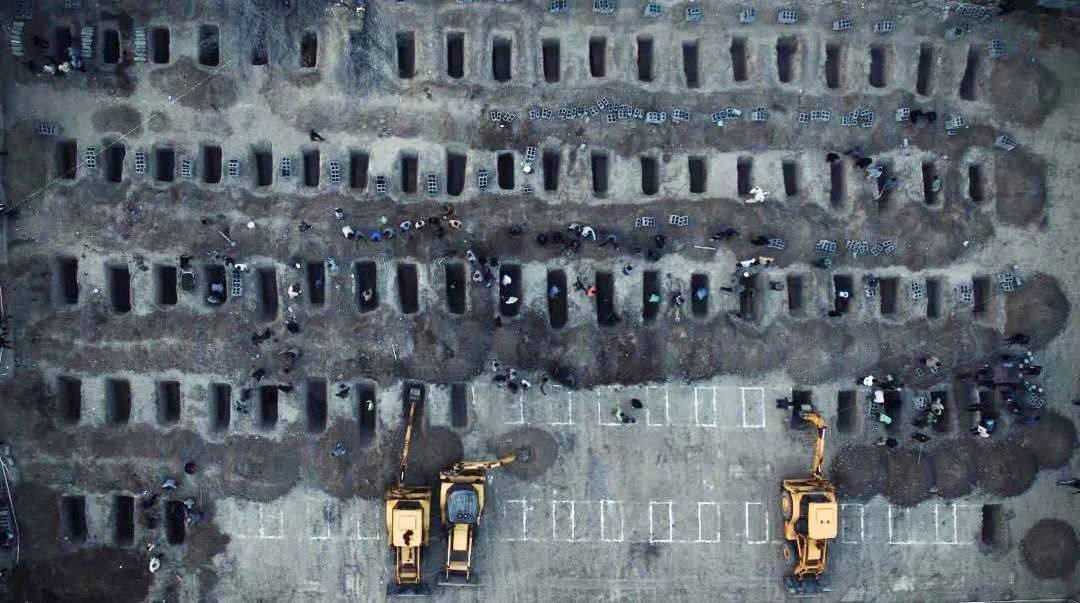
The streets of Gaza, once bustling with life, have now turned into graveyards of shattered homes and broken dreams. The air is thick with dust, smoke, and the cries of a people suffocating under relentless bombardment. In the faces of parents searching through rubble for their children, and in the eyes of children orphaned by airstrikes, there is an unspeakable grief that the world seems to watch but refuses to act upon.
The Israeli military’s ongoing campaign in Gaza has escalated into a humanitarian catastrophe that many are now calling genocide. Entire neighbourhoods have been levelled; hospitals, schools, and places of worship lie in ruins. The systematic destruction of civilian infrastructure and the deliberate infliction of conditions that threaten survival—cutting off food, water, and medical supplies—meets the very criteria laid out by international law for genocide. This is not simply a war between two sides; it is a calculated effort to erase a people, their history, and their future.
Since 2007, Gaza has been under a suffocating blockade imposed by Israel, following Hamas’ takeover of the strip after its electoral victory. This blockade has resulted in one of the most prolonged humanitarian crises in modern history, with Gaza’s 2.1 million residents being deprived of basic rights and necessities. The blockade restricts the movement of goods and people, stifling Gaza’s economy, and making access to food, clean water, medicine, and electricity severely limited. According to the United Nations, over 80% of Gaza’s population now relies on international aid for survival.
The blockade affects every aspect of life in Gaza. Unemployment rates hover at an astronomical 47%, while over 81% of Gaza’s population lives below the poverty line. The inability to rebuild infrastructure destroyed in previous conflicts means that homes, hospitals, and schools remain in ruins, creating a continuous cycle of deprivation. According to a report by the World Health Organisation, Gaza’s health system is on the verge of collapse, with chronic shortages of essential medical supplies and equipment exacerbated by Israel’s blockade.
The consequences of this siege have been felt most acutely by Gaza’s children. Save the Children reports that over 800,000 children in Gaza suffer from psychological trauma due to years of blockade, violence, and fear of airstrikes. Many of these children have never known life outside of conflict, and the blockade only reinforces the sense of imprisonment for an entire generation. Schools struggle to operate amid intermittent power shortages and damaged facilities, limiting educational opportunities for thousands of children.
In the wake of the October 2023 escalation, Israel tightened the blockade even further, cutting off all access to electricity, food, fuel, and water. This has plunged Gaza into darkness, crippled hospitals, and left the population on the brink of starvation. The United Nations has warned that Gaza is facing a total humanitarian collapse, with millions of civilians trapped in what many have described as a humanitarian catastrophe. The deliberate imposition of such conditions has drawn international condemnation, with various human rights groups calling Israel’s blockade a form of collective punishment that violates international law.
Despite years of international appeals and repeated warnings about the catastrophic impact of the blockade, the situation continues to worsen. The blockade is not only a tool of political control but also a systematic effort to make life unbearable for Gaza’s population. This policy, coupled with regular military assaults, has created conditions that many argue are intended to destroy the capacity of the people of Gaza to survive as a community, fulfilling key criteria for genocide under international law.
This deepening siege only serves to heighten the desperation of Gaza’s population, leaving them trapped in an unending cycle of deprivation, fear, and destruction.
Israel’s Disproportionate attack
The retaliatory airstrikes and ground assaults carried out by Israel since Hamas’ October 2023 attack have drawn widespread criticism for their sheer scale and the disproportionate impact on civilians in Gaza. Following the initial Hamas operation, Israel launched one of the most intensive bombing campaigns in the region’s history. According to reports from the Palestinian Ministry of Health, over 40,000 Palestinians have been killed since the beginning of the Israeli response, with a significant majority being civilians, including women and children.
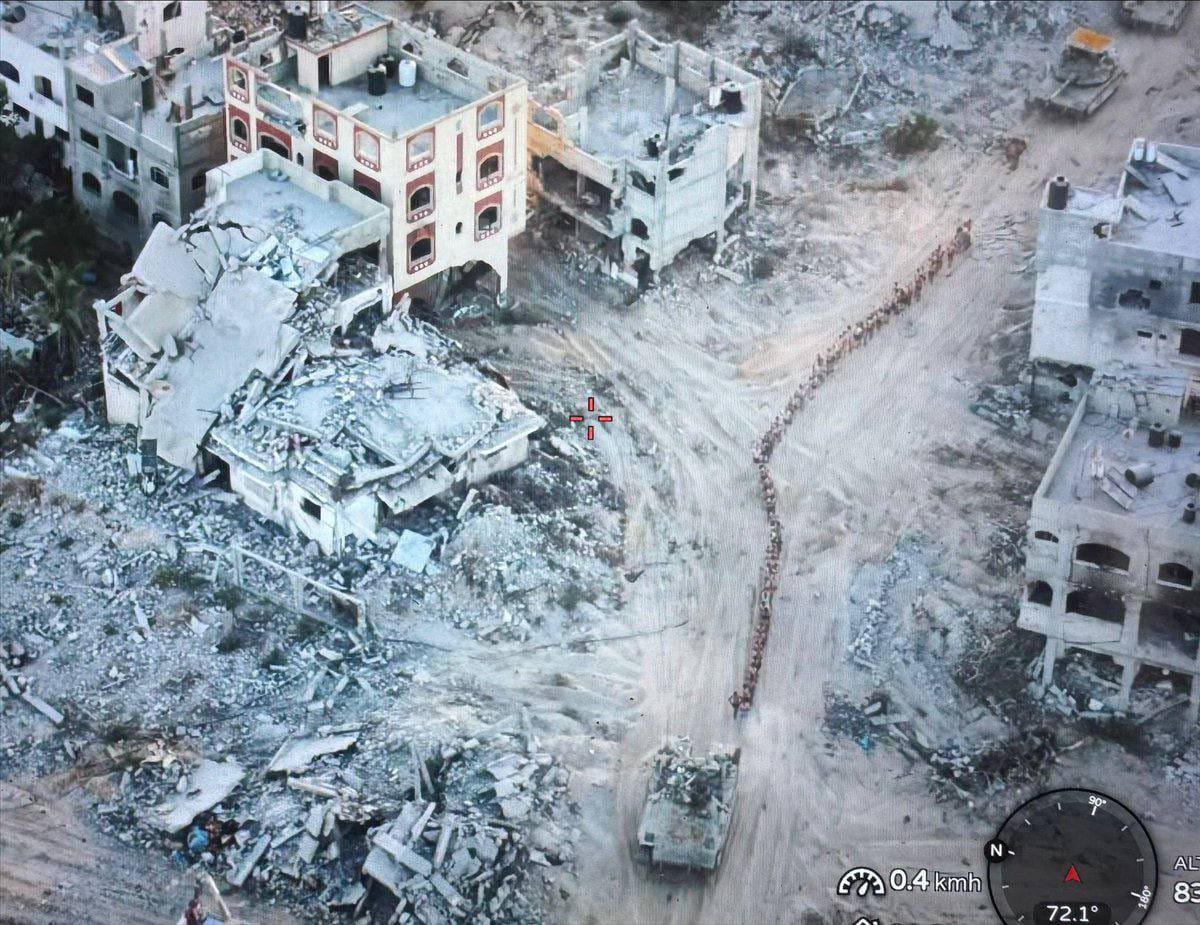
The targeting of civilian infrastructure has been a hallmark of Israel’s military strategy during this phase. By mid-2024, Israeli airstrikes had destroyed thousands of homes, dozens of schools, and critical healthcare facilities. The Palestinian Ministry of Health has reported that at least 50 hospitals and medical centres have been hit by Israeli airstrikes, with many rendered completely inoperable. Gaza’s largest hospital, Al-Shifa, has been severely damaged, and other hospitals, like Beit Hanoun, have been forced to close after repeated bombardments. The World Health Organisation (WHO) has condemned the attacks on healthcare facilities as violating international humanitarian law.
Residential areas have also been devastated. According to satellite data analysed by Human Rights Watch, entire neighbourhoods in northern Gaza, such as Jabaliya and al-Shuja’iyya, have been reduced to rubble. The Palestine Tower, a 14-story residential building in Gaza City, was flattened, displacing hundreds of families. The UN Office for the Coordination of Humanitarian Affairs (OCHA) estimates that over 1.5 million people have been displaced since the escalation, with many seeking refuge in overcrowded schools and shelters, which themselves have come under attack.
The destruction of Gaza’s infrastructure extends beyond buildings. Israel’s bombing campaign has targeted critical utilities, including water and sewage treatment facilities, further exacerbating the humanitarian crisis. The UN has warned that 90% of Gaza’s water is now undrinkable due to damaged infrastructure. Additionally, the power plant, which provides electricity to much of Gaza, was hit by Israeli airstrikes, leaving most of the population without power for weeks at a time.
This disproportionate use of force has raised serious concerns among international legal experts and human rights organisations. Amnesty International and Human Rights Watch have called for independent investigations into potential war crimes, citing the large number of civilian casualties and the deliberate targeting of civilian infrastructure. The destruction of essential services like healthcare and clean water, combined with the mass displacement of civilians, meets several criteria under the UN’s definition of collective punishment.
As the violence continues, Gaza’s civilian population is bearing the brunt of a conflict that has spiralled far beyond any notion of proportionality. With entire communities wiped out and essential services destroyed, the humanitarian toll of Israel’s retaliation is devastating, leaving millions on the brink of survival.
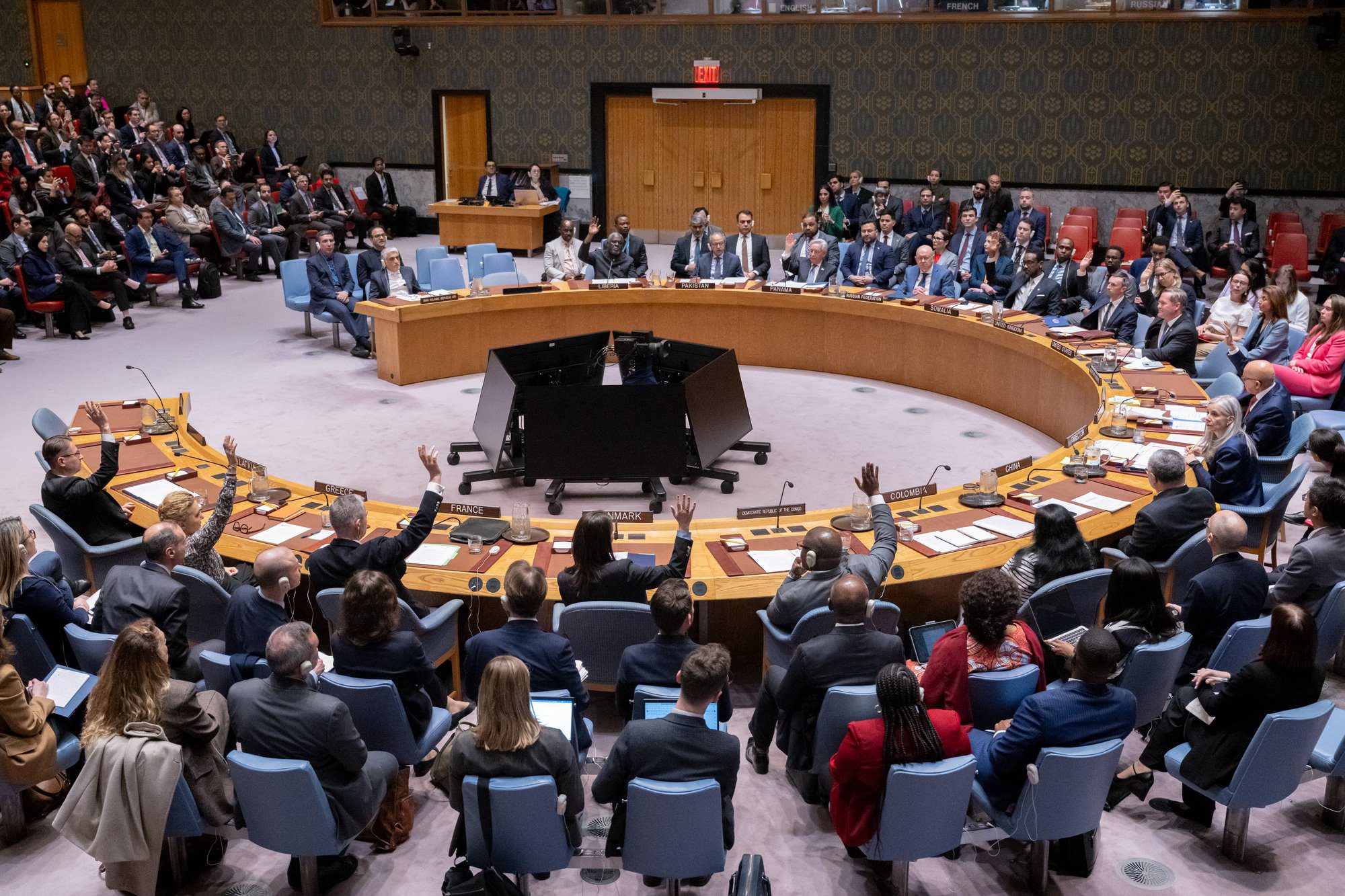
And yet, the world watches in silence. The so-called global leaders, those who champion human rights and speak of peace, remain conspicuously absent when it comes to Gaza. The United Nations, created to prevent atrocities such as these, has been powerless, crippled by political divisions and a lack of will. World powers that could intervene have instead turned their backs or worse, have emboldened Israel with military support.
There is no outcry from those who pride themselves on upholding international law, no sanctions against a state that is systematically targeting civilians. Instead, there is a horrifying indifference, as though the lives of Palestinians do not matter. This silence is not just complicity, it is a betrayal of the very values that global institutions were built upon.
It is time for the world to wake up. The people of Gaza are not mere casualties of war; they are victims of a calculated attempt to destroy their existence. This is genocide, and every day that passes without action is another day that innocent lives are lost. We cannot allow history to repeat itself, to stand idly by as an entire population is erased from the earth.
Every individual, every nation, every institution must now stand up. From international bodies like the United Nations to individual citizens around the world, we must raise our voices and demand an end to this atrocity. We must urge our governments to take action—whether through diplomatic pressure, sanctions, or humanitarian aid—before it is too late.
The world cannot afford to be silent any longer. It is time to call this what it is: genocide. And it is time to stop it. Let us not be remembered as the generation that watched a people be destroyed and did nothing. Let us be remembered as the generation that finally stood up and said, “No more.”