Silent asthma epidemic threatens adolescents in Africa

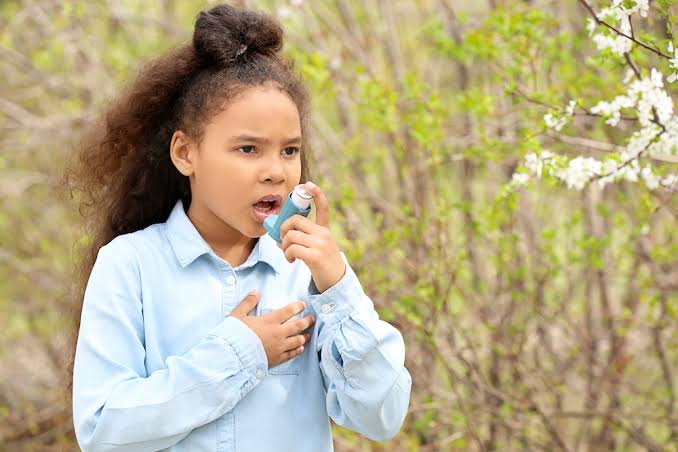
A recent study highlights a growing but largely unaddressed issue: high rates of undiagnosed asthma among adolescents in urban sub-Saharan Africa.
Conducted by a multi-country research team, the study reveals that a significant number of adolescents with severe asthma symptoms lack a formal diagnosis, hindering access to life-saving treatments. Published in The Lancet Child and Adolescent Health, the study underscores the urgent need for improved asthma awareness, diagnosis, and treatment in African cities facing rapid urbanisation and rising pollution.
This school-based study, encompassing six African nations—Malawi, South Africa, Zimbabwe, Uganda, Ghana, and Nigeria—surveyed over 27,000 adolescents aged 12 to 14.
The study’s first phase involved screening for asthma symptoms, revealing that nearly 12% of students experienced symptoms, with Durban, South Africa reporting the highest prevalence at 23.8%.
Notably, only 20% of these adolescents had been clinically diagnosed with asthma.
In the second phase, symptomatic adolescents were invited for further testing, which confirmed that nearly half of those with severe symptoms indeed showed objective signs of asthma, despite having no formal diagnosis.
Asthma, a chronic lung disease characterised by breathing difficulties, is increasingly common worldwide and affects an estimated 262 million people. However, data on asthma in Africa remain sparse, even as urbanisation, pollution, and limited healthcare resources contribute to the problem.
According to WHO even the chances of death from asthma is rare. Severe asthma can cause death. About 455,000 people died from the condition in 2019, highest in middle to low income countries.
The research points to pollution as a significant contributor to asthma cases in African cities. Exhaust from vehicles, waste burning, and dust from rapid urban development are exacerbating air quality, creating ideal conditions for asthma triggers. Countries such as South Africa, with high pollution levels due to coal reliance, have some of the highest asthma cases on the continent.
Researchers emphasised that undiagnosed asthma could hinder adolescents' academic performance and overall quality of life.
Dr. Emmanuel Addo-Yobo, a co-author, suggests that school-based diagnostic clinics could offer practical solutions by integrating asthma testing into school healthcare initiatives, providing both screening and immediate care to those in need.
Awareness gaps also contribute to the issue; many adolescents lack critical asthma knowledge, such as how spacers can improve medication efficacy. In poorer urban areas, where about 60% of residents live in slums, regular healthcare access is limited, leading to delayed diagnoses and long-term lung complications.
Experts recommend improving air quality to reduce asthma cases in the long run. In the short term, investing in affordable asthma treatments and implementing mobile health clinics in schools could enhance early detection and care. These clinics, shown to be effective in other regions, would allow students to receive immediate diagnosis and treatment, addressing the issue at a critical age for asthma management.