UN experts condemn France’s hijab ban in sports as discriminatory

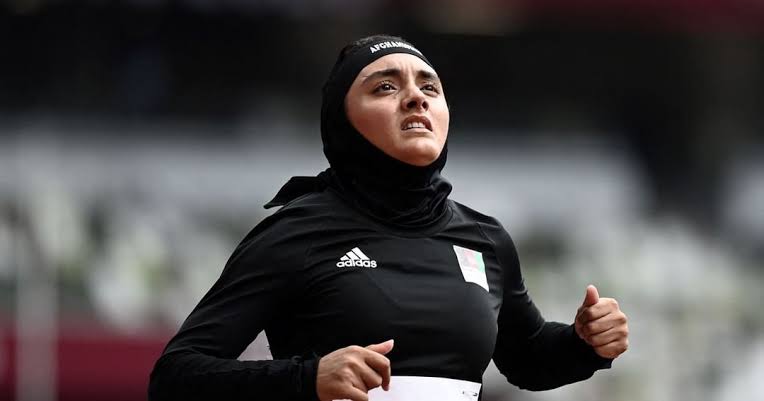
Ahead of the Paris 2024 Olympics, France’s secularism laws have created a difficult choice for Muslim female athletes, compelling them to choose between their faith and participating in competitive sports. These laws prohibit athletes from wearing religious symbols, including the hijab, during the Olympic Games, with similar bans enforced by France’s football and basketball federations at both professional and amateur levels.
On Monday, eight independent UN human rights experts condemned the hijab ban as “disproportionate and discriminatory,” arguing that it infringes on the rights of French Muslim athletes “to freely express their identity, religion, or beliefs in both private and public spheres” and to participate fully in cultural life.
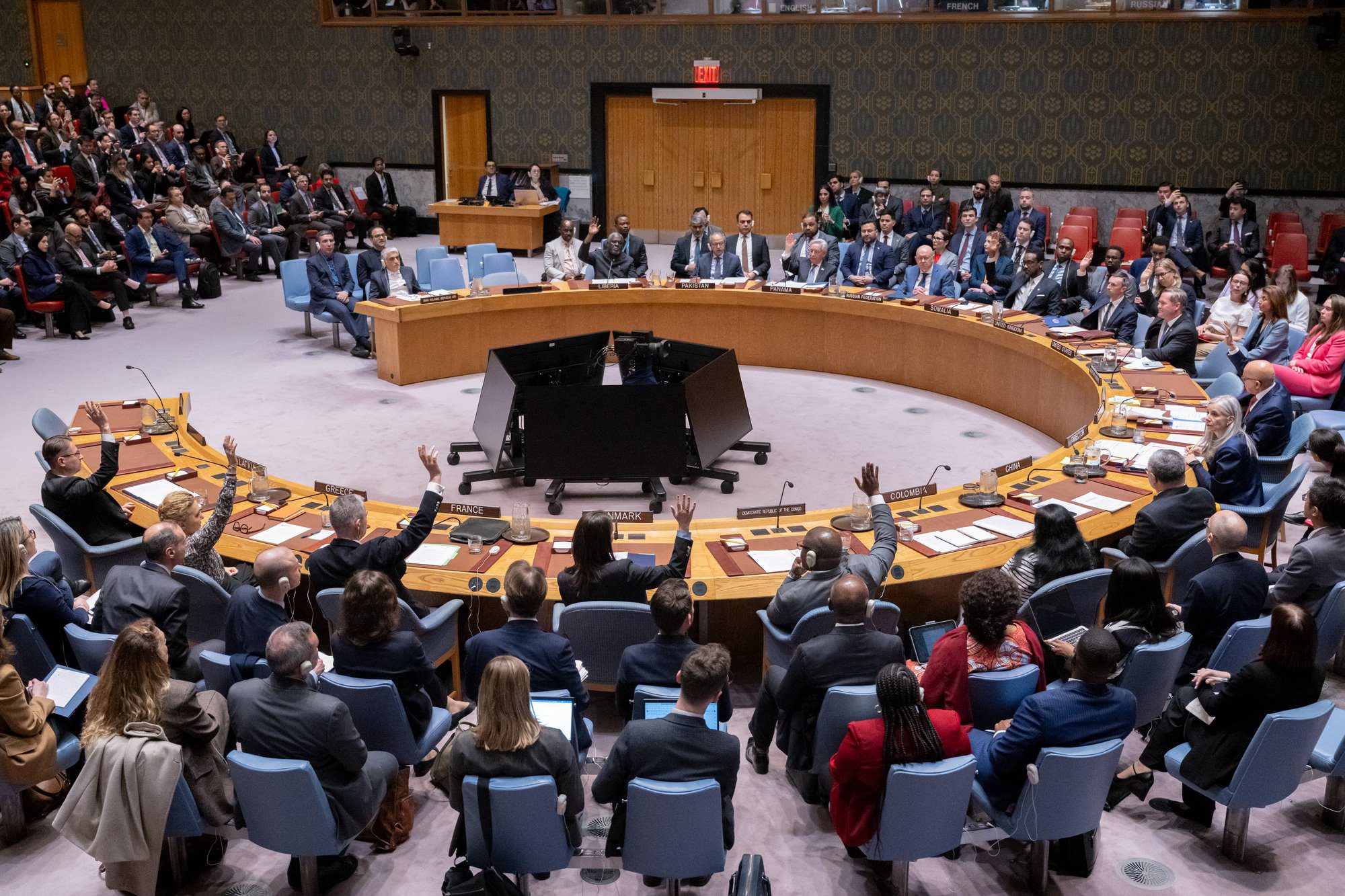
The statement was issued by UN special rapporteurs on cultural rights, minority issues, and freedom of religion, alongside members of the UN working group on discrimination against women and girls. Although appointed by the UN Human Rights Council, these experts do not represent the official stance of the United Nations.
While France’s secularism laws, known as laïcité, are intended to keep the state neutral in religious matters, UN experts asserted that secularism should not limit freedoms of expression and religion, emphasizing that “the neutrality and secular nature of the state are not legitimate grounds for imposing restrictions on these rights.” They added that any limitations must be “proportionate, necessary, and justified by concrete facts, not assumptions or prejudices.”
Under the hijab ban, France’s Olympic team will not include any hijab-wearing athletes, though the International Olympic Committee has permitted hijabs within the athletes’ village. The UN experts urged the ban’s removal, stating that Muslim women and girls “must have equal rights to participate in cultural and sporting life” and should be fully integrated into all aspects of French society.
In a broader appeal, the experts encouraged France to foster respect for cultural diversity and to protect the rights of Muslim women, contributing to a growing global dialogue on balancing secularism with individual freedoms in a multicultural society.