Genocide in Palestine and psychology's socio-political responsibility

We live in a world that increasingly prioritizes mental well-being in every aspect of life. From schools to workplaces, mental health services are becoming a central focus. Celebrities and Instagram influencers worldwide actively promote mental health's importance. Yet, a critical question arises: Why are they selectively empathetic about people’s mental health?
It has been a year since the genocide in Palestine began. How many mental health professionals do we see advocating for the mental health of Palestinians? In the name of promoting mental health, these awareness experts encourage people to avoid content from Palestine because it negatively affects their mental health. It is reminiscent of feminists advocating for the rights of white women while disregarding the struggles of women from other marginalized communities.
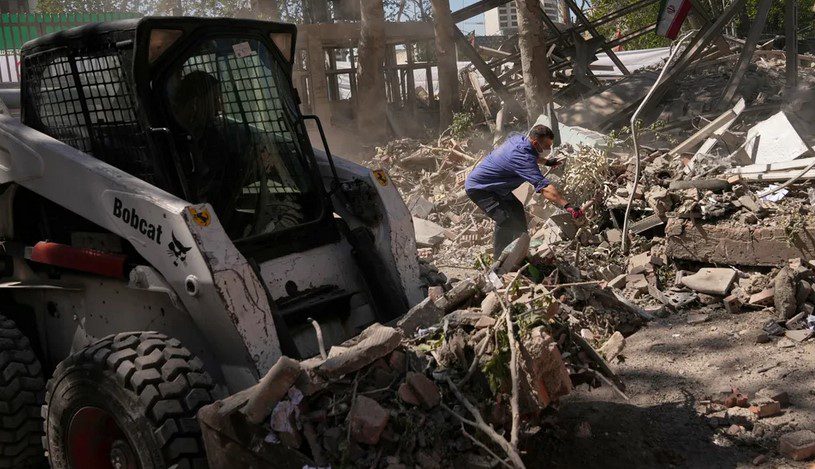
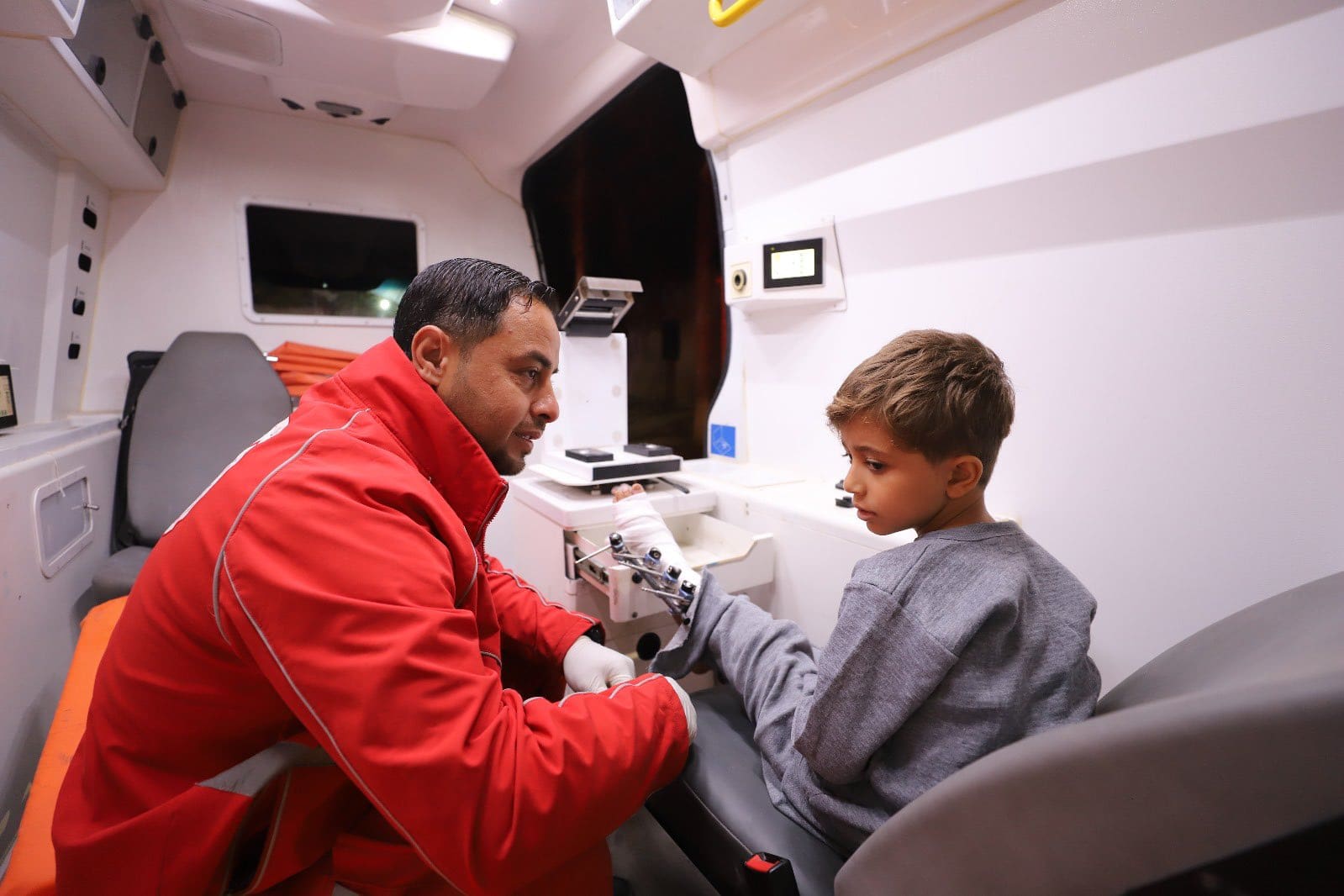
The mental health of Palestinians ranks among the lowest globally, with more than half of Palestinian adults meeting the criteria for depressive symptoms, and a significant number experiencing mental distress and anxiety. Since October 7, 2023, the escalating violence in Gaza has exacerbated this mental health crisis for its 2.1 million residents, 67% of whom are refugees and 65% are under the age of 25. Continuous bombardments, displacement, and the loss of family members are contributing to rising levels of anxiety, depression, post-traumatic stress disorder (PTSD), and other severe mental health issues among children. Even before the outbreak of war in Gaza, those in the besieged Palestinian territories suffered from some of the highest rates of mental illness worldwide. Dr Samah Jabr, head of the mental health unit at the Palestinian Ministry of Health, notes that the horrors experienced in the region do not easily conform to clinical definitions or treatments for PTSD.
In Palestine, trauma is both collective and ongoing. PTSD reflects a state where the mind becomes trapped in a traumatic cycle, but in this case, that cycle is reality. The threat persists, making symptoms like hypervigilance and avoidance essential for survival rather than merely problematic. This phenomenon can be viewed as a form of "chronic" traumatic stress disorder.
Psychology's Role in the Oppression of Marginalized Communities
The field of psychology touches almost every aspect of life today. Mental health is at the forefront of discussions in schools, workplaces, and social spaces. Psychology is often perceived as a politically neutral subject. However, a deeper look reveals that psychology is not as politically neutral as it may seem. The discipline has a long history of violence against marginalized groups, entangled with the politics of power.
A closer look at the history of psychology reveals a troubling legacy of violence against marginalized communities. In 2022, the American Psychological Association (APA) issued a formal apology to people of colour for the systemic harm it perpetuated. In the March 2022 issue of Monitor on Psychology, the APA acknowledged this dark past, stating: "APA’s first president, G. Stanley Hall, described First Peoples as childlike and promoted 'civilizing programs' that destroyed their culture, language, and spiritual life. Throughout the 1900s, prominent psychologists argued against interracial marriage, claiming it would produce a 'race of submen' and labeling biracial individuals as mentally defective. Other APA leaders actively supported eugenics for decades, advocating sterilization initiatives targeting 'unfit and inferior races.' Psychological research also shaped policies that justified incarcerating people of colour, enforcing anti-miscegenation laws, promoting forced sterilization, and instituting military and educational segregation."
The mental health crisis in Palestine exemplifies how psychology cannot be separated from politics. When addressing the issue of Palestine, it is important to look at the root cause of the mental health problems faced by the Palestinian people. Is it an individual issue? A cognitive problem? Or is it a matter of neurotransmitter imbalances? No—it's clear that these mental health challenges are the result of settler colonialism and ongoing violence.
The question of Palestine is, in itself, a challenge to the field of psychology at large. Psychologists often rely on the biopsychosocial model to treat mental health. This model takes a multi-system approach, examining the interplay of biology, psychology, and the social environment. However, what is missing from this framework is the political dimension. Without acknowledging the role of politics and its impact on the human condition, one cannot fully grasp the complexities of mental health.
How can we treat the mental health of Palestinians without addressing the political realities they endure?
Suicide deaths in marginalized communities in India are often attributed to mental health issues, but this perspective oversimplifies the reality. The root causes lie in the mental health breakdown stemming from marginalized identities. The upper class's gaze and actions instil a persistent sense of inferiority, reinforcing systemic social hierarchies. This ongoing feeling of inferiority leads to depression, where suicide becomes a tragic response to the entrenched social hierarchy.
Frantz Omar Fanon (1925–1961), a prominent thinker in Black Atlantic theory, examined how inferiority is constructed within colonized subjects. In his influential work, Black Skin, White Masks, Fanon asserts that "The feeling of inferiority of the colonized is the correlative to the European’s feeling of superiority. Let us have the courage to say it outright: It is the racist who creates his inferior." His insights emphasize the social dynamics that contribute to mental health struggles in marginalized populations.
Case Studies
In Psychoanalysis Under Occupation: Practicing Resistance in Palestine, authors Lara Sheehi and Stephen Sheehi highlight the experiences of Palestinian mental health professionals and the communities they serve. The book includes case studies showing how systemic violence affects mental health. One case involves a woman whose prolonged anxiety and diminished pleasure began with the construction of the separation wall in the West Bank. This wall not only restricted her physical movement but also disrupted her inner self-exploration, leading to psychological illness.
Another case described by clinician Ali involves a man in his 50s, born and raised in the Old City, who experienced delusions tied to his sense of place. He believed that leaving the Old City would cause him to "fly away," a manifestation of his schizophrenia that, while not directly caused by the Occupation, is deeply intertwined with it. This illustrates how colonial settlement affects individual mental health, showing the complex relationship between systemic oppression and psychological distress.
In both India and Palestine, the mental health crises faced by marginalized communities highlight the urgent need to address the systemic factors contributing to their suffering. Only by acknowledging these interconnections can we begin to understand and support the mental well-being of those in marginalized communities.
Call for Action
Psychology is often portrayed as an individualistic endeavour, but in reality, it is not. Mental health is deeply influenced by socio-political conditions. Political unrest, genocide, atrocities, violence, economic disparities, and racial and spatial divides all have a direct impact on an individual’s psyche. It is impossible to fully understand the human mind without considering the broader social, economic, and political contexts that shape it.
Psychologists must account for these socio-political realities when addressing mental health. Policies and programs designed to promote well-being must incorporate basic human rights and ensure that individuals’ fundamental needs are met. A just and equitable society is essential for fostering good mental health. For individuals from marginalized communities, government action is needed to eliminate discrimination, including caste-based oppression. Such measures are crucial for improving both individual and collective mental well-being.
In the case of Palestinian children and families, their psychological suffering cannot be addressed without a ceasefire, the end of military occupation, and the guarantee of full human rights and social equity. Mental health professionals, global citizens, and parents must collectively advocate for the human rights of Palestinians. Without these actions, individual and collective trauma will persist, creating cycles of suffering for future generations.