Manipur: Union reimposes AFSPA in five districts amid escalating violence

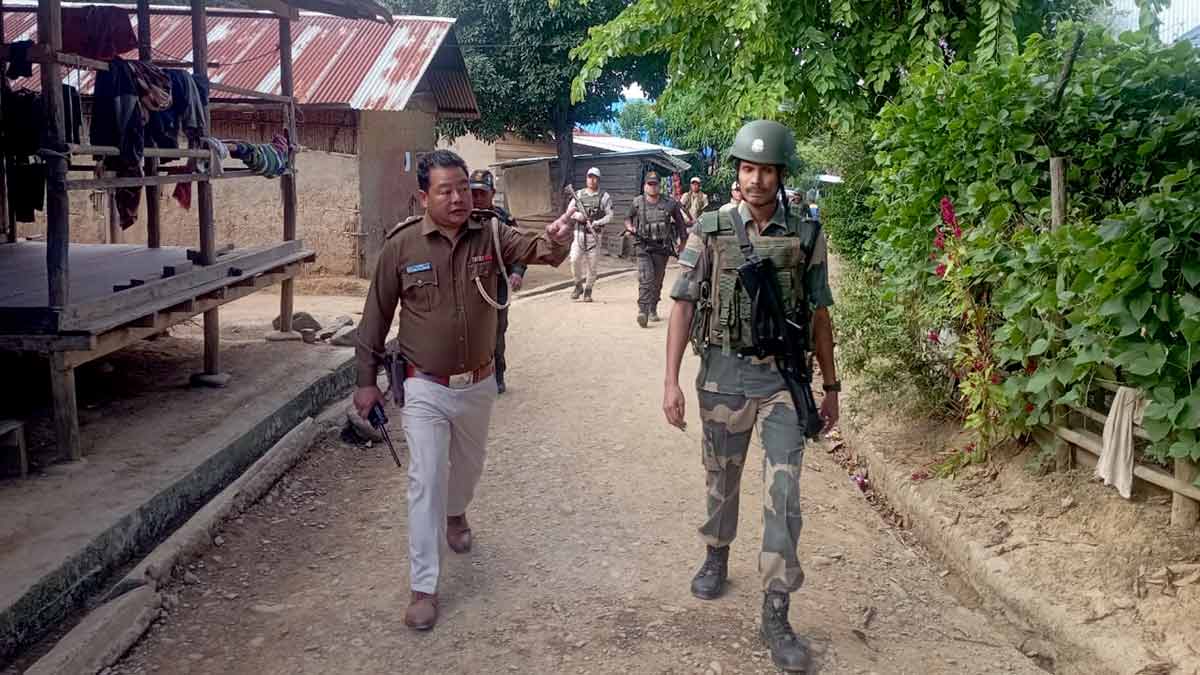
The Union government on Thursday reimposed the Armed Forces Special Powers Act (AFSPA) in five valley districts in Manipur in response to an escalation in violence.
The AFSPA gives Army personnel sweeping powers in disturbed areas to search, arrest and open fire if deemed necessary for “the maintenance of public order.”
In a notification on Thursday, the Ministry of Home Affairs said that the decision to impose the Act, which was reimposed on six police stations in these districts, was taken as the situation in Manipur remained “volatile” amid ethnic clashes between the state’s Kuki-Zo-Hmar and Meitei communities. The last time the law was in effect in these areas was in April, 2022.
The ministry said that “intermittent firing” continued in the “fringe areas of Bishnupur-Churachandpur, Imphal East-Kangpokpi-Imphal West and Jiribam districts”. There were also instances of “active participation of insurgent groups in heinous acts of violence” in many of these incidents, it added.
Kuki-Zo leaders and groups have been demanding the reimposition of AFSPA in the valley area of Manipur.
The notification on Thursday came after the state police said that 10 Kuki men were killed on Monday in a gunfight with security forces in Jiribam district.
Kuki-Zo-Hmar organisations have claimed that the individuals killed in the gunfight on Monday were village volunteers.
With the bodies continuing to remain in the mortuary at Silchar Medical College and Hospital four days later, groups from the community protested at the hospital premises on Thursday evening demanding that the bodies be released.
While media reports claim those killed were Kuki militants and were shot during crossfire, the Committee on Tribal Unity (COTU) called the reports a one-sided narrative.
The COTU had also announced a 24-hour total shutdown within the SADAR HILLS Kangpokpi areas from midnight on 11 November to midnight on 12 November as a mark of respect to their “fallen breavhearts,” and to show their “resentment against the Central security forces.”