Waqf; an instrument of poverty elimination and development

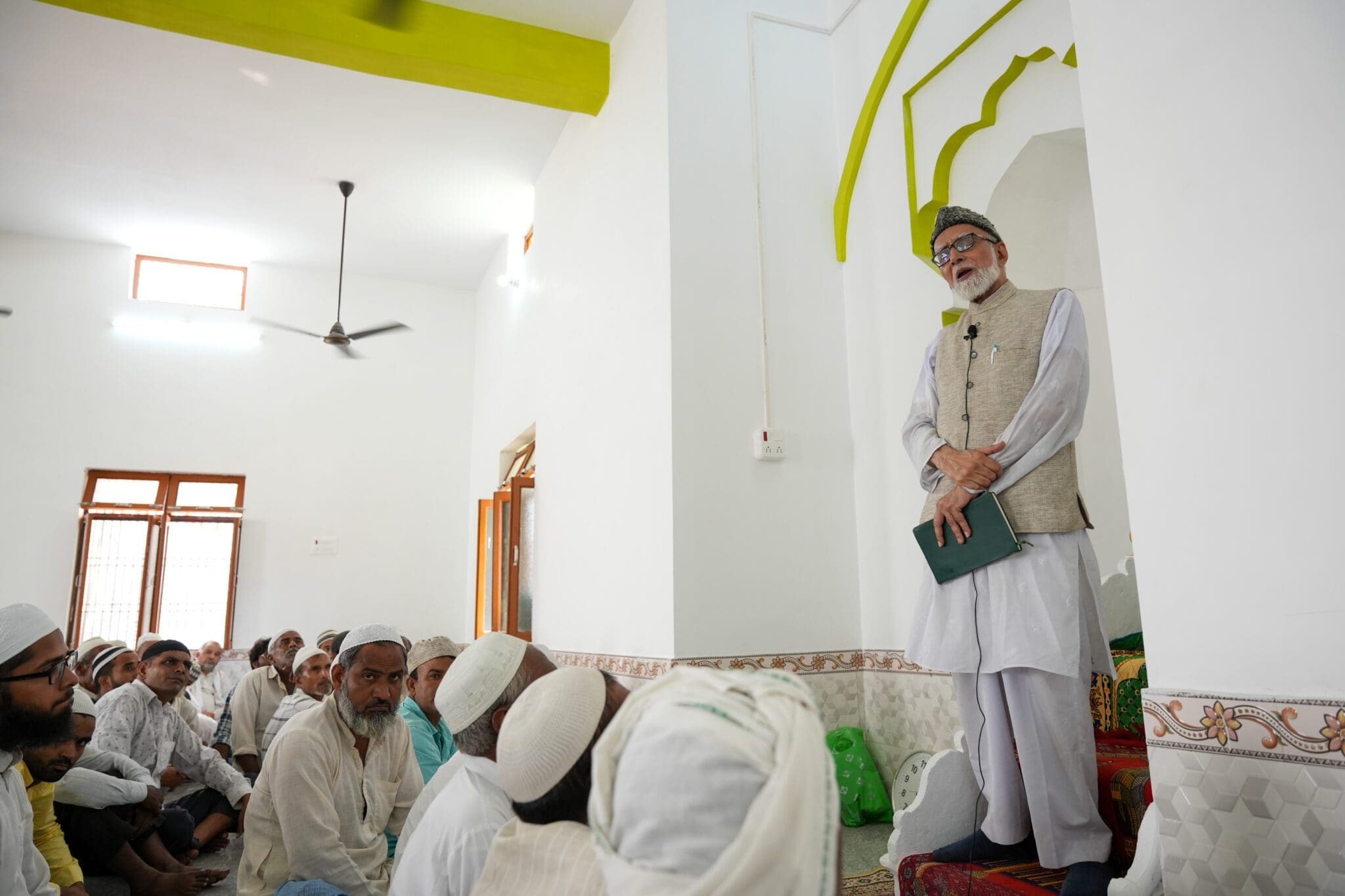
A waqf is a charitable endowment in Islamic law where property or assets are permanently dedicated for religious, educational, or social welfare purposes. The purpose of a waqf is to benefit the community by funding initiatives like mosques, schools, hospitals, or other charitable activities while ensuring the property remains inalienable and continuously serves its intended purpose.
The Waqf (Amendment) Bill, 2024, introduced in India’s Lok Sabha on August 8, 2024, proposes changes to the Waqf Act of 1995 to enhance transparency and accountability in waqf property management. Key amendments include renaming the Act to the Unified Waqf Management, Empowerment, Efficiency, and Development Act, 1995, altering the composition of the Central Waqf Council and State Waqf Boards to include non-Muslim members, mandating that only practicing Muslims for at least five years with property ownership can declare a waqf, removing the concept of “waqf by user,” and assigning District Collectors to conduct waqf property surveys and resolve ownership disputes.
In a world increasingly defined by economic disparities, the Islamic institution of waqf emerges as a timeless and effective mechanism for fostering social welfare and sustainable development. Rooted in principles of justice and collective well-being, waqf involves dedicating assets—whether land, property, or investments—for the perpetual benefit of society. Historically, waqf has financed essential services like education, healthcare, and infrastructure, uplifting communities and reducing inequalities. Cities like Istanbul, Cairo, and Baghdad thrived on the backbone of waqf, which sustained schools, hospitals, and public works, serving as a vital component of Islamic civilization’s social safety net.
For waqf to realize its full potential, depoliticizing waqf boards is essential. Transparency and accountability must become the cornerstones of waqf management, ensuring that its potential is harnessed for societal benefit. Digitalization can modernize operations, making waqf funds more accessible and impactful. Furthermore, partnerships with government programs and private sectors can amplify waqf’s reach, ensuring that its benefits extend beyond a single community.
The principles of Waqf remain as relevant today as they were centuries ago, particularly in addressing the root causes of poverty. Redistribution of wealth, a fundamental ethos of Islam, finds tangible expression in waqf. By channeling resources from the affluent to those in need, waqf ensures that wealth serves a collective purpose, addressing critical needs such as housing, education, and healthcare.
Imagine a system where waqf funds provide interest-free loans to aspiring entrepreneurs, enabling them to break free from the cycle of poverty. Picture communities where waqf endowments support free schools and clinics, removing barriers to education and healthcare for the underprivileged. Consider the impact of waqf-funded affordable housing projects in cities where homelessness is on the rise. These are not hypothetical scenarios—they are achievable realities, as demonstrated by successful modern waqf initiatives in places like Singapore and Turkey. In Singapore, Warees Investments manages waqf assets with a focus on real estate development, generating revenue reinvested into community welfare programs. Similarly, Turkey’s VakifBank operates on waqf principles, funding numerous charitable activities while maintaining financial growth.These examples prove that with effective management and modern adaptation, waqf can be a dynamic force for sustainable development.
In India, waqf is particularly significant as a mechanism to address socio-economic disparities, especially for the marginalized Muslim community, which constitutes 14.2 percent of the population. According to the Sachar Committee Report, Indian Muslims face barriers in education, employment, and access to welfare schemes, often residing in urban slums with inadequate amenities. Here, waqf assets can play a transformative role. Revenues from waqf properties could fund scholarships for students, subsidize healthcare in underserved areas, and provide interest-free loans to entrepreneurs. By meeting these critical needs, waqf can empower individuals and communities to rise out of poverty, contributing to a more inclusive and prosperous India.
Globally, waqf has shown its capacity to attract Foreign Direct Investment (FDI) from wealthy Muslim communities, a potential that India can also harness. For instance, the Islamic Development Bank has successfully implemented waqf-based projects in member countries, mobilizing substantial resources for sustainable development. By adopting similar strategies, India could channel global capital into local initiatives, ensuring these investments yield long-term benefits for marginalized communities while driving economic growth. The unique feature of waqf—ensuring assets remain perpetually dedicated to societal benefit—makes it an ideal vehicle for fostering enduring development.
It is also worthwhile to revisit the recommendations of the Sachar Committee on waqf management. These proposals, if implemented, could streamline governance, ensure transparency, and unlock the true potential of waqf as a driver of socio-economic change. By strengthening institutional frameworks and addressing inefficiencies, these recommendations offer a roadmap for waqf institutions to play a transformative role in Indian society.
However, the Waqf Amendment Act. 2024 currently under consideration is likely to be counterproductive due to problematic amendments that infringe upon constitutional rights, Article 26 being just one of them which in essence says that The management of temples, mosques, or gurdwaras by their respective religious groups is protected, provided the management does not violate any laws. Additionally, the Indian government recently announced a significant decision allowing members of the Rashtriya Swayamsevak Sangh (RSS), a prominent Hindu nationalist organization, to serve as government employees. Transparency and accountability about who gets appointed to waqf boards and the criteria or processes used for such appointments are crucial. The recent policy allowing government employees to openly maintain RSS affiliations risks injecting further politicization into waqf management which is under the supervision of government through the Ministry of Minority Affairs.
Waqf is more than a mechanism for redistribution; it is a commitment to shared prosperity. By bridging the gaps left by government welfare programs, waqf can transform the socio-economic landscape for Indian Muslims while contributing to the broader development of Indian society. It is a moral imperative to revive this timeless institution and use its principles to create a more equitable and prosperous future for all. As we face the challenges of our time, let us look at waqf assets for solutions. By breathing new life into this system, we can take a meaningful step toward eradicating poverty and building a stronger, more inclusive India.
It is time for Indian Muslims to take action to protect and utilize these assets as intended by their donors, free from intimidation or interference by the Indian government or those driving India toward an abyss of hatred.
Rasheed Ahmed is the Executive Director of Indian American Muslim Council. IAMC is an advocacy organization of Indian American Muslims, with multiple chapters across the United States.