India’s food surplus myth: Living in shadow of hunger

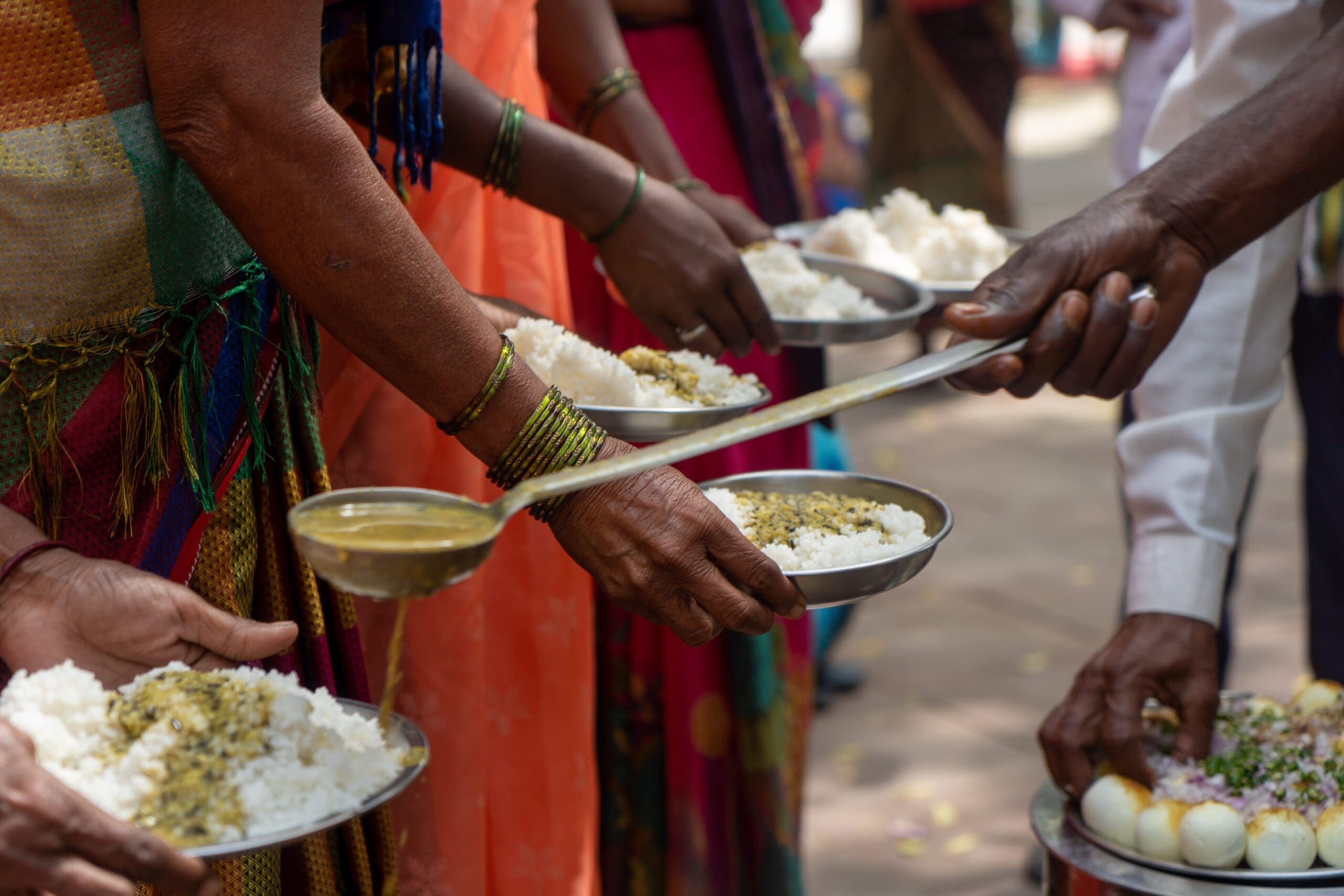
India, often celebrated as a global leader in agricultural exports, presents a troubling paradox. As the world’s largest rice exporter and a record grain producer, the nation simultaneously grapples with hunger and malnutrition on an alarming scale. Ranked 105th out of 125 countries in the 2024 Global Hunger Index, with 16% of its population undernourished and 36% of children under five stunted, India’s food surplus narrative rings hollow. This contradiction is not incidental but the outcome of systemic neglect and neoliberal policies prioritising global markets and profits over domestic equity and survival.
This article examines the roots of this paradox, focusing on the exploitation of farmers, the systemic weaponisation of hunger, and historical and structural inequalities that perpetuate food insecurity in India.
Farmers: The Backbone of a Broken System
India’s small and marginal farmers, who account for over 92% of agricultural holdings, are among the most exploited within the global agricultural economy. The Minimum Support Price (MSP) system, designed to provide stability and protection, benefits less than 10% of farmers. Most are left vulnerable to the whims of volatile markets and predatory middlemen.
The impact of climate change has exacerbated challenges like erratic rainfall, declining groundwater, and extreme weather events. Widespread crop failures have pushed farmers into mounting debt, driving over 300,000 suicides in the past two decades. Although government initiatives such as “natural farming” are touted as solutions, they remain inaccessible to the majority, who struggle with inadequate irrigation, storage facilities, and pricing mechanisms.
The plight of India’s farmers exemplifies the systemic inequities of an agricultural economy driven by neoliberal imperatives that prioritise exports and agribusiness profits over the livelihoods of small-scale producers.
Hunger: A Structural Weapon of Oppression
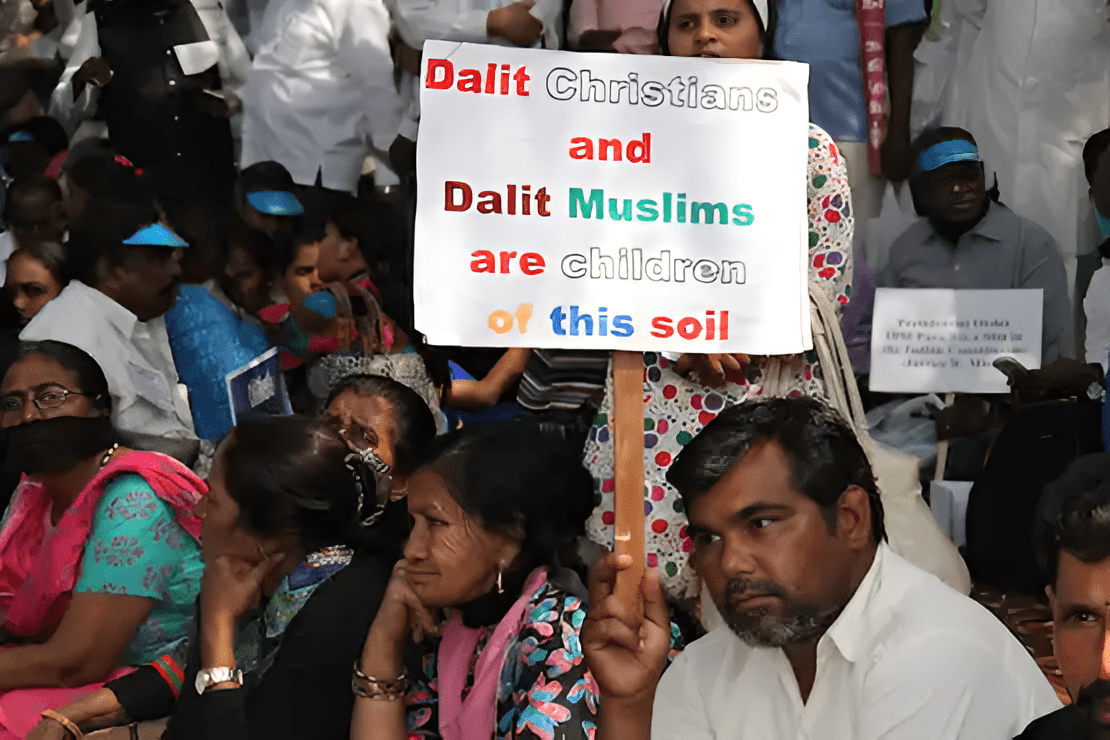
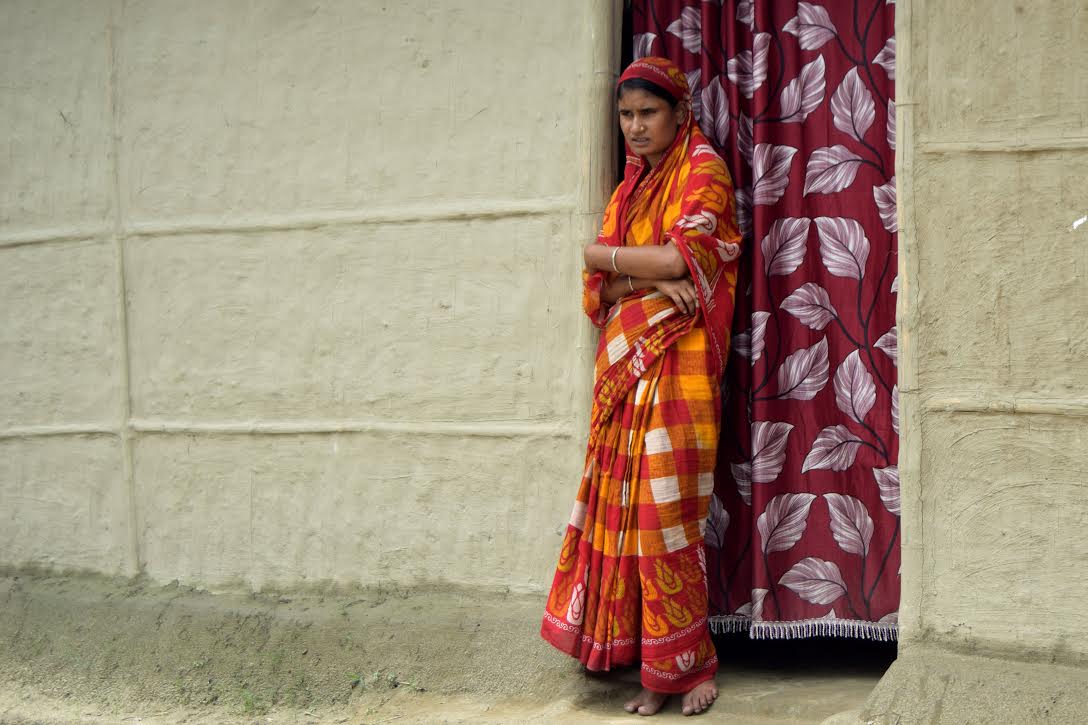
The narrative of abundance starkly contrasts with the lived realities of India’s food producers. Their struggles highlight the systemic inequities in an agricultural economy driven by neoliberal imperatives. India’s hunger crisis disproportionately affects its most marginalised communities, Dalits, Adivasis, and women. Systemic exclusion from land, resources, and opportunities leaves these groups particularly vulnerable.
Jean Drèze’s argument that hunger is a failure of entitlement rather than production is particularly apt here. While India produces more than enough food, neoliberal policies have systematically dismantled public distribution systems (PDS) that once served as lifelines for the poor. Under the guise of “efficiency” and “reform,” these safety nets have been eroded, leaving millions at the mercy of market forces.
Hunger, then, is not an inevitable consequence of scarcity but a deliberate outcome of policies that favour commodification over social welfare. The retreat from public provisioning reflects the broader neoliberal agenda of prioritising markets over people.
Lessons from the Past: The Shadow of the Bengal Famine
India’s current policies echo the tragic lessons of the Bengal Famine of 1943. As Amartya Sen demonstrated, the famine was not caused by food shortages but by policies that prioritised exports and military needs over domestic survival. Today’s export-oriented agricultural policies risk repeating these mistakes, sacrificing the food security of millions to bolster international standing.
The fragility of this approach became evident when the government imposed restrictions on rice and wheat exports to stabilise domestic prices. While such measures acknowledge the precariousness of India’s food system, they fail to address the root causes of hunger: structural inequalities and systemic neglect.
As Prabhat Patnaik warns, this export-driven model is not only unsustainable but morally indefensible. It perpetuates a system where the lives of the poor are sacrificed to sustain the illusion of a “food surplus” nation.
Toward a Justice-Oriented Food Policy
Addressing India’s hunger crisis requires more than cosmetic reforms. It demands a radical restructuring of food policy that prioritises equity and justice over neoliberal imperatives. As Utsa Patnaik argues, food must be treated as a public good, not a commodity. The following measures are critical:
1. Universal and Decentralised Public Distribution System (PDS): Ensuring access to food for all, especially marginalised communities, through a strengthened and universalised PDS.
2. Fair Pricing Mechanisms for Farmers: Establishing robust policies to guarantee fair prices and protect farmers from market volatility.
3. Addressing Structural Inequalities: Tackling caste, gender, and class-based barriers to food access and recognising hunger as a systemic issue rooted in oppression.
4. Decommodifying Agriculture: Dismantling corporate monopolies in agriculture and creating community-centred systems of production and distribution.
These measures must be coupled with broader efforts to decentralise agricultural resources and foster localised, sustainable food systems.
India’s hunger crisis is not just a failure of policy but a direct outcome of neoliberal capitalism, which prioritises profit over survival and global capital over domestic welfare. As Prabhat Patnaik notes, the agrarian crisis is inseparable from the broader trajectory of globalised capitalism, which extracts surplus from the periphery to enrich the core.
The successful elimination of poverty, inequality, and associated ills like hunger in this era of neoliberal globalisation depends not on securing a place on the international pedestal, but on making domestic policies subservient to international priorities. It lies in ensuring robust, equitable, and justice-oriented domestic policies that prioritise the needs of the poor and marginalised over the demands of global capital.
India cannot credibly claim to be a food-surplus nation while millions go hungry. True food security requires rejecting the commodification of agriculture and embracing a development model rooted in dignity and equity. Only by placing the needs of its people above global ambitions can India aspire to not only feed its population but also inspire a more equitable global order.
Dr Shirin Akhter is an associate professor at Zakir Husain Delhi College, University of Delhi.