The electoral inclusion of Jarawa tribe: Progress or peril?

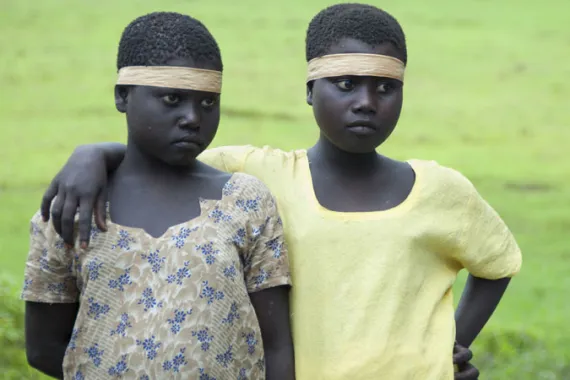
Historically, the Jarawas live as a well-knit, nomadic community in the dense forests of Middle and South Andaman. Their numbers are estimated to be around 400 in number, and their lives, based on hunting, gathering, and having a close, deep relationship with nature, remained relatively unharmed. However, isolated and controlled contacts exist with people outside their society.
This isolation, under the Andaman and Nicobar Islands (Protection of Aboriginal Tribes) Regulation of 1956, has helped them stay healthy and protect their culture. Bringing them into the political process may upset this fragile balance.
The problem is in the long-term implications the decision may bring about. Increased contact with the world outside has a record of wreaking havoc among indigenous communities, which happened to the Great Andamanese, whose population dwindled because of diseases and the loss of cultural identity post-contact with the outsiders. Such a prospect does the Jarawa pose before them. Vulnerability to diseases, which initially were manifest in outbreaks seen alongside increased contact, poses the same threat today. Without strict safeguards, their absorption into a regular democratic process may expose them to unaccustomed influences, possibly hastening a cultural shift towards assimilation.
This involvement of Jarawas in the election process also poses another serious threat: political manipulations are all the more at risk. The pressure for developmental activity and schemes may mount, which further threatens the habitat of the Jarawa and the excellent biodiversity of the area. The ATR passed through the Jarawa Reserve has already led to further encroachment upon and the poaching within its grounds while polluting the air. Politicking may innocently open even greater avenues of further exploitation of their ground and natural resources.
But again, it is the tale of lessons learned from other Indian indigenous communities. Losing a way of life, economic autonomy, and cultural identity through integration is one lesson to heed. The Jarawas can see profound, perhaps irreversible effects ranging from dependency on external resources to cultural shifts with increased contact.
This, from the democratic perspective, is the integration of the Jarawas towards modernization and empowerment, but in doing so, it should be set with a profound appreciation of their specific cultural and historical context. Such communities have a right to self-determination and preservation of their way of life, according to the United Nations Declaration on the Rights of Indigenous Peoples (UNDRIP). The entry of the Jarawas into the electoral process must be voluntary and informed, with clear communication of what participation entails.
For this to be truly inclusive and not damaging there needs to be strict enforcement of environmental protection, culturally sensitive health safeguards, and participation by the Jarawas in decisions that involve them. Any policy change should have room for more control by the tribe over its life, providing it with room and time to decide its future instead of being pushed into the mainstream.
The Indian government treads the thin rope, keeping development alongside the protection of the indigenous culture. This might be either empowerment of the Jarawas or marginalization and exploitation of them. The policy framework built for them decides their choice between respecting their autonomy, protecting their health, and preserving the cultural heritage they carry. Inclusiveness toward other tribes, while preserving respect toward its unique identity, is the key to a more equitable and sustainable future for Jarawas.
Sajida A Zubair, an accomplished educator and counsellor, serves as Sub Editor at Vartha Bharthi, Mangaluru, while channelling her creative vision as a skilled documentary scriptwriter.