Bargis, Bengal invasion and history Chhaava does not tell you

Maariyah Siddique & Sumaiya Ali
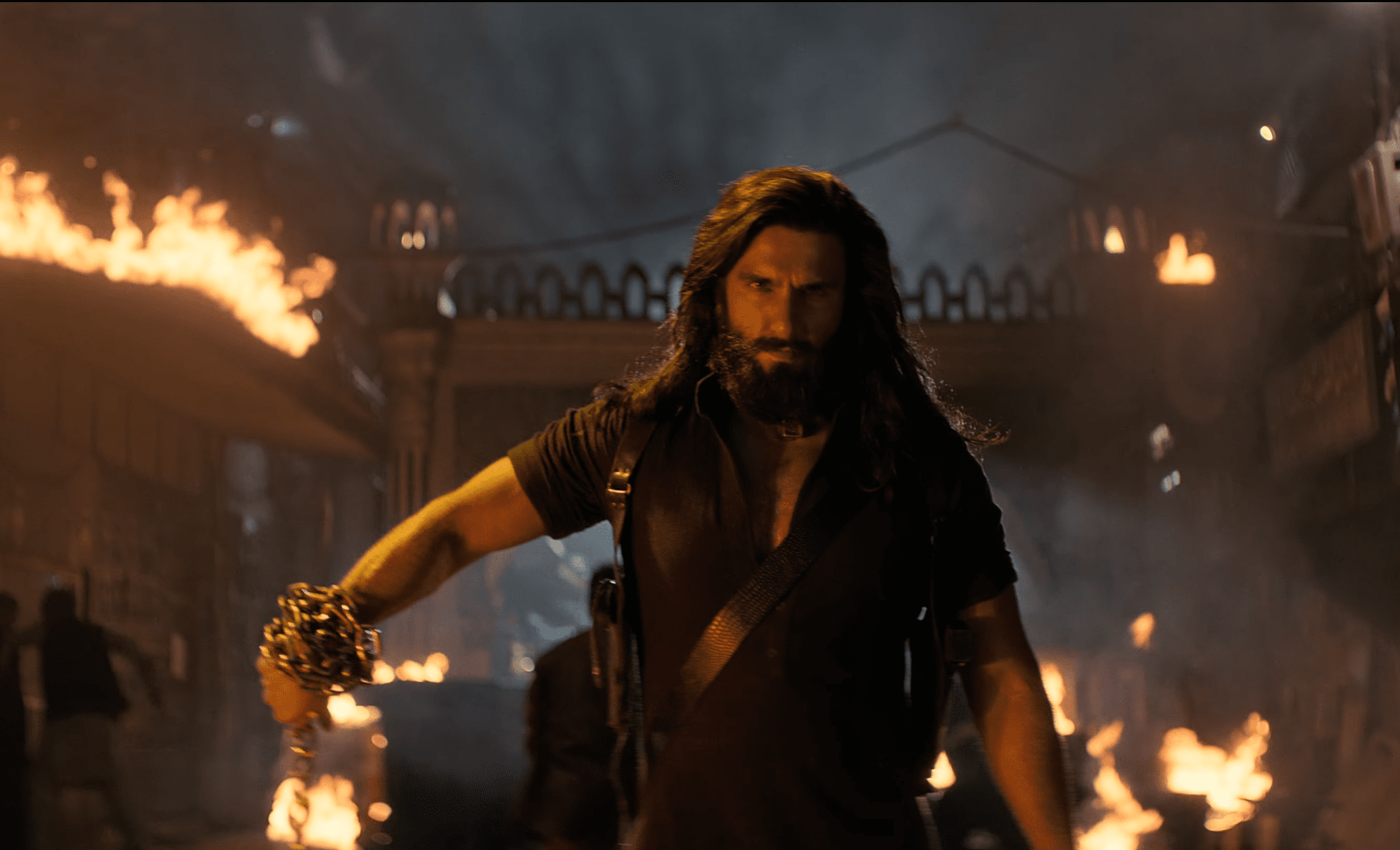
Picture a man on a horse arriving inside a theatre. As bizarre it might seem, it did happen in Nagpur city of Maharashtra during the show of the new Bollywood film Chhaava. The film based on the life of Maratha king Sambhaji Maharaj is making actor Vicky Kaushal a subject of all sorts of praises.
But beyond its heavy rhetoric and hyped historical legacy lies the truth of decades-long reign of terror in the erstwhile Bengal province centuries ago.
Alivardi Khan, Nawab of Bengal, fought against a series of devastating raids by Maratha warriors or “borgis” that drained the rich state of its wealth, and led to a decade of plundered villages and mass rapes. The cultural memory of those annual invasions is so profound that it haunts Bengalis through the “Khoka ghumalo, para juralo, borgi elo deshe” (Baby’s gone to sleep, neighbourhood is quiet, Borgis have come to attack Bengal). The Bangla equivalent of “soja beta verna gabbar ajaega” (Sleep or Gabbar will come) urges children to sleep or the Marathas would return, looting and killing their friends and family. The present story we are pitching is not an opinion or review but intends to present this factual narrative that is missing from the mainstream.
Social media has erupted in the last ten days with views, reviews and retelling of Sambhaji’s life but the exploration of this historical fact is imperative to avoid giving in to the politics of knowledge production perpetrated by the Hindutva ecosystem today.
Hindu right wing has found a home in Bollywood, it is no surprise. The retelling of history to paint Mughals as demons needs no introduction if you have been following news lately. It has been a tradition in right-wing politics to equate history with mythology, Chhaava goes miles ahead. What’s delirious about Laxman Utekar’s Chhava is its blatant rejection of history, not merely distortion or colouration.
For example, when was Aurangzeb “Aurang”? In the film, Marathas casually refer to him as "Aurang". There are no historical records of this, he was either Aurangzeb or Alamgir. The casualness with which he is repeatedly called "Aurang" is another attempt to vilify the Mughal ruler.
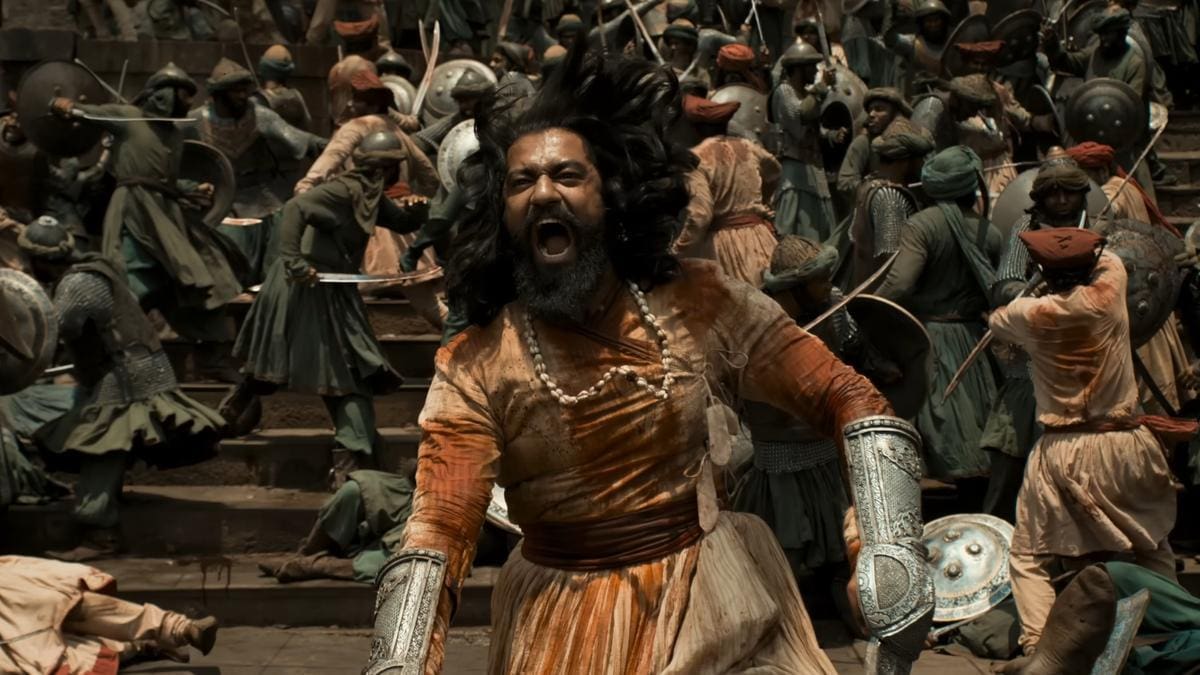
Chhaava joins the bandwagon of historically inaccurate, emotionally-charged and electrifying rhetoric Hindi films that demonize Mughals for everything that went wrong with the Indian society. Chhaava is not meant to be seen as a biopic more than an action flick. But even as an action film, it fails to deliver beyond top-volume yelling, hurriedly edited fight scenes and ill-plotted war strategy scenes with substandard dialogues unlikely of generals of the great Marathas to utter.
“Instead of dealing with a complex character as Sambhaji, it selectively chose nine years of his reign where he doesn’t age but Aurangzeb’s prosthetic balloons scene after scene,” says film director and Associate Professor of Media Science, Soumya Suvra Das. He adds, that there are blood-soaked robes, “several déjà vu moments from 300 and Game of Thrones” and fine cinematography but the film is “audaciously inaccurate.”
The current generation of internet crusaders and keyboard warriors resorting to films, memes, and web series for education also reflects the binarized audience of such content who consume it only to judge between this and that. Such uncritical thinking is “problematic”, he states.
When viewing the film from this simple idea to go beyond binaries, Chaava could have capitalized on several themes. But, the very opening narration declares that up until the Mughals, India was a land of peace. It automatically negates glorious epics written about the battles of Ashoka, Mauryan rulers, Deccan empires and other South Indian legends till the 16th century. Continuing with its suspension of logic, the film endorses the popularly growing Muslim demonic ruler vs pious Hindu demigod narrative. Self-proclaimed Hindutva historians and writers regularly complain that it is a conspiracy of Leftist historians to eliminate Hindus and glorify Muslim invaders. Such is the audience of films like Padmaavat, Tanhaji, and now Chhava, who rewrite mythology as history for political intentions, but this fun gets lost when smart citizens use social media to question such narratives than conform to them.
One such responsible post was of Kanad Sinha on Facebook that blasted the film for its erroneous portrayal of Sambhaji.
His post details facts on Sambhaji’s continued execution of Brahmans and his hatred of them, his cruelty and barbarity driving chief officers to conspire against him, finally leading to his torture and execution by Aurangzeb. Assistant Professor and writer at Kolkata’s Sanskrit College, he quotes the Fall of the Mughal Empire, underlining the tumultuous raids of “bargis” in Bengal and their “notorious practices of gangrape.” This is the history that the film does not talk about.
Borgis
“The film can work elsewhere but in Bengal where politicization of arts is less tolerated, the makers of Chaava could have done better,” says Rudrarup, a film writer in Bengali. He points out that this “overindulgence” in glorifying Marathas as spiritual warriors is deeply concerning for Bengalis. A similar sentiment resonated weeks back in early February when the Indian Army had announced its decision to rename Kolkata’s Fort William as Vijay Durg.
Renaming the city’s one of the most significant sites after a Maratha scratched a specific itch in Bengalis, almost “tone deaf” and “an attempt at recolonization, not decolonization". The move, symbolically meant to decolonize the British era seat of Eastern Command, was received more like rubbing salt on old wounds.
For the rest of India, Marathas are being rewritten in grandeur and righteousness, but rechristening the fort as Vijay Durg is seen as a political blunder by critics. A Times of India report also remarked how this renaming to Vijay Durg could be handing the state government Trinamool Congress “a potent electoral weapon” by the BJP itself.
To understand this, one must revisit the decade of Bengal history between 1742 and 1751 when “borgis” (Maratha raiders) looted Odisha, Hooghly, and other areas under Bengal en masse. Historian Surendra Nath Sen in 1928 in The Military System of the Marathas explained that “bargirs” originated from Persian, meaning “burden taker”. Maratha cavalrymen who were supplied horses by their owners were called “bargirs” or “borgis”. Mostly, they were soldiers fighting for armies sent on special missions to destabilize the Nawab of Bengal. Bargis under Raghoji Bhonsle and Peshwa Nana Saheb were ferociously unstoppable in raiding granaries, looting villages, destroying temples, castrating men and raping women, even enslaving them. Although Raghoji was driven away by the Nawab, Bengal was left battered after suffering immensely. The decade long invasion, appearing annually, had crippled the economy and left people traumatized intensely. Even today, Borgi raids remain a part of Bengali cultural memory, evidenced in the terrifying scare of Maratha invaders taking form of a lore, sung by Bengali mothers to frighten their disobedient children:
Khoka Ghumalo , Para Juralo , Bargi elo deshe , Bulbuli te dhan kheyeche , Khajna debo kishe? (Baby’s gone to sleep, neighbourhood is quiet, Bargi’s have attacked Bengal. The sparrows have destroyed our crop, how will we pay taxes?)
The constant “hit and run” tactic of the Marathas had grown so intrusive that even the English recovering from the storm of 1739 had requested permission from Alivardi Khan to construct a barrier for protection from invasion. The English, seated at Fort Williams, dug a long trench to keep the marauders from attacking their residential areas. Known as the Maratha Ditch, it was built to perimeter the city of Calcutta, and is existent even today after three centuries. As the city grew, the Maratha Ditch was excavated to make space for buildings. Although the trench was filled with garbage under the order of Marquess of Wellesley, it spans a 5 km trench in the form of a lane between Baghbazar and Entally, known as the Maratha Ditch Lane (connecting the Nandalal Bose Lane and Pasupati Bose Lanes parallel to each other).
It is naïve to expect an action movie to capture the complexities of a historically complex character like Sambhaji or Aurangzeb, but given the hype over its release, the makers could have focused more on other episodes of their lives too. One might contest that Kashmir Files, The Kerala Story, Hamaare Baarah, Article 370, and others are enough to understand that films are not the go-to media for learning. But the fact that a big section of people are baffled by the lack of Sambhaji’s mention in books is concerning.
The syllabus can be changed, names may be rechristened and titles might be wiped out. But those who understand the ongoing fight against the politics of knowledge creation have a bigger role to play than beyond social media posts. The fact that Aurangzeb had his greys, or Sambhaji wasn’t entirely a villain, are nothing in comparison to not acknowledging that under the Mughals the Indian economy was the second largest only after China. Besides their failure to find the fitting Hindutva warrior in Sambhaji, there are no reasons the directors could not have picked up a middle school history textbook before embarking on a grand project as Chaava.
Many other such facts that will be passed down as fables in a few years’ time must be brought to common public awareness, before we encounter more projects and plans for democratization of knowledge.
Maariyah Siddique is an academic based in Kolkata and Sumaiya Ali is an independent journalist based in Uttar Pradesh.